

Are your fruit trees under constant attack from squirrels and birds? You’re not alone. Many gardeners face the frustration of watching their hard work go to waste as these critters munch on their prized fruits.
Key Takeaways
- Identify the Threat: Squirrels and birds can cause significant damage to fruit trees, consuming fruits and impairing tree health through foraging behaviors.
- Utilize Physical Barriers: Installing tree mesh, hardware cloth, or metal flashing can effectively prevent squirrels and birds from accessing your fruit trees.
- Implement Netting Solutions: Lightweight bird netting or garden fabric can protect fruits while still allowing sunlight and rain to reach the trees.
- Apply Natural and Chemical Repellents: Use cayenne pepper, garlic spray, and essential oils as natural deterrents, while also considering ultrasonic repellers and commercial chemical repellents to minimize animal damage.
- Maintain Best Practices: Regular pruning, proper feeding, and adequate watering cultivate healthier trees, making them less susceptible to damage from birds and squirrels.
- Monitor and Adjust Strategies: Continually check barriers and deterrents, and be ready to change tactics as needed to effectively protect your fruit trees.
Understanding The Problem
Squirrels and birds often pose a significant challenge for gardeners, particularly those nurturing fruit trees. These animals can quickly consume fruits, leaving you frustrated after investing time and effort into your trees.
The Impact Of Squirrels On Fruit Trees
Squirrels can be relentless in their pursuit of ripe fruit. They use their sharp claws to climb and reach various heights. A single squirrel can strip multiple trees in one visit. They not only eat fruits but also damage branches while foraging. This behavior can lead to decreased harvests and weakened trees over time.
The Effect Of Birds On Fruit Trees
Birds can also be problematic, particularly species like robins and starlings. They often peck at fruit, leading to unsightly damage and loss. A flock of birds can descend on your trees, clearing them of fruit in just a few days. This rapid consumption can leave little for you to enjoy or sell. In addition, birds may further spread diseases among plants, compounding potential damage to your fruit trees.
Methods To Protect Fruit Trees
Protecting your fruit trees from squirrels and birds involves various effective strategies that ensure a bountiful harvest. Implementing one or more of these methods can significantly reduce the threats these animals pose.
Physical Barriers
Physical barriers create a strong line of defense for your fruit trees. You can install tree mesh or hardware cloth around the trunk to prevent squirrels from climbing. Choose a mesh with small openings, ideally no larger than half an inch, to keep them out.
You might also consider wrapping the lower sections of the tree with metal flashing to deter both squirrels and birds from gaining access. Ensure the barrier extends at least 4 feet high to prevent animals from jumping over.
Netting Solutions
Netting provides another effective shield. Use bird netting or garden fabric to cover branches bearing fruit. Opt for lightweight netting that allows sunlight and rain through while safeguarding against birds.
When applying netting, securely fasten it to the ground using heavy stones or stakes to prevent birds from getting underneath. Check the net regularly to ensure it hasn’t trapped any animals or insects.
Tree Guards And Fencing
Tree guards and fencing can protect your fruit trees more comprehensively. Tree guards, often made of plastic or cloth, wrap around the base of the tree and deter voles and rabbits. Look for guards at least 3 feet tall to block access effectively.
If you have a larger area to protect, installing a fence can provide excellent coverage. Use a fence that stands at least 6 feet high, as squirrels are proficient climbers. Bury the bottom of the fence a foot underground to prevent digging and tunneling by ground squirrels.
By implementing these methods, you can significantly enhance the protection of your fruit trees from squirrels and birds, ensuring that your hard work leads to a successful harvest.
Deterrents And Repellents
Effectively protecting your fruit trees requires a combination of natural and commercial solutions. Implementing these deterrents can minimize the damage caused by squirrels and birds.
Recommended Products
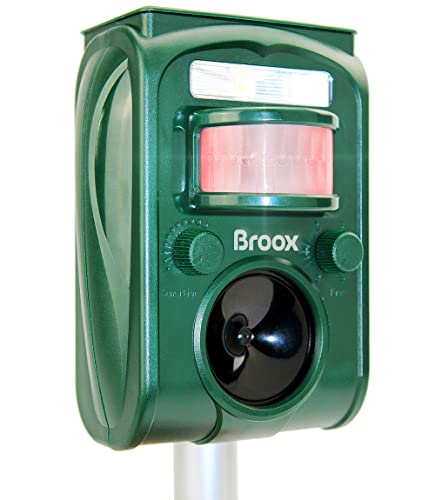
Do you have problem with unwanted animals in your area, garden, farm? Are they destroying your garden or eating the fruits? Do they bring many viruses to you? Let's start to use Broox deer Repellent to solve your problems! This effective device helps you to get rid of unwelcome animal visitors. It contains a motion detector system which detects movements and emits powerful ultrasonic sound and flashing LED light.

【Motion Senor Design】This animal repeller uses an advanced PIR motion detection system to identify movement, triggering powerful ultrasonic waves, a loud alarm, and flashing LED strobe light. This multi-layered defense effectively keeps unwanted animals out of your protected area.

Coverage & Motion-Activated Defense: Solar-powered ultrasonic repeller with PIR sensor covers 5000 sq. ft. at 120°. First use: press button, it emits ultrasound for 14–18 sec then enters standby—activates only when animals approach. Repels birds, squirrels, deer, skunks, cats, dogs, foxes, etc. Protects yard, garden, patio, farm, garage, and roof—no manual work needed.
Natural Repellents
- Cayenne Pepper: Sprinkling cayenne pepper on fruit can deter squirrels and birds. The strong smell repels animals, but it’s not harmful to your trees. Reapply after rain or heavy dew.
- Garlic Spray: Mixing garlic cloves with water creates a strong-smelling spray. Spray this mixture on the trees and surrounding area to ward off birds and squirrels.
- Essential Oils: Using essential oils like peppermint and citronella can repel these pests. Mix a few drops with water and spray it on your trees. The scent may deter wildlife while promoting a pleasant aroma in your garden.
- Human Hair or Pet Fur: Distributing human hair or fur from pets around your trees can confuse animals. The scent signals a human presence, discouraging squirrels and birds from approaching.
- Ultrasonic Repellers: These devices emit high-frequency sounds that deter squirrels and birds without bothering human ears. Place them near your fruit trees for continuous protection.
- Reflective Tape: Hanging reflective tape or old CDs can create visual disturbances. The reflections from sunlight will scare birds away while adding some unique decoration to your garden.
- Scare Tactics: Commercial scare devices like plastic owls, hawk decoys, or wind spinners can trick squirrels and birds into thinking predators are present. Move them around periodically so animals don’t get used to them.
- Chemical Repellents: Apply chemical repellents available at garden centers. These products deter animals through taste or smell. Always follow label instructions for safe application around edible fruits.
By utilizing these natural and commercial options, you can develop a comprehensive strategy to protect your fruit trees from squirrels and birds effectively.
Best Practices For Tree Care
Maintaining fruit trees requires consistent care to promote healthy growth and minimize vulnerabilities to squirrels and birds. Follow these best practices to keep your trees robust and less prone to damage.
Recommended Products
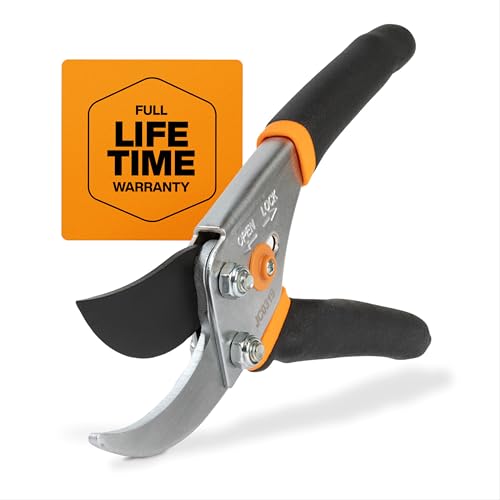
CLEAN CUTS FOR LIVE GROWTH: Bypass blade design is ideal for pruning delicate flower stems and green growth, helping reduce crushing and plant damage while cutting stems and small branches up to 5/8” in diameter
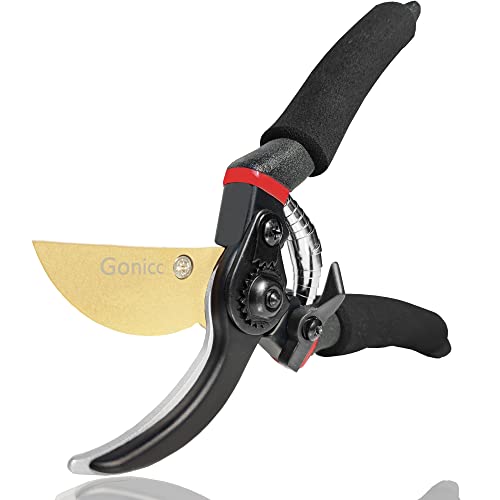
Drop-forged construction delivers exceptional durability and sturdiness for long-term heavy garden use.

IDEAL BRANCH TRIMMER: 28" Steel blade garden bypass lopper that glides through up to 1.5" thick branches for easy cuts; Works well for trimming tree branches to maintain your yard and garden, and to encourage overall plant health and appearance
Pruning Techniques
Pruning enhances air circulation and reduces overcrowding, making trees less appealing to pests.
- Remove Dead or Diseased Branches: Cut these branches to prevent disease spread and attract pests.
- Thin Out Canopies: Use clean, sharp pruning shears to remove excess growth. Aim for 20-30% canopy reduction to improve light penetration.
- Cut at the Right Time: Late winter or early spring are ideal for most fruit trees. Avoid heavy pruning during fruiting season to protect existing crops.
Proper Feeding And Watering
Sustaining nutrient-rich soil and consistent moisture strengthens trees, making them more resilient against animals.
- Use Organic Fertilizer: Apply balanced fertilizers in early spring. Look for options with equal ratios of nitrogen, phosphorus, and potassium, such as a 10-10-10 blend.
- Water Deeply and Infrequently: Give trees 1 inch of water per week during dry spells. Deep watering encourages strong root systems.
- Mulch Around Trees: Spread a 2-3 inch layer of mulch at the base. This helps retain moisture and suppresses weed growth. Avoid piling mulch directly against the trunk to prevent rot.
By implementing these practices, you enhance the health of your fruit trees and establish a natural barrier against squirrels and birds.
Conclusion
Protecting your fruit trees from squirrels and birds doesn’t have to be a daunting task. By combining physical barriers with natural deterrents you can create a safe haven for your precious fruits. Remember that consistent tree care plays a crucial role in keeping your trees healthy and less appealing to pests.
Stay vigilant and adjust your strategies as needed. With a little effort and creativity you can enjoy a bountiful harvest while keeping those pesky critters at bay. Happy gardening and may your fruit trees thrive!
Frequently Asked Questions
How do squirrels damage fruit trees?
Squirrels damage fruit trees by climbing and stripping the branches to eat the fruit. Their sharp claws allow them to easily navigate the tree, causing lost fruit and potential branch damage, which may weaken the tree over time.
What birds are known to harm fruit trees?
Common birds that harm fruit trees include robins and starlings. These birds can peck at the fruit, leading to unsightly damage and quickly depleting the harvest, while also increasing the risk of spreading diseases among plants.
What are some physical barriers to protect fruit trees?
Effective physical barriers include tree mesh or hardware cloth wrapped around the trunk and metal flashing at the base to deter both squirrels and birds. Using netting over fruit-bearing branches allows sunlight in while protecting the fruit.
Can natural repellents help safeguard fruit trees?
Yes, natural repellents like cayenne pepper, garlic spray, and essential oils such as peppermint can help deter squirrels and birds. Distributing human hair or pet fur around trees can also act as a deterrent.
What are some effective tree care practices to protect fruit trees?
To protect fruit trees, practice good tree care by properly pruning dead or diseased branches, enhancing air circulation, and ensuring adequate feeding and watering. Using organic fertilizers and mulching can promote healthy growth and reduce vulnerabilities to pests.
