

Have you ever wondered if those stunning Royal Raindrops crabapple trees drop fruit? You’re not alone! Many people love their vibrant blooms but aren’t sure what to expect when it comes to fruit production.
Key Takeaways
- Fruit Production: Royal Raindrops crabapple trees do produce small, round fruits that transition from green to yellowish-red, typically dropping in late summer or fall.
- Wildlife Attraction: The trees not only attract pollinators with their vibrant flowers but also provide food for birds and squirrels through their fruit.
- Growing Conditions: Optimal fruit production requires full sun, well-drained soil, and proper care, including regular watering and monitoring of tree health.
- Aesthetic Value: These trees are visually striking with deep burgundy foliage and stunning pink flowers, offering year-round beauty and interest in any landscape.
- Low Maintenance: Royal Raindrops crabapple trees are relatively easy to care for, thriving in various climates and requiring minimal upkeep once established.
- Pollination Importance: Successful fruit set is heavily influenced by pollination; ensuring a healthy population of pollinators can significantly enhance fruit production.
Overview of Royal Raindrops Crabapple Trees
Royal Raindrops crabapple trees stand out for their stunning pink flowers and attractive foliage. These trees grow to about 15 to 20 feet tall and spread 10 to 15 feet wide. They thrive in USDA hardiness zones 4 to 8, making them suitable for various climates.
You might wonder about their fruit production. Royal Raindrops typically produce small, round fruits that measure about half an inch in diameter. These fruits start green and transition to a yellowish-red as they mature. While the fruits are technically edible, they have a tart flavor that might not appeal to everyone.
When planted in a suitable environment, these trees can bear fruit abundantly. Key factors include proper sunlight, well-drained soil, and adequate watering. They flourish best in full sun, receiving at least six hours of sunlight daily.
Any fruit that drops to the ground during late summer or fall can attract wildlife like birds and squirrels. This fruit production adds visual interest to your garden while supporting local ecosystems. If you’re looking for a tree that combines beauty with fruiting potential, the Royal Raindrops crabapple is an excellent choice.
Recommended Products

Crabapple Tree 'Prairiefire' – Celebrated for its intense pink-red spring flowers, vibrant purple-tinged foliage, and small maroon fruit that lasts into winter

Crabapple Tree 'Prairiefire' – Features bold pinkish-red spring flowers, striking purplish new foliage, and small dark red fruit that persists through winter
Characteristics of Royal Raindrops Crabapple Trees
Royal Raindrops crabapple trees are known for their striking appearance and notable features. These aspects make them popular choices in gardens and landscapes.
Recommended Products

USDA Hardiness Zones: Typically Zones 4-8

Cold Hardy Zones: Suitable for USDA Hardiness Zones 4-8, tolerating cold temperatures and various climate conditions

Shipping Restrictions: Due to agricultural laws, we CANNOT SHIP TO CA, AZ, AK, or HI - orders will be cancelled if you ship to one of these states
Foliage and Flowers
Royal Raindrops crabapple trees showcase deep burgundy foliage that remains vibrant throughout the growing season. In spring, the trees burst with stunning pink flowers that create a beautiful contrast against the dark leaves. Each flower measures about 1 inch in diameter and attracts pollinators like bees and butterflies. The flowers bloom profusely, often filling the tree with clusters. This profusion not only enhances the visual appeal but also signals the approach of warmer months. After blooming, the foliage continues to provide color, shifting to rich hues of red and purple in autumn, ensuring year-round beauty.
Growth Habits
Royal Raindrops crabapple trees typically reach heights of 15 to 20 feet and widths of 10 to 15 feet. Their upright habit makes them ideal for small gardens or tight spaces. These trees thrive in full sun and well-drained soil, preferring regular watering to establish deep roots. Once established, they tolerate periods of drought. The branches exhibit a graceful, weeping form, which adds to their charm. Under optimal conditions, these trees can produce a substantial number of small, round fruits, attracting birds and other wildlife. Regular pruning helps maintain shape and encourages healthy growth, ensuring that these trees stay attractive and productive in your landscape.
Fruit Production in Crabapple Trees
Royal Raindrops crabapple trees do indeed produce fruit. These trees grow small, round fruits that change color from green to yellowish-red as they mature. While the fruits are technically edible, their tart flavor might not suit everyone’s taste. The fruits often attract various wildlife, adding to the richness of your garden.
Recommended Products
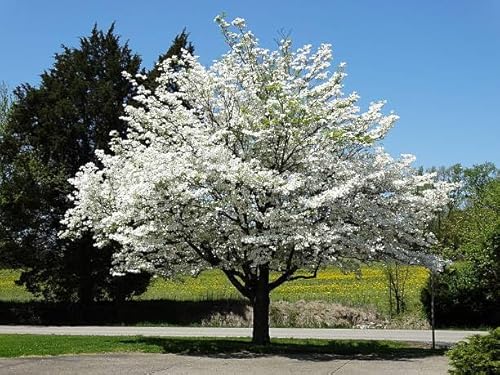
Ornamental Beauty in Spring and Fall: Grow your own stunning Crabapple tree from these Crabapple Tree Seeds. Enjoy a spectacular display of fragrant white blooms in spring, followed by attractive miniature Crabapple Fruits in the autumn that persist into winter, providing year-round visual interest.

Live Starter Plant: You will receive a well-rooted live plant approximately 5-8" tall, come in soil without pot, for planting in garden or container. The crabapple tree may arrive dormant during winter, with few or no leaves
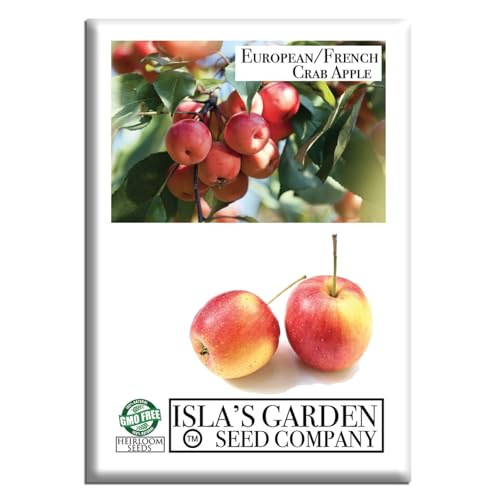
Scarification: Soak in water, let stand in water for 24 hours. Stratification: cold stratify for 60 -120 days. Germination: sow seed 1/4" deep, tamp the soil, mulch the seed bed.
Do Royal Raindrops Crabapple Trees Drop Fruit?
Yes, Royal Raindrops crabapple trees drop fruit, especially in optimal growing conditions. Tree health, pollination, and environmental factors contribute to the production. After flowering, a considerable amount of the fruit will mature and fall. This indicates the tree’s successful reproduction and provides food for birds and other wildlife. It also adds delightful visual interest to your landscape as the fruits weigh down the branches.
Factors Influencing Fruit Drop
Several factors influence whether Royal Raindrops crabapple trees drop their fruit:
- Pollination Success: Adequate pollination increases fruit set. If pollinators visit blooms effectively, the tree bears more apples.
- Weather Conditions: Frost during flowering or extreme temperatures can reduce fruit production.
- Tree Health: Healthy trees generally produce and retain more fruits. Proper watering, fertilization, and disease management are essential.
- Soil Quality: Well-drained, fertile soil supports robust fruiting. Poor soil can lead to decreased yields.
- Pruning Practices: Regular pruning fosters overall health and improves air circulation, which benefits fruit retention.
By understanding these factors, you can enhance the fruit production of your Royal Raindrops crabapple trees.
Benefits of Royal Raindrops Crabapple Trees
Royal Raindrops crabapple trees offer numerous advantages, enhancing both your landscape and local ecosystem.
Aesthetic Appeal
Royal Raindrops crabapple trees provide stunning visual interest in your yard. Their vibrant pink flowers bloom in spring, creating a beautiful display. The deep burgundy foliage remains attractive throughout the growing season and into fall.
Wildlife Attraction
Planting Royal Raindrops crabapple trees invites wildlife to your garden. The small fruits attract birds and squirrels, adding life to your outdoor space. Pollinators, such as bees, are drawn to the flowers, supporting biodiversity in your area.
Fruit Production
While you might not find the fruit of Royal Raindrops crabapple trees particularly palatable, they serve as food for wildlife. The tart fruits can provide nourishment for various animals, contributing to a balanced ecosystem.
Low Maintenance
Royal Raindrops crabapple trees are relatively low-maintenance. They thrive in full sun and well-drained soil, making them suitable for many landscapes. Properly caring for these trees includes monitoring soil quality and ensuring adequate watering.
Year-Round Interest
These trees offer year-round interest. In addition to vibrant flowers in spring and foliage in summer, their fruit and fall colors provide visual appeal through autumn. Even in winter, their shape and structure add character to the landscape.
Versatility
Royal Raindrops crabapple trees fit well in various settings. Whether used as a focal point in a garden, along walkways, or as part of a mixed border, they complement many design styles. Their compact size makes them suitable for small yards as well.
Recommended Practices
To maximize the benefits of Royal Raindrops crabapple trees, follow these practices:
- Plant in full sun to encourage flowering and fruit production.
- Ensure proper drainage; amend soil if necessary.
- Regularly prune to maintain shape and health.
These practices enhance your trees’ growth and fruit retention, providing a stunning and productive addition to your landscape.
Conclusion
Royal Raindrops crabapple trees bring a unique charm to your garden with their stunning blooms and vibrant foliage. While they do drop fruit, the tart flavor might not be for everyone. However, these fruits can attract delightful wildlife and enhance the ecosystem around your home.
By providing the right conditions and care, you can enjoy both the beauty and the benefits of these trees. Whether you’re looking to add visual interest or support local wildlife, the Royal Raindrops crabapple is a fantastic choice for any landscape. Happy gardening!
Frequently Asked Questions
What are Royal Raindrops crabapple trees known for?
Royal Raindrops crabapple trees are celebrated for their stunning pink blooms and deep burgundy foliage. They typically grow to about 15 to 20 feet tall and thrive in USDA hardiness zones 4 to 8. Their vibrant flowers attract pollinators, while their unique leaves provide visual interest throughout the growing season.
Do Royal Raindrops crabapple trees produce fruit?
Yes, Royal Raindrops crabapple trees produce small, round fruits that transition from green to yellowish-red when mature. While technically edible, the fruits are tart and may not appeal to everyone. These fruits contribute to the garden’s visual interest and support local wildlife.
Why do Royal Raindrops crabapple trees drop their fruit?
Royal Raindrops trees can drop their fruit, especially in optimal conditions. Factors affecting fruit drop include pollination success, tree health, weather, soil quality, and pruning practices. Healthy trees with proper care are more likely to retain their fruit.
How can I care for Royal Raindrops crabapple trees?
To care for Royal Raindrops trees, plant them in full sun with well-drained soil. Regular watering and pruning are essential for maintaining their shape and health. This care not only supports their growth but also encourages fruit production and blooming.
What wildlife is attracted to Royal Raindrops crabapple trees?
Royal Raindrops crabapple trees attract various wildlife, including birds and squirrels, thanks to their fruit and vibrant blooms. The tart fruits serve as a food source while the flowers provide nectar, fostering a balanced ecosystem in gardens and landscapes.
