

Have you ever wondered when those sweet, juicy mulberries will grace your garden? If you’re growing a mulberry tree or thinking about adding one to your yard, knowing when to expect fruit can make all the difference.
Key Takeaways
- Mulberry trees produce fruit primarily in late spring to early summer, with specific timelines varying by variety; Red Mulberries (Morus rubra) typically yield from May to June, while Black Mulberries (Morus nigra) fruit from June to July.
- Successful fruit production is influenced by several factors, including climate, soil quality, tree age, and chosen variety, making it essential to provide optimal growing conditions.
- Mulberry trees typically start bearing fruit around 3 to 5 years of age, transitioning from a seedling stage focused on root establishment to a mature tree stage characterized by fruit production.
- Proper care practices, such as planting in full sun, ensuring well-drained soil, and annual pruning, enhance growth and fruit yield.
- Harvest mulberries when they are dark and soft, check the tree daily during peak season, and use gentle techniques to avoid damaging the fruit.
- Fresh mulberries can be stored in the refrigerator or frozen for longer preservation, allowing for diverse uses in culinary applications such as salads, desserts, or preserves.
Understanding Mulberry Trees
Mulberry trees belong to the Moraceae family and are known for their sweet, edible fruits. These deciduous trees thrive in several climates, particularly in USDA hardiness zones 4 through 9.
Recommended Products

STEADY NUTRITION: Experience Wellspring Gardens’ 20-6-9 Slow-Release Fertilizer, designed to deliver consistent nutrients over time, promoting the development of strong, healthy plants and trees.

Produce abundant and vibrant fruit and blooms! This product works by strengthening your plant's roots to increase nutrient uptake… enabling it to bloom and produce like you've never seen!
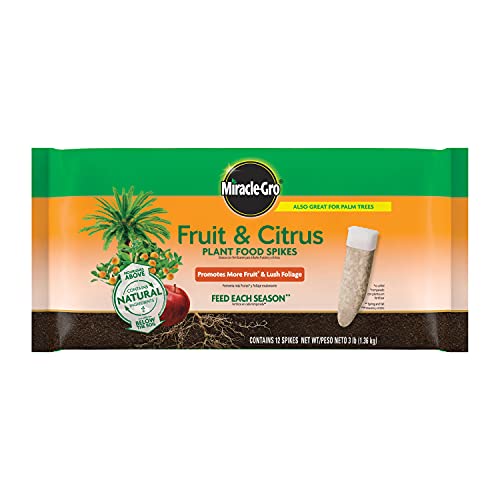
FORMULATED FOR CITRUS AND FRUIT TREES: Use these citrus fertilizer spikes on apple, orange, lemon, lime, and avocado trees; this formula is also great for feeding palm trees
Growth Characteristics
Mulberry trees can grow between 30 to 50 feet tall. They feature broad, dark green leaves that provide excellent shade. Despite their height, they develop a wide, spreading form.
Fruit Production Timeline
Mulberry trees typically produce fruit in late spring to early summer, depending on the species and climate conditions. Varieties such as the Red Mulberry (Morus rubra) fruit around May to June, while the Black Mulberry (Morus nigra) bears fruit from June to July.
Factors Influencing Fruiting
Several factors influence when mulberry trees produce fruit:
- Climate: Warmer climates encourage earlier fruiting.
- Soil Quality: Well-drained, fertile soil promotes healthy growth.
- Tree Age: Younger trees may take four to five years to produce fruit, while mature trees yield fruit consistently.
Practical Growing Tips
To encourage optimal fruit production, consider these tips:
- Location: Plant in full sun, ensuring at least six hours of direct sunlight daily.
- Watering: Keep the soil consistently moist but not waterlogged.
- Pruning: Prune trees annually during the dormant season to enhance air circulation and fruit yield.
Anticipating Fruit Harvest
Expect fruits to ripen over a few weeks. Harvest mulberries when they turn dark and have a soft texture.
By knowing these characteristics and growing practices, you can enjoy a bountiful mulberry harvest in your garden.
Growth Stages of Mulberry Trees
Understanding the growth stages of mulberry trees helps you anticipate when to expect fruit production. Mulberry trees progress through distinct stages as they develop.
Seedling Stage
During the seedling stage, mulberry trees focus on establishing their root system. This stage lasts from germination to about 2 years old.
- Germination: Seeds sprout within 14 to 30 days in warm, moist conditions.
- Growth: Seedlings thrive in rich, well-drained soil with consistent moisture.
- Light: Full sun is crucial as it promotes healthy growth and prepares the tree for later fruiting.
- Care: Monitor for pests and diseases regularly, as young trees are vulnerable.
Mature Tree Stage
The mature tree stage begins at around 3 to 5 years old, when your mulberry tree starts producing fruit.
- Height: Trees can reach 30 to 50 feet tall, depending on the variety.
- Fruiting Period: Expect fruit in late spring to early summer. Red mulberries typically fruit from May to June, while Black mulberries follow from June to July.
- Care: Regular pruning encourages healthy growth and higher yields. Aim to prune in late winter before new growth begins.
- Harvesting: Fruits ripen when they become dark and soft, signaling they’re ready to pick.
Each growth stage contributes to the overall health and productivity of your mulberry tree. By providing proper care during these stages, you enhance your chances of enjoying a fruitful harvest.
When Do Mulberry Trees Produce Fruit?
Mulberry trees typically produce fruit from late spring to early summer. Knowing the exact timing can help you prepare for harvesting those sweet, juicy berries.
Factors Affecting Fruit Production
Several factors influence when mulberries produce fruit. Consider these key aspects:
- Climate: Mulberries thrive in warm climates. Trees in regions with long, hot summers often yield fruit earlier than those in cooler areas.
- Soil Quality: Well-draining, nutrient-rich soil promotes healthy growth. Conduct a soil test to ensure pH levels are suitable, ideally between 6.0 and 7.0.
- Tree Age: Younger trees may take several years to bear fruit. Expect fruit production to start around 3 to 5 years of age.
- Variety: Different mulberry varieties mature at different rates. For instance, Red Mulberries typically fruit in May to June, while Black Mulberries fruit from June to July.
Typical Fruit Production Timeline
Here’s a breakdown of the mulberry fruit production timeline:
| Age of Tree | Stage | Timeline |
|---|---|---|
| 0-2 Years | Seedling | Establishing roots |
| 3-5 Years | Mature Tree | Starts producing fruit |
| 5+ Years | Full Productivity | Peaks, with abundant fruit |
This timeline shows how fruiting begins slowly but increases as the tree matures. Regular care and optimal conditions contribute to a better yield. Monitor your tree, adjust its care based on environmental needs, and enjoy the harvest when the berries are dark and soft.
Harvesting Mulberries
Harvesting mulberries is a rewarding activity that allows you to enjoy the fruits of your labor. Knowing when and how to pick them ensures maximum flavor and quality.
Recommended Products

Better for different produce : You will get 4 sized fridge organizers and 4 matched colanders that could be used in the container or separate. Size from 0.32 L to 2.7 L [ 0.34 - 2.85 qt ]. Suited for berries, fruits, vegetables, meats

Keep Berries Fresher, Longer: The ventilated, removable inner basket promotes optimal air circulation for freshness – extending the time for delicious snacking and reducing food waste

Airtight seal keeps food fresh: Keep your deli meats, cheeses, and bacon fresh longer with an airtight silicone seal and leak-resistant clasp. The ProKeeper Split Deli Food Storage Container holds up to 1.45 quarts of food or 1lb of bacon.
Best Practices for Harvesting
- Pick at the Right Time: Harvest mulberries when they are fully ripe, dark, and soft to the touch. Unripe berries taste sour and lack flavor.
- Check Daily: Check your tree every day during the peak season. Berries ripen quickly, and timely harvesting prevents them from overripening or falling to the ground.
- Use Gentle Techniques: Gently twist or pull the berries from the branch to avoid damaging the tree or other fruit. Use a container to catch the berries as you harvest.
- Work Early or Late: Harvest during the cooler parts of the day, either early morning or late afternoon. This practice reduces the likelihood of heat-related spoilage.
- Store Properly: Store harvested mulberries in the refrigerator to keep them fresh. Use a breathable container, like a paper bag or a cardboard box, to avoid moisture buildup. Fresh mulberries can last for 3 to 5 days.
- Freeze for Later: For long-term storage, freeze mulberries. Spread them on a baking sheet in a single layer, freeze until firm, and transfer to a freezer-safe bag or container. Frozen mulberries maintain quality for up to 6 months.
- Enjoy Fresh or Cooked: Use fresh mulberries in salads, smoothies, or desserts. Cooked mulberries make excellent jams, jellies, or syrups. Their sweet, tart flavor enhances both sweet and savory dishes.
Harvesting and utilizing mulberries opens up numerous culinary possibilities while enjoying the satisfaction of gathering homegrown fruit.
Conclusion
Knowing when your mulberry tree will produce fruit can make all the difference in your gardening experience. With a little patience and proper care you’ll soon enjoy the sweet rewards of your efforts.
Remember to keep an eye on the ripening process and harvest those dark soft berries at just the right moment. Whether you’re enjoying them fresh or using them in your favorite recipes harvesting mulberries adds a delightful touch to your garden.
So get ready to relish the fruits of your labor and savor the joy that comes with growing your own mulberries. Happy gardening!
Frequently Asked Questions
When do mulberries typically ripen?
Mulberries usually ripen from late spring to early summer. Specifically, Red Mulberries fruit from May to June, while Black Mulberries ripen between June and July.
What factors influence mulberry fruit production?
Several factors affect fruit production in mulberry trees, including climate, soil quality, tree age, and variety. Warm climates can lead to earlier fruiting, while well-draining, nutrient-rich soil is essential for optimal growth.
How tall do mulberry trees grow?
Mulberry trees can grow between 30 to 50 feet tall. They are deciduous trees known for their broad, dark green leaves that provide excellent shade.
How can I ensure optimal growth for my mulberry tree?
To promote optimal growth, plant your mulberry tree in full sun, maintain consistent soil moisture, and perform annual pruning. Regular care enhances health and productivity.
When does a mulberry tree start producing fruit?
Mulberry trees generally begin producing fruit around 3 to 5 years of age. Proper care during the earlier stages helps support earlier fruiting.
How should I harvest mulberries?
Harvest mulberries when they are fully ripe, dark, and soft. It’s best to pick them during cooler parts of the day and check the tree daily to prevent overripening.
What should I do with harvested mulberries?
Fresh mulberries can be enjoyed in various dishes, while freezing them allows for long-term storage. Proper storage methods help maintain their freshness for future use.
