

Have you ever planted cucamelon seeds and found yourself eagerly waiting for signs of life? Waiting for those tiny seeds to sprout can feel like watching a pot that never boils. But how long should you really expect to wait before those cucamelon seeds start to germinate?
Imagine this: You’ve carefully planted your cucamelon seeds, watered them diligently, and placed them in the perfect spot with just the right amount of sunlight. Days pass, and you begin to wonder if you did everything right. How long does it take for these elusive seeds to finally awaken?
Key Takeaways
- Cucamelon seeds typically take about 7-14 days to germinate under optimal conditions.
- Factors like soil temperature, moisture levels, light exposure, and seed quality influence the germination time of cucamelon seeds.
- Adequate warmth (70-85°F) and consistent moisture are crucial for successful cucamelon seed germination.
- Proper soil preparation with well-draining soil rich in organic matter is essential for healthy plant growth.
- Watering techniques should focus on keeping the soil moist but not waterlogged to prevent issues like root rot and fungal diseases.
Understanding Cucamelon Seeds Germination
When it comes to understanding how long cucamelon seeds take to germinate, several factors influence the germination time. Let’s delve into these factors and explore the typical timeline for cucamelon seeds germination.
Factors Influencing Germination Time
To determine how long it takes for your cucamelon seeds to sprout, consider these critical factors:
- Soil Temperature: Cucamelon seeds thrive in warm soil temperatures between 70-85°F (21-29°C). Warmer soil speeds up the germination process.
- Moisture Levels: Adequate moisture is essential for seed germination. Ensure that the soil is consistently moist but not waterlogged to support healthy sprouting.
- Light Exposure: While cucamelon seeds don’t require light to germinate, providing indirect light can enhance the process once they start growing.
- Seed Quality: Using fresh, high-quality cucamelon seeds increases the likelihood of successful and timely germination.
Typical Germination Timeline
On average, cucamelon seeds typically take about 7-14 days to germinate under optimal conditions. However, this timeframe can vary based on the factors mentioned above.
Preparing for Cucamelon Planting
To ensure successful cucamelon planting, it’s crucial to prepare adequately. Here are essential tips to get you ready:
Recommended Products
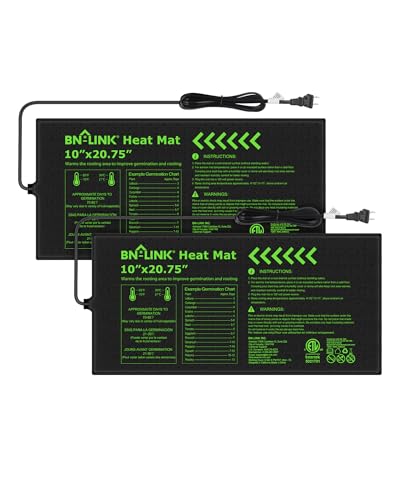
IDEAL GERMINATION TEMPERATURE: The BN-LINK seedling heat mats for seed starting helps maintain temperatures around 70°F to 85°F, the optimal range for seed germination, cutting propagation, and healthy seedling growth. Achieve faster germination and higher growth rates with seed heating mat.

✓ Consistent & Uniform Heating: BN-LINK seedling heat mat for seed starting maintains temperatures around 70–85℉, creating ideal conditions for seed starter and cutting propagation, speeding up seed germination and accelerating seedlings growth. The advanced heating film with double insulation layers ensures even heat and prevents scorching roots.
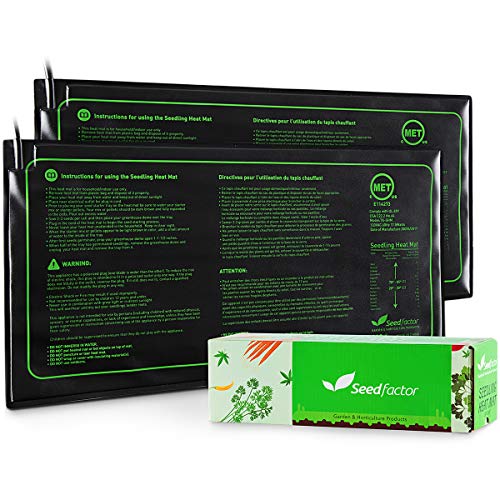
MET safety certified;Comply with UL 499;CSA C22.2 No.64
Optimal Soil Conditions
For cucamelon seeds to germinate effectively, you’ll need well-draining soil rich in organic matter. Aim for a pH level between 6 and 7, which is slightly acidic to neutral. Loose, friable soil allows seeds to develop roots easily.
Temperature and Moisture Requirements
Maintain a consistent soil temperature of around 70-85°F (21-29°C) for optimal germination. Keep the soil consistently moist but not waterlogged; soggy conditions can hinder seed development. Consider using a heat mat or placing the seeds in a warm location to ensure proper warmth levels.
By focusing on these factors when preparing for cucamelon planting, you set the stage for successful seed germination and healthy plant growth.
Caring for Germinating Cucamelon Seeds
When caring for germinating cucamelon seeds, it’s essential to pay attention to watering techniques and common germination issues to ensure successful seedling growth.
Recommended Products

IDEAL GERMINATION TEMPERATURE: The BN-LINK seedling heat mats for seed starting helps maintain temperatures around 70°F to 85°F, the optimal range for seed germination, cutting propagation, and healthy seedling growth. Achieve faster germination and higher growth rates with seed heating mat.

Reliable Results: The VIVOSUN professional heat mat maintains optimal temperatures around 68-86℉ (20-30℃), perfect for Seedling start and cutting propagation; Made from durable PVC material, it's designed to last

A heating mat designed to accelerate and improve the success of seed starting and germination.
Watering Techniques for Seedlings
For healthy cucamelon seedlings, water them consistently but avoid overwatering. Keep the soil moist but not waterlogged. A good practice is to water the seedlings in the morning to allow excess moisture to evaporate during the day. Ensure that the soil drains well to prevent root rot and fungal diseases.
To check if your cucamelon seedlings need watering, insert your finger into the soil up to an inch deep. If it feels dry, it’s time to water. Use a spray bottle or a gentle watering can with a fine nozzle to avoid disturbing the delicate roots of the seedlings.
Overwatering can lead to damping-off disease, where seedlings wilt and die due to fungal infections in overly wet conditions. To prevent this, ensure proper drainage in your planting containers and avoid keeping the soil constantly soggy.
Dealing With Common Germination Issues
If you encounter slow or poor germination of cucamelon seeds, several factors could be at play. One common issue is planting seeds too deeply in the soil. Cucamelon seeds should be planted shallowly—around 1/2 inch deep—to facilitate sprouting.
Insufficient warmth can also hinder germination. Ensure that your seeds are kept in a warm location with temperatures around 70-80°F (21-27°C). You can use a heat mat specifically designed for seed starting to provide consistent warmth for optimal germination.
Another potential problem is inadequate light exposure. Cucamelon seeds require ample sunlight or artificial grow lights if natural light is limited. Position your seed trays near a sunny window or use grow lights placed 2-4 inches above the seedlings for 12-16 hours daily.
By addressing these common issues promptly and adjusting your care routine accordingly, you’ll increase the chances of successful germination and healthy growth of your cucamelon seedlings.
Conclusion
You’ve now learned about the exciting journey of planting and germinating cucamelon seeds. Understanding the key factors influencing germination time, such as soil temperature, moisture levels, light exposure, and seed quality, is crucial for successful growth. Remember to create optimal conditions by preparing your soil well and maintaining the right environment. By focusing on proper care during germination, including watering techniques and addressing common issues promptly, you’ll set the stage for healthy cucamelon seedlings. Enjoy this rewarding process of nurturing your cucamelon plants from seed to harvest!
Frequently Asked Questions
How long does it take for cucamelon seeds to germinate?
Cucamelon seeds typically germinate within 7-14 days under optimal conditions, considering factors like soil temperature, moisture levels, light exposure, and seed quality.
What are the key factors influencing cucamelon seed germination?
Soil temperature, moisture levels, light exposure, and seed quality play crucial roles in determining the germination time of cucamelon seeds.
How can I prepare for planting cucamelon seeds successfully?
To prepare for planting cucamelon seeds successfully, ensure optimal soil conditions, maintain suitable temperature and moisture levels, and focus on creating an environment conducive to seed germination and healthy plant growth.
What should I keep in mind while caring for germinating cucamelon seeds?
When caring for germinating cucamelon seeds, pay attention to proper watering techniques to prevent overwatering. Additionally, monitor planting depth, warmth levels, and light exposure as these factors can impact seedling growth significantly.
