

Selecting the right fruit trees for the District of Columbia can enhance your urban garden and provide fresh produce. Trees such as apple, pear, and cherry thrive in this region, making them excellent choices for local gardeners.
Local Climate and Soil for Fruit Trees
The climate in the District of Columbia is classified as humid subtropical, characterized by hot summers and mild winters. This climate allows for a variety of fruit trees to flourish, but understanding soil conditions is equally important. The soil in urban areas can be compacted and may lack essential nutrients.
To ensure successful growth, consider the following soil types:
Sandy soil for good drainage
Clay soil for moisture retention
Loamy soil for balanced nutrients
Conduct a soil test to determine pH levels and nutrient content. Adjustments may be necessary to create optimal conditions for your chosen fruit trees.
Best Fruit Trees for Urban Environments
In urban environments like the District of Columbia, selecting the right fruit trees is essential for successful planting and harvesting. This section highlights the best fruit trees suited for city landscapes, taking into account factors such as space, climate, and maintenance needs. Discover which varieties thrive in urban settings and how to maximize your gardening efforts.
Several fruit trees are well-suited for urban environments in the District of Columbia. Each tree has specific requirements and benefits.
| Fruit Tree | Best Varieties | Pollination Needs | Growth Habit |
|---|---|---|---|
| Apple | Honeycrisp, Fuji | Self-pollinating | Upright |
| Pear | Bartlett, Bosc | Cross-pollinating | Spreading |
| Cherry | Bing, Rainier | Cross-pollinating | Upright |
| Peach | Elberta, Redhaven | Self-pollinating | Spreading |
These trees not only yield delicious fruit but also enhance the aesthetic appeal of your garden.
Recommended Products


Successful Strategies for Urban Fruit Trees
Urban gardening in the District of Columbia presents unique challenges and opportunities for growing fruit trees. Understanding the best strategies for planting and maintaining these trees can lead to fruitful yields even in a bustling city environment. This section explores effective techniques tailored for urban settings to ensure your fruit trees thrive.
Planting fruit trees in an urban setting requires specific strategies to ensure their success. Consider the following tips:
Choose the right location: Select a spot with at least six hours of sunlight daily. Avoid shaded areas from buildings or other trees.
Space trees properly: Allow adequate space between trees to promote air circulation and prevent disease.
Water consistently: Newly planted trees require regular watering, especially during dry spells. A deep watering method is recommended.
Mulch around the base: Apply organic mulch to retain moisture and suppress weeds.
Implementing these practices will help your fruit trees thrive in an urban environment.
Recommended Products

🌱 4 Unique Fruit Bonsai Varieties: Includes 40 total seeds: 10 Papaya, 10 Peach, 10 Cherry, and 10 Banana seeds. A fun and unique collection for growing miniature fruit trees and experimenting with bonsai growing techniques.
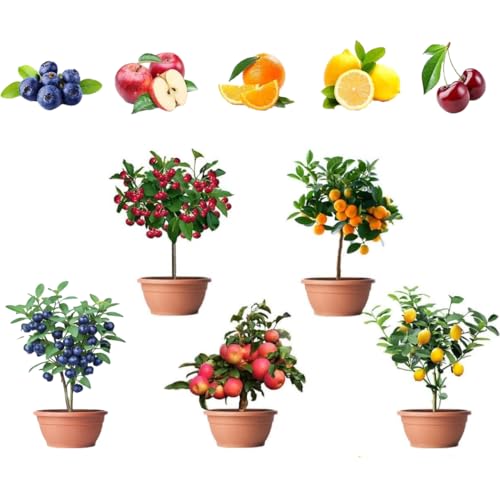
Variety Pack of 5 Fruits: Includes 40 Lemon seeds, 40 Orange seeds, 40 Apple seeds, 20 Cherry seeds, and 20 Blueberry seeds for a colorful and diverse home garden

4 kinds of the most popular fruits, individually packaged, 50pcs Lemon seeds 50pcs Cherry seeds 50pcs Orange seeds 50pcs Apple seeds Fresh seeds, all fruit seeds are packed in tear and moisture resistant zipper sealed bags for your long term storage.
Effective Pest and Disease Management for Fruit Trees
Managing pests and diseases is crucial for the health and productivity of fruit trees in the District of Columbia. Urban environments present unique challenges, but with the right strategies, gardeners can protect their trees from common threats. This section explores effective methods to ensure your fruit trees thrive despite potential pest and disease issues.
Urban gardens can attract various pests and diseases that threaten fruit trees. Regular monitoring is essential for early detection.
Common pests include:
Aphids
Spider mites
Japanese beetles
To manage these pests:
Use insecticidal soap or neem oil as a natural remedy.
Introduce beneficial insects like ladybugs for biological control.
Diseases such as powdery mildew and root rot can also affect your trees. Ensure proper spacing and airflow to minimize disease risk.
Recommended Products


DAILY CLEANSING BAR – Handmade solid soap designed for everyday external cleansing during bathing and showering.
Seasonal Strategies for Fruit Tree Health
Maintaining the health of fruit trees in the District of Columbia requires a seasonal approach tailored to the region’s unique climate and soil conditions. Understanding the specific needs of these trees throughout the year can significantly enhance their growth and fruit production. This section outlines effective strategies to ensure your fruit trees thrive in an urban environment.
Seasonal care is crucial for maintaining healthy fruit trees. Each season presents unique challenges and opportunities.
Fertilization Strategies for Urban Fruit Trees
Fertilizing urban fruit trees in the District of Columbia is essential for promoting healthy growth and maximizing fruit production. Given the unique challenges of urban environments, understanding effective fertilization strategies can help ensure that these trees thrive despite limited space and soil conditions. This section explores tailored approaches to fertilization that cater specifically to urban fruit trees.
Fertilize with a balanced fertilizer to promote growth.
Prune dead or damaged branches to encourage new growth.
Pest and Disease Management for Summer
Managing pests and diseases is crucial for the health of fruit trees during the hot summer months in the District of Columbia. Understanding common threats and implementing effective control measures can help ensure a bountiful harvest. This section will explore practical strategies for maintaining the vitality of your urban fruit trees amidst summer challenges.
Monitor for pests and diseases.
Water deeply during dry spells to support fruit development.
Autumn Maintenance for Fruit Trees
As autumn approaches in the District of Columbia, it’s essential to focus on the maintenance of fruit trees to ensure their health and productivity. This season presents unique challenges and opportunities for urban gardeners, making it crucial to implement specific care strategies that prepare trees for the winter months ahead. Proper autumn maintenance can significantly enhance fruit yield in the following year.
Harvest ripe fruit and clean up fallen debris to prevent disease.
Apply mulch to protect roots during winter.
Protecting Young Trees from Frost
Frost can pose a significant threat to young fruit trees in the District of Columbia, particularly during the unpredictable early spring months. Understanding how to protect these vulnerable trees is essential for ensuring their healthy growth and fruit production. This section explores effective strategies for safeguarding young trees against frost damage.
Wrap young trees with burlap to shield against frost.
Inspect for any damage from snow or ice.
Regular seasonal care will ensure your fruit trees remain healthy and productive.
Urban Gardening Resources in DC
Urban gardening in the District of Columbia presents unique opportunities and challenges for local residents. With a variety of resources available, aspiring gardeners can access valuable information on selecting the right fruit trees and optimizing their planting strategies. This section highlights essential tools and organizations that support urban gardening efforts in the city.
Local resources can provide valuable information and support for urban gardeners. Consider the following:
Local gardening clubs: Join for community support and shared resources.
Extension services: Utilize services offered by local universities for expert advice.
Online forums: Engage with other urban gardeners for tips and experiences.
These resources can enhance your knowledge and help you navigate the challenges of urban gardening.
