

Do Mulberry Trees Grow In California?
California is a diverse state with a variety of climates and growing conditions, so it is no surprise that many people want to know if mulberry trees can grow in the Golden State. Mulberry trees are attractive, fast-growing trees that produce delicious fruit. Knowing whether they can grow in California can help gardeners decide what types of fruit trees to plant in their backyard orchard. This article will discuss the climate requirements for mulberry trees and where they are most likely to thrive in California.
Yes, Mulberry Trees do grow in California. They are especially abundant in the Central Valley and the Sierra Nevada foothills.
Climate Conditions for Mulberry Trees to Grow in California
Mulberry trees need warm climates to thrive in California. They are best suited for areas with mild winters and hot summers. The ideal temperature range for mulberry trees is between 40°F and 85°F. Additionally, they require full sun exposure, at least six hours a day, and well-draining soil conditions. They are drought tolerant once established but need regular watering during the first two years of growth to remain healthy. Mulberry trees are also susceptible to frost damage, so it’s important to protect them when temperatures drop below freezing. Pruning and training should be done in winter when the tree is dormant.
Overall, mulberry trees need a warm climate with mild winters and hot summers to grow successfully in California. They require full sun exposure, moist soil conditions, and protection from freezing temperatures. Regular watering during the first two years of growth is essential for healthy tree development, as well as pruning and training during winter dormancy periods.
Varieties of Mulberry Trees Growing in California
Mulberries are a delectable fruit that is popular in many parts of the world. In California, there are a variety of mulberry trees that can be found growing. The most commonly found varieties are the White Mulberry (Morus alba), which is native to California, and the Texas Mulberry (Morus microphylla).
The White Mulberry tree grows up to 60 feet tall and has creamy white or pinkish-white flowers. Its dark green leaves turn yellow in fall, and its fruits are dark purple when ripe. The Texas Mulberry tree can grow up to 20 feet tall with bright green leaves that turn yellow in fall. Its fruits are small and reddish-purple when ripe.
Other varieties of mulberry trees that can be found growing in California include the Weeping Mulberry (Morus alba ‘pendula’), which has an elegant weeping form and white flowers; the Black Mulberry (Morus nigra), which has oval shaped leaves; and the Himalayan Mulberry (Morus serrata), which has fuzzy leaves with red berries that ripen in August.
No matter which variety you choose, mulberries are a delightful addition to any garden or orchard. They make excellent jams, pies, tarts, syrups, and more! Plus, they make for a beautiful addition to your landscape with their lush foliage and tasty fruits.
For best results when growing mulberries in California, select varieties that are suited to your local climate. Plant them on well-drained soil in an area with at least six hours of direct sunlight each day. Keep them watered regularly during dry spells and prune them as needed for shape and size control. With proper care, these trees will provide you with an abundance of delicious fruit for years to come!
Benefits of Planting Mulberry Trees in California
There are several benefits to planting mulberry trees in California. These trees are known for their hardiness and longevity, as well as their ability to tolerate a wide range of climates and soils. In addition to providing a natural source of shade and food, mulberry trees also provide a variety of other benefits.
Mulberry trees are able to help reduce air pollution, absorb carbon dioxide, and provide habitats for birds and other wildlife. Additionally, they can help stabilize the soil around them and reduce erosion. The deep roots of these trees also help promote water infiltration into the soil, which can improve water quality in nearby streams and rivers.
Mulberry trees are also valued for their beautiful white flowers that bloom every spring. These flowers have a pleasant scent that can attract pollinators such as bees, butterflies, and hummingbirds. Furthermore, the sweet fruit produced by these trees is an excellent source of food for both humans and animals alike.
In addition to all of these benefits, mulberry trees are an excellent choice for those seeking a low-maintenance tree with few pest problems in California. These trees require very little care once established and can survive many years with minimal pruning or maintenance required.
Overall, there are many advantages to planting mulberry trees in California due to their hardiness and long lifespan along with the many environmental benefits they provide. Whether you’re looking for shade or wanting to attract pollinators to your garden area, mulberry trees make an ideal option for any home or garden setting in the state of California.
How Long Does It Take for a Mulberry Tree to Bear Fruit in California?
Mulberry trees are popular in California due to their ability to produce a large amount of fruit. Most varieties of mulberry trees have the potential to bear fruit within three years from planting, depending on the environment and care it receives. Generally, well-maintained mulberry trees can produce a full crop of ripe fruit within seven years.
Though mulberries may ripen quickly, they require a long growing season for the tree to become established and begin bearing fruit. In California, where temperatures are mild year-round and rain is abundant, this process often takes less time than it would in other regions. The tree is able to remain active throughout the entire growing season, allowing it to quickly produce fruit.
Once the tree has become established and begins producing fruit, it should be pruned annually to promote healthy growth of shoots and branches that will bear more fruit in subsequent years. Pruning also encourages the development of larger fruits with more intense flavors. Proper fertilization can also help enhance flavor and increase yields; however, too much fertilizer can actually reduce yields.
Mulberries are known for their sweet flavor and are popular in a variety of dishes from jams and jellies to beverages and desserts. For those looking for an easy-to-grow fruit tree with an abundance of sweet berries, a mulberry tree is an ideal choice for any California garden. With proper care and maintenance, you can expect your mulberry tree to start bearing delicious fruits within three to seven years!

What Is the Best Soil Type for Growing Mulberry Trees in California?
Growing mulberry trees in California can be beneficial for both commercial and home gardeners. The climate of California is well-suited for the cultivation of different varieties of mulberry trees, with some species suitable for growing in areas that receive a large amount of rainfall and others that can thrive even in drier climates. However, although the climate may be suitable, it is important to ensure that the right soil type is chosen when planting a mulberry tree.
The best soil type for growing mulberry trees in California is a well-drained sandy loam or loamy soil. This type of soil contains a mix of sand and silt particles that allow water to drain away quickly while still providing enough nutrients and organic matter to support healthy growth. A slightly acidic pH balance (between 6.0 and 7.0) is also ideal, as this will help to ensure optimal absorption of nutrients from the soil by the roots of the tree.
When planting a mulberry tree, it is also important to add plenty of organic matter such as compost or aged manure to the soil before planting. This will help improve drainage and increase nutrient levels in the soil, which can help promote healthy growth in the tree over time. Additionally, mulch should be applied around the base of the tree after planting to help maintain moisture levels in the soil and prevent weed growth around its base.
By ensuring that these steps are taken when planting a mulberry tree, gardeners can ensure that their trees will have all they need to thrive in California’s climate and soils. With proper care and attention, these trees can then provide years of enjoyment by producing delicious fruit each year for harvesting!
What Is the Optimal Temperature Range for Growing Mulberry Trees in California?
Mulberry trees are popularly grown in California due to their adaptability and long-term sustainability. In order to maximize the growth and health of these trees, they must be grown in an optimal temperature range. Generally speaking, mulberry trees thrive when the temperatures are between 40-90 degrees Fahrenheit.
When temperatures are outside of this range, mulberry trees can become stressed, which can lead to decreased growth and health. During periods of extreme cold or heat, mulberry trees need protection from the elements. This can include using burlap or other coverings to insulate them from the elements during winter months.
In addition to providing protection from extreme temperatures, mulberry trees need regular watering throughout their growing season. Mulberries prefer well-drained soil that is kept consistently moist but not waterlogged. If the soil becomes too dry or wet, it can cause stress on the tree and reduce fruit production.
Overall, the optimal temperature range for growing mulberry trees in California is between 40-90 degrees Fahrenheit. With proper care and protection from extreme temperatures, these hardy trees can thrive for many years in California’s diverse climate.
Location
When selecting a location for your mulberry tree, choose a spot that is sunny and well-drained. The soil should be of good quality and slightly acidic. Mulberry trees need at least six hours of direct sunlight each day.
Planting
It’s best to plant mulberry trees in the early spring or late winter. Dig a hole twice as wide as the root ball and just as deep. Place the tree in the hole and backfill with soil, tamping down lightly to remove any air pockets. Water deeply to settle the soil around the roots.
Recommended Products

ERGONOMIC & EFFORT-SAVING DESIGN – This sod plugger / bulb planter features a comfortable grip handle with a one-button soil release mechanism, making planting, transplanting, and soil discharge easier and faster, while reducing hand fatigue.

GARDEN GURU DIBBER PLANTER - Easily and efficiently plant your bulbs and flowers. Classic Design with High Carbon Steel & a Comfortable Wood Carved Handle. Great for tulips, daffodils, and dahlias!

WHAT YOU GET - 1 * Garden Hand Dibber. Our garden hand dibbers are made by traditional manual process and can be used for more than 10 years. The more the wooden handle and stainless steel will be used, the smoother it will be. This tool is very suitable for planting roots and seeds in holes.
Watering
Mulberry trees need plenty of water, especially during hot weather. They should be watered deeply once or twice a week in summer and once every two weeks in winter. Make sure to water slowly and deeply, saturating the entire root zone so that the soil is moist but not soggy. If rainfall is plentiful, watering may not be necessary.
Recommended Products
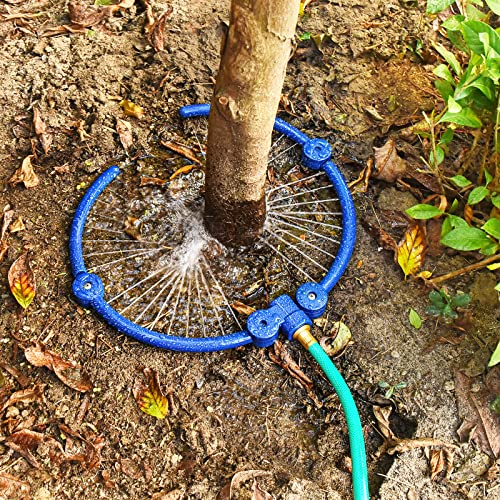
【Specially Designed for Trees and Shrubs】 The Watering Ring is a multi-purpose irrigation ring that attaches to a garden hose to efficiently water young trees shrubs vegetables or flower beds using drip or trickle irrigation.It directs water to the root perimeter of the plant to give them a good start during the first two growing seasons or through periods of drought.

The 24-inch (2 ft) DEEP DRIP Watering Stake delivers water and nourishes trees, including fruit, flowering, nut, and growing trees; right at the roots!

Compact length for targeted watering around tree trunks and shrubs. Easy to wrap without excess hose, preventing tangling. Perfect for single trees, small shrub beds, or potted plants.
Fertilizing
Mulberry trees should be fertilized at least once a year with an organic fertilizer or compost tea to promote healthy growth and fruit production. Fertilize in early spring before new growth begins and again after harvesting fruits in late summer or fall.
Recommended Products

FOR USE ON: Use Tree-tone organic fertilizer for all shade, fruit and ornamental trees including apple and peach trees

FORMULATED FOR CITRUS AND FRUIT TREES: Use these citrus fertilizer spikes on apple, orange, lemon, lime, and avocado trees; this formula is also great for feeding palm trees

Down to Earth Fruit Tree is a five pound box of all natural fertilizer with 6-2-4 formula and is listed by the Organic Materials Review Institute (OMRI) for use in organic production
Pruning
Pruning mulberry trees should be done sparingly, focusing on removing dead or diseased branches only when necessary. Prune older branches during late winter when the tree is dormant, removing no more than one third of the total branch length at one time.
Protection
Mulberry trees are susceptible to pests like aphids, scales, mites, caterpillars, borers and leaf miners; diseases such as powdery mildew, canker disease and verticillium wilt; as well as drought stress and sunburn damage from too much direct sunlight exposure on hot days. To protect your tree from these potential problems, provide adequate water during dry periods; apply organic fertilizers regularly; use insecticidal soap or neem oil for pest control; prune off affected branches promptly; apply fungicide preventively; and provide shade from intense sunlight if needed by planting other shrubs or trees nearby for natural shade protection.

Conclusion
Mulberry trees are a popular tree option for California residents and gardeners. They are native to the state and can generally withstand the hot, dry climate of California. Mulberry trees require little maintenance and can provide shade, privacy, and beauty to yards and gardens. While they prefer to grow in sunny areas with well-draining soil, they are fairly adaptable and can thrive in many different environments. Mulberry trees offer a wealth of benefits to those who choose them for their yards or gardens, making them an ideal choice for California residents.
Overall, mulberry trees are an excellent choice for California residents due to their hardiness, low maintenance requirements, and aesthetic appeal. With a little bit of care, these trees can provide years of enjoyment with their lush foliage and fragrant flowers. When selecting mulberry trees for your yard or garden, make sure to research the best species for your specific climate as well as planting instructions so that you can ensure your tree will thrive in its new home.
