

Have you ever wondered when and how to prune your grapevines for a bountiful harvest? Picture this: it’s spring, and your grapevines are overgrown, tangled, and in need of some care. Knowing the right techniques for pruning can make all the difference in maximizing your grape production.
Key Takeaways
- Understanding the Basics of Grape Pruning is crucial for grape health and productivity.
- Differentiate between spur-pruned and cane-pruned grapevines to prune effectively.
- Prune your grapevines during their dormant season in late winter or early spring for optimal growth.
- Look out for signs like overgrown canes and poor air circulation to determine when to prune grapes.
- Use essential tools like pruning shears and loppers, follow proper trimming techniques, and train vines for a successful harvest.
- Provide immediate care post-pruning by cleaning up, fertilizing, inspecting for diseases, and maintaining long-term vine health through regular inspection and seasonal pruning.
Understanding the Basics of Grape Pruning
Pruning grapevines is essential for their health and productivity. Here’s why it matters and the different types of grapevines you might encounter.
Why Pruning Is Critical for Grape Health
Pruning helps maintain the overall health of grapevines by promoting proper air circulation and sunlight exposure to the fruit-bearing shoots. It also aids in disease prevention, as removing excess growth can reduce the risk of fungal infections. Proper pruning ensures that the vine focuses its energy on producing quality grapes rather than excessive foliage.
Different Types of Grapevines
There are two main types of grapevines: spur-pruned and cane-pruned. Spur-pruned vines have short spurs along the main trunk where fruiting canes are selected each year. On the other hand, cane-pruned vines rely on selecting one-year-old wood canes to bear fruit, which are then pruned back during dormancy. Understanding these distinctions is crucial as it dictates how you should approach pruning each type effectively.
By grasping why pruning is vital for grape health and recognizing the different types of grapevines, you’ll be better equipped to care for your vines throughout their growth cycle.
Best Times to Prune Grapes
Knowing the optimal times for pruning your grapevines is essential for ensuring a successful harvest. Here’s when and how you should prune your grapevines:
Recommended Products
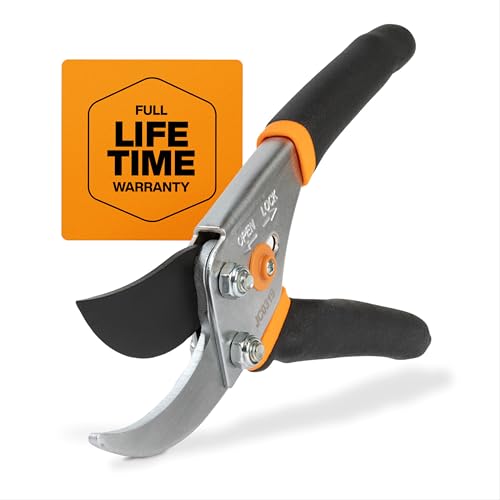
CLEAN CUTS FOR LIVE GROWTH: Bypass blade design is ideal for pruning delicate flower stems and green growth, helping reduce crushing and plant damage while cutting stems and small branches up to 5/8” in diameter

LONG-LASTING SHARPNESS: Japanese SK5 bypass blade with titanium coating is tested through 5,000 cuts to maintain a sharp edge and deliver clean, consistent cuts on live stems and branches

Seasonal Pruning: When to Cut
Pruning your grapevines should primarily be done during their dormant season, which typically occurs in late winter or early spring before new growth begins. This period allows the vines to recover from pruning stress and promotes vigorous regrowth once the growing season starts. Avoid pruning too early in winter when frost can damage freshly cut vines.
Signs That Your Grapes Need Pruning
To determine if your grapevines require pruning, look out for specific indicators such as overgrown canes, tangled growth patterns, reduced fruit production, or poor air circulation within the canopy. Additionally, inspect for diseased or damaged wood that needs removal to maintain vine health. Regularly monitoring these signs helps you stay proactive in maintaining the vitality of your grapevines.
By following these guidelines on when to prune your grapes and recognizing the signs that indicate it’s time for maintenance, you’ll ensure healthy vines that yield high-quality grapes at harvest time.
How to Prune Grapes
To properly prune your grapevines, you’ll need the right tools and a step-by-step guide to ensure their health and productivity.
Tools You Will Need for Pruning
- Pruning Shears: Essential for cutting small branches and canes.
- Loppers: Used for thicker branches that pruning shears can’t handle.
- Gloves: Protect your hands from thorns and cuts.
- Safety Glasses: Keep your eyes safe from debris while pruning.
- Identify the Basics:
- Look for old, weak, or damaged wood to remove first.
- Find the main trunk and select the best canes for next season’s growth.
- Trimming Techniques:
- Cut at an angle above a bud to promote new growth.
- Remove excess foliage but keep enough for photosynthesis.
- Timing Matters:
- Prune during late winter or early spring when vines are dormant.
- Avoid pruning too late in spring as it may affect fruit production.
- Training the Vines:
- Train new growth along support wires or trellises.
- Maintain a balanced structure to prevent overcrowding.
By following these steps and using the right tools, you’ll ensure healthy grapevines that yield high-quality grapes each season.
Caring for Your Grapevines Post-Pruning
After you’ve completed the pruning process, it’s essential to provide immediate care and plan for long-term vine maintenance to ensure healthy grapevines and a bountiful harvest.
Recommended Products

Floral snip pruning set comes with pair of flower scissors and pair of by pass pruners

DUAL CUTTING POWER: VERSATILE PRUNING COMBO --- With both Pruning Shears and Pruning Snip, this combo delivers unmatched versatility. Whether you're delicately trimming flowers and shrubs, tackling thicker tree branches, or tending to your vegetable and fruit garden, our combo pack excels in all areas. They're also perfect for landscaping projects and maintaining the health and appearance of indoor plants. With this pack, you have a versatile tool that simplifies your gardening tasks.
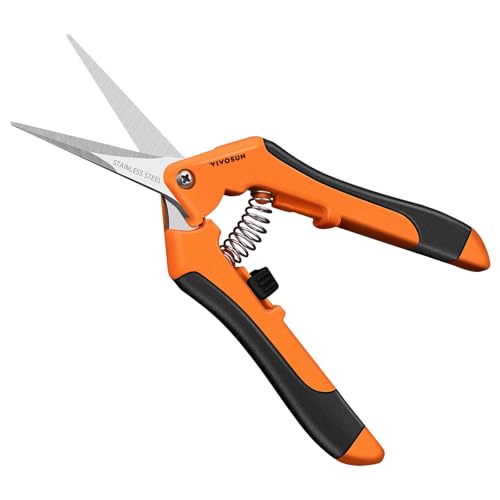
Reduce Hand Strain: These micro tip snips are made to reduces hand fatigue which makes them great for those with arthritis, carpal tunnel, hand or wrist issues; Comfortable “grip” handles will make it easy to work for long-time use without making you feel hand pain
Immediate Care After Pruning
Once you finish pruning your grapevines, focus on these crucial tasks:
- Clean Up: Remove all trimmings and debris from around the vines to prevent diseases and pests.
- Apply Fertilizer: Consider applying a balanced fertilizer to support new growth post-pruning.
- Inspect for Disease: Check for any signs of disease or pest infestation on the pruned areas and treat them promptly.
- Watering: Ensure proper watering to support recovery after pruning but avoid overwatering as it may lead to rot.
Long-Term Vine Maintenance
For the ongoing health of your grapevines, keep these practices in mind:
- Regular Inspection: Monitor your vines regularly for any signs of disease, pests, or nutrient deficiencies.
- Training New Growth: Guide new shoots along trellises or supports as they grow to maintain vine structure.
- Thinning Clusters: If there are too many grape clusters forming, consider thinning them out to promote better fruit quality.
- Seasonal Pruning: Continue with seasonal pruning during late winter or early spring each year to maintain vine health.
By following these immediate care steps after pruning and incorporating long-term maintenance practices, you’ll help your grapevines thrive and produce high-quality grapes season after season.
Conclusion
Now that you’ve learned the ins and outs of pruning grapes, you’re well on your way to a bountiful harvest. By mastering the techniques discussed in this article, you can ensure healthy grapevines and top-quality fruit production. Remember to care for your vines diligently post-pruning by tending to essential tasks like cleaning up, fertilizing, and monitoring for any signs of disease. Long-term vine maintenance may seem daunting, but with regular inspection, proper training of new growth, and seasonal pruning, you’ll set yourself up for success. Keep up with these practices consistently, and soon enough, you’ll be enjoying delicious grapes straight from your own backyard vineyard. Happy pruning!
Frequently Asked Questions
When is the best time to prune grapevines?
Prune grapevines during late winter or early spring before buds start to swell.
What are the different pruning techniques for grapevines?
Two common techniques are spur pruning and cane pruning, each with its own benefits.
What tasks should be done immediately after pruning grapevines?
Tasks include cleaning up debris, applying fertilizer, checking for diseases, and ensuring proper watering.
How can I care for grapevines post-pruning in the long term?
Regularly inspect vines, train new growth properly, thin clusters as needed, and continue seasonal pruning.
