

Have you ever wondered which fruit trees thrive in the Northeast? If you’re dreaming of homegrown apples, peaches, or cherries, you’re in the right place. The unique climate of this region offers a variety of options for both novice and experienced gardeners.
Key Takeaways
- Diverse Fruit Tree Options: The Northeast supports various fruit trees including apples, pears, cherries, peaches, and plums, each thriving in its unique growing conditions.
- Climate Adaptability: Selecting fruit trees must align with local climate characteristics, involving cold winters and warm summers, with specific chill hour requirements for optimal growth.
- Soil Requirements: Well-drained loamy soil with a pH of 6.0 to 7.0 is ideal for most fruit trees; soil testing is crucial for determining nutrient levels and necessary amendments.
- Proper Care and Maintenance: Essential practices, including timely pruning and pest management, enhance fruit trees’ health and productivity, leading to fruitful harvests.
- Space and Sunlight Needs: Ensure adequate space and full sun exposure for fruit trees to maximize growth and fruit yield; consider the mature size of each variety during planting.
Overview Of Fruit Trees In The Northeast
The Northeast’s climate favors a variety of fruit trees, thanks to its distinct seasons. You can consider these popular choices:
Apple Trees
Apple trees thrive in Northern climates. Choose varieties like Honeycrisp or McIntosh for good yields.
Pear Trees
Pear trees enjoy well-drained soil. Varieties like Bartlett and Bosc produce sweet fruit, perfect for fresh eating or cooking.
Cherry Trees
Cherry trees can be ornamental or fruit-bearing. Sweet cherries, like Bing, and tart varieties, like Montmorency, flourish in this region.
Peach Trees
Peach trees require warm summers. Freestone types like Elberta adapt well and offer juicy, sweet fruits.
Plum Trees
Plum trees prefer sandy soil and full sun. Varieties like Stanley and Satsuma yield delicious, juicy plums.
Blueberry Bushes
Though not trees, blueberry bushes are worth mentioning. They thrive in acidic soil, offering a bountiful crop when properly cared for.
Grape Vines
Like blueberries, grapevines add diversity to your garden. Varieties like Concord and Niagara excel in the Northeast, producing sweet harvests.
When selecting fruit trees for your garden, consider the following factors:
- Climate: Ensure chosen varieties suit your local weather conditions.
- Soil Type: Test your soil for pH levels and drainage capabilities.
- Sun Exposure: Most fruit trees prefer full sun for optimal growth.
- Space Requirements: Some trees grow larger than others; plan accordingly.
By selecting the best varieties and providing adequate care, you can enjoy a fruitful harvest from your Northeast garden.
Popular Fruit Trees
Growing fruit trees in the Northeast can be rewarding. Here’s a closer look at some popular varieties that thrive in this region.
Recommended Products
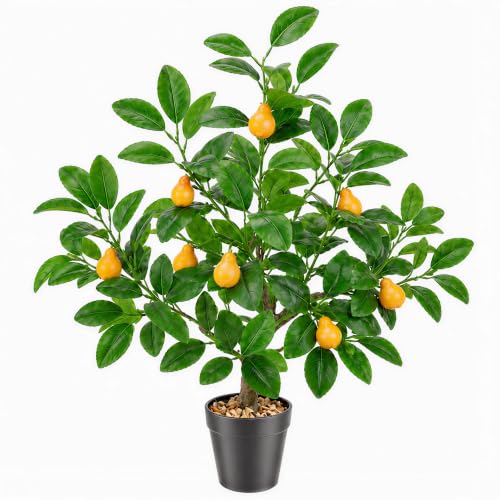
【Highly Realistic Decoration Tree】Artificial pear tree with big realistic leaves and 6pcs fake pear, total about 20 inch hight ( mini size tree ), lifelike leaves and...
Apples
Apple trees produce a variety of sweet and tart fruits. Consider Honeycrisp for its juiciness or McIntosh for its classic flavor. For your garden, plant these trees in well-drained soil with plenty of sunlight. They benefit from chill hours, so aim for 500 to 1,000 depending on the variety.
Peaches
Peach trees offer delicious fruits in summer. Elberta is a favorite for its sweet, juicy peaches. Select a variety that matches your zone; some can tolerate colder temperatures. Provide good air circulation around the tree to reduce disease risks. A sunny location and well-drained soil promote healthy growth.
Pears
Pears are another excellent option. Bartlett pears are known for their sweet flavor, while Bosc provides a firmer texture. Planting two varieties ensures better pollination and fruit production. Like apples, they need full sun and well-drained soil to flourish.
Cherries
Cherry trees come in sweet and tart varieties, both of which thrive in the Northeast. Sweet cherries, like Bing, offer great flavors for fresh eating, while tart cherries, such as Montmorency, are ideal for pies. Choose a site with ample sunlight and room for growth. Cross-pollination often enhances yield, so consider planting at least two trees.
Suitable Growing Conditions
Growing fruit trees in the Northeast offers unique challenges and opportunities. The right conditions can lead to successful fruit production.
Recommended Products
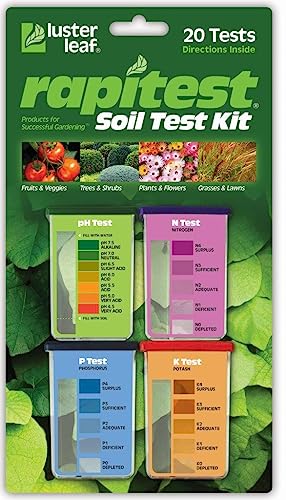
Quick, at home results for Soil pH, Nitrogen, Phosphorous and Potash Innovative and inexpensive soil test kit features an easy-to-use capsule system and patented color comparators

KNOW BEFORE YOU GROW | Grow the healthiest, sustainable lawn and garden with the most accurate and easy to use professional soil test kit on the market

FORMULATED FOR CITRUS AND FRUIT TREES: Use these citrus fertilizer spikes on apple, orange, lemon, lime, and avocado trees; this formula is also great for feeding palm trees
Climate Considerations
Temperatures in the Northeast vary significantly across the seasons. Fruit trees thrive with cold winters and warm summers. Most fruit trees require chilling hours between 32°F and 45°F during winter for proper growth and fruit development. For example, apple varieties like Honeycrisp need about 1,000 chilling hours. Furthermore, summer temperatures ideally range from 70°F to 85°F, making it crucial to select varieties suited for the climate. It’s essential to monitor local frost dates, as late frosts can damage budding fruits.
Soil Requirements
Soil plays a vital role in the health of your fruit trees. Well-drained, loamy soil typically offers the best environment. A pH level between 6.0 and 7.0 is ideal for most fruit trees. Conduct a soil test to determine the pH and nutrient levels. For instance, apple and peach trees prefer slightly acidic soil, while pear trees tolerate a broader range. Organic matter enhances soil structure and nutrient content. Incorporating compost boosts soil fertility, benefiting tree growth. Avoid overly compacted or clay-heavy soils, as they can lead to root rot and poor drainage.
Maintenance Tips
Maintaining fruit trees in the Northeast requires specific techniques to ensure healthy growth and bountiful yields. Here are essential care strategies.
Pruning Techniques
Pruning encourages healthy growth and fruit production. Perform pruning during late winter or early spring, just before new growth starts. Follow these steps for effective pruning:
- Remove Dead or Diseased Branches: Cut away any dead or damaged branches to promote air circulation and prevent disease spread.
- Thin Crowded Branches: Selectively remove branches that cross or overcrowd each other, allowing sunlight to penetrate the tree’s canopy.
- Shape the Tree: Aim for an open center structure, which enhances light exposure and makes harvesting easier.
- Cut at a 45-Degree Angle: Make cuts at a 45-degree angle to encourage healing and reduce moisture retention, which minimizes disease risk.
When finished, clean and disinfect your tools to prevent disease transmission.
Pest Management
Effective pest management protects your fruit trees from harmful insects and diseases. Implement these strategies to maintain your tree’s health:
- Monitor for Pests: Regularly inspect your trees for signs of pests such as aphids, spider mites, or caterpillars. Look for discolored leaves or visible insects.
- Encourage Beneficial Insects: Plant companion plants that attract beneficial insects like ladybugs and lacewings, which prey on harmful pests.
- Use Organic Pesticides: Consider using organic options like neem oil or insecticidal soap if pest populations become unmanageable. Always follow the product instructions.
- Maintain Healthy Trees: Keep trees healthy with proper watering, fertilization, and mulching. Strong trees are less susceptible to pest infestations.
- Practice Crop Rotation: Rotate crops in your garden if possible. This reduces the buildup of pests and diseases, making them easier to manage.
By implementing these maintenance tips, you’ll foster a thriving environment for your fruit trees and enjoy a plentiful harvest in the Northeast.
Conclusion
Growing fruit trees in the Northeast can be a rewarding experience for any gardener. With the right choices and care, you can enjoy a bounty of delicious fruits right from your backyard. Whether you opt for sweet apples or juicy peaches, each tree brings its own charm and flavor to your garden.
Remember to consider your local climate and soil conditions when selecting your trees. With a little patience and effort, you’ll soon be harvesting fresh fruits that not only taste great but also enhance your outdoor space. So grab your gardening gloves and get ready to cultivate your very own orchard!
Frequently Asked Questions
What types of fruit trees grow well in the Northeast?
Many fruit trees thrive in the Northeast, including apple trees (like Honeycrisp and McIntosh), pear trees (Bartlett and Bosc), cherry trees (both sweet and tart), peach trees (Elberta), and plum trees (Stanley and Satsuma). Additionally, blueberry bushes and grapevines are popular choices.
How does the climate in the Northeast affect fruit tree growth?
The Northeast experiences cold winters and warm summers, which are ideal for fruit trees. Most trees require chilling hours to produce fruit; for example, Honeycrisp apples need around 1,000 chilling hours for proper growth.
What soil conditions are best for fruit trees in this region?
Fruit trees prefer well-drained, loamy soil with a pH between 6.0 and 7.0. Conducting a soil test and adding organic matter like compost can enhance soil quality and support healthy tree growth.
How can I ensure proper pollination for my fruit trees?
To improve pollination, plant two different varieties of the same fruit tree species close together. For example, pear trees like Bartlett and Bosc thrive with cross-pollination, which enhances fruit yield.
When should I prune my fruit trees?
Pruning should be done during late winter or early spring before new growth begins. This encourages healthy growth and fruit production by removing dead branches and improving sunlight exposure.
How can I manage pests on my fruit trees?
Regularly monitor for pests, encourage beneficial insects, and use organic pesticides as needed. Maintain tree health through proper care and practice crop rotation to minimize pest buildup.
