

Have you ever strolled through a garden and been captivated by the sight of beautiful white flowers? If you’re curious about which fruit trees showcase these stunning blooms, you’re in the right place. Knowing the types of fruit trees with white flowers can enhance your gardening experience and help you choose the perfect addition to your landscape.
Imagine planting a tree that not only looks gorgeous but also yields delicious fruit. This article will guide you through some popular fruit trees known for their white flowers, making it easier for you to decide which one fits your garden. Whether you’re a seasoned gardener or just starting out, you’ll find valuable insights that can help you create a vibrant and fruitful outdoor space.
Key Takeaways
- Variety of Trees: Popular fruit trees with white flowers include apple, pear, cherry, peach, and plum trees, all of which provide both beauty and edible fruit.
- Pollination Requirements: Most white flowering fruit trees require cross-pollination for optimal fruit production, so consider planting compatible varieties nearby.
- Aesthetic and Seasonal Appeal: These trees enhance garden aesthetics with stunning blooms in spring, offer shade in summer, and yield delicious fruits in the fall, providing year-round interest.
- Attracting Wildlife: The fragrant flowers of white flowering fruit trees attract pollinators such as bees and butterflies, promoting biodiversity in your garden.
- Environmental Benefits: Planting fruit trees contributes to a healthier environment by improving air quality, producing oxygen, and preventing soil erosion.
- Practical Considerations: When selecting trees, assess climate suitability, available space, and individual care needs to ensure successful growth and fruit production.
Overview of Fruit Trees With White Flowers
Fruit trees with white flowers not only beautify your garden but also yield delightful edible fruits. Various species offer stunning blossoms, making them a popular choice for landscape design. Here’s a look at some common fruit trees boasting white flowers:
Recommended Products

1. Plenty of Space:Plenty of room for any type of fruits and vegetables, the 8x12 inch fruit netting bags are big enough for protecting many kind of fruits, vegetables, flower from pest, birds and don’t restrict their growth. The drawstring mesh fruit protectors with double pulls that do make them easier to install and remove versus the single pull type. And the pest barrier bags will stay secure without gap on the top once closed.

Used Book in Good Condition

Apple Trees
- Species: Malus domestica
- Flowers: Apple trees display clusters of white to pale pink flowers.
- Fruit: They produce crisp apples in multiple varieties, perfect for fresh eating or baking.
Pear Trees
- Species: Pyrus communis
- Flowers: Pear trees exhibit white, star-shaped blooms in the spring.
- Fruit: Enjoy sweet, juicy pears, excellent for fresh consumption or preserving.
Cherry Trees
- Species: Prunus avium
- Flowers: Cherry trees feature delicate white flowers that attract bees.
- Fruit: They bear delicious cherries, which are great for pies and jams.
Peach Trees
- Species: Prunus persica
- Flowers: Peach trees produce showy white to pink flowers.
- Fruit: Look forward to juicy, sweet peaches for snacks or desserts.
Plum Trees
- Species: Prunus domestica
- Flowers: Plum trees bloom with fragrant white flowers.
- Fruit: They yield sweet plums, ideal for fresh eating or making preserves.
- Climate Considerations: Select trees suitable for your growing zone.
- Space Availability: Ensure enough room for full growth and spread.
- Pollination Needs: Check if your chosen variety requires a pollinator for optimal fruiting.
These fruit trees provide both aesthetics and functionality, enhancing your garden while offering delicious rewards.
Common Fruit Trees With White Flowers
Several fruit trees produce stunning white flowers that enhance the beauty of your garden while also yielding delicious fruit. Here’s a closer look at some common options.
Recommended Products

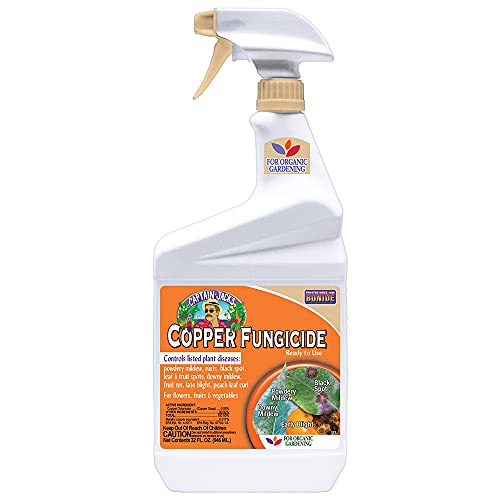
Control fungus and disease in your garden with Captain Jack’s ready-to-use Liquid Copper Fungicide!

Fruit Tree design. Designed with bright, fun colors, we aim to celebrate America's largest native fruit: Asimina triloba! The illustration depicts pawpaw fruit branch with its seeds, flowers and leaves.
Apple Trees
Apple trees showcase beautiful white to light pink flowers in spring. These flowers bloom in clusters, creating a striking display. They thrive in USDA hardiness zones 3 to 8. Popular varieties include Fuji and Granny Smith, both known for their sweet and tangy fruit. When planting, allow sufficient space for cross-pollination by selecting different apple varieties, which maximize fruit yield.
Pear Trees
Pear trees produce delicate white flowers that appear in clusters before the leaves emerge. Their fragrant blooms attract pollinators, making them popular in gardens. These trees flourish in zones 4 to 9, and reliable varieties like Bartlett and Bosc yield succulent fruit. When planting, ensure well-drained soil to prevent root rot. Regular pruning encourages better air circulation and enhances fruit quality.
Cherry Trees
Cherry trees display stunning white flowers in spring, attracting attention with their large clusters. Trees like Yoshino and Kwanzan blossom profusely and are known for their ornamental appeal. They prefer USDA zones 5 to 8. Most cherry trees need cross-pollination for fruit production, so consider planting multiple varieties. Adequate sunlight and moisture contribute to healthy growth and fruiting.
Characteristics of White Flowering Fruit Trees
White flowering fruit trees possess distinct attributes that enhance their appeal in any garden. These trees offer beauty and flavorful fruit, making them valuable additions to your landscape.
Recommended Products

ELEGANT FLOWERING TREE: 20 Seeds of White Flowering Dogwood (Coronus florida) Fast growing, a unique specimen indeed.

LIVE BLACK CHERRY TREE SEEDLINGS: Grow the beautiful native Black Cherry (Prunus serotina), a vigorous deciduous tree valued for its attractive foliage, wildlife benefits, flowers, dark fruit, and long-term landscape potential.
LIVE BLACK CHERRY TREE SEEDLINGS: Grow the beautiful native Black Cherry (Prunus serotina), a vigorous deciduous tree valued for its attractive foliage, wildlife benefits, flowers, dark fruit, and long-term landscape potential.
Flower Structure and Color
White flowering fruit trees typically showcase clusters of small, five-petaled flowers. The colors range from pure white to creamy tones, depending on the species.
- Apple Trees: Apple blossoms feature delicate white petals with a hint of pink. These flowers often bloom in clusters, creating a striking appearance.
- Pear Trees: Pear flowers are small, usually pure white, and grow in tight clusters. Their fragrance attracts various pollinators.
- Cherry Trees: Cherry flowers, often large, bloom in stunning white clusters. Some varieties, like Yoshino, display slightly pink tints in their petals.
These attributes create a dramatic visual display during the blooming season, attracting attention and pollinators alike.
Pollination and Harvesting
Pollination plays a crucial role in the fruit production of white flowering fruit trees. Most species require cross-pollination to produce fruit effectively.
- Apple Trees: Apple trees often need another variety nearby as a pollinator. Planting two different apple varieties increases chances of successful fruit set.
- Pear Trees: Similar to apples, pears respond well to cross-pollination. Certain varieties are more compatible, such as Bartlett and Bosc.
- Cherry Trees: Some cherry varieties are self-pollinating, while others require partners. Ensure you select compatible trees to maximize fruit yield.
Harvesting typically occurs several months after blooming. Depending on the fruit tree, monitor for optimal ripeness before picking. Familiarizing yourself with each variety’s specific harvest time ensures the best flavor and quality.
Benefits of Planting White Flowering Fruit Trees
Planting white flowering fruit trees offers multiple advantages for your garden and environment. They enhance beauty, attract wildlife, and provide delicious fruit.
Aesthetic Appeal
White flowering trees deliver stunning visual interest in any landscape. Their blooms create a soft, elegant look, making them ideal focal points. You can enjoy vibrant flowers in spring, which transition to lush green leaves throughout summer.
Attracting Pollinators
Fruit trees with white flowers attract essential pollinators, such as bees and butterflies. The fragrant blossoms act as natural invitations for these creatures, promoting biodiversity in your garden. This helps improve fruit yield as pollination increases the production of flowers and ultimately, fruit.
Seasonal Interest
White flowering fruit trees offer year-round enjoyment. In spring, blossoms burst into life. In summer, you enjoy their shady foliage. In fall, many fruit trees bear ripe fruit, providing harvest time rewards. Even in winter, some trees contribute interesting bark textures and forms.
Fruit Production
Many white flowering trees produce delicious fruits. Apple, pear, and cherry trees yield both beautiful flowers and bountiful harvests. Selecting the right varieties ensures you’re rewarded with flavorful fruit, perfect for fresh eating or culinary uses.
Environmental Benefits
Planting fruit trees contributes to a healthier environment. They produce oxygen, improve air quality, and combat climate change by sequestering carbon. Additionally, they help prevent soil erosion with their root systems, promoting a stable ecosystem.
Practical Considerations
When selecting white flowering fruit trees, consider your climate, space, and maintenance needs. Research compatible varieties to ensure effective pollination. Also, evaluate the specific care requirements, such as soil type and watering, to create a thriving environment for your trees.
Conclusion
Choosing a fruit tree with stunning white flowers can transform your garden into a vibrant sanctuary. These trees not only offer aesthetic beauty but also provide delicious fruit and support local wildlife. Whether you opt for apple, pear, or cherry trees, you’ll enjoy the seasonal changes they bring.
With the right care and attention, you’ll create a flourishing landscape that invites pollinators and enhances your outdoor space. So go ahead and plant a white flowering fruit tree that suits your garden’s needs. You’ll be rewarded with blossoms in spring and tasty fruit in summer, making your gardening experience truly fulfilling.
Frequently Asked Questions
What are some popular fruit trees with white flowers?
Many fruit trees have beautiful white flowers, including apple, pear, and cherry trees. Each offers stunning blooms and delicious fruit, making them a great choice for enhancing your garden’s aesthetic.
What is the best climate for growing apple trees?
Apple trees thrive in USDA hardiness zones 3 to 8, allowing them to adapt to various climates. Common varieties like Fuji and Granny Smith do best when provided with cool winters and well-drained soil.
Do pear trees attract pollinators?
Yes, pear trees produce delicate white flowers that attract various pollinators, such as bees and butterflies. Planting them can enhance your garden’s biodiversity and improve fruit yield.
Are cherry trees self-pollinating?
Some cherry tree varieties are self-pollinating, meaning they can produce fruit without another tree nearby. However, planting compatible varieties can enhance fruit yield and quality.
What care do white flowering fruit trees require?
White flowering fruit trees need proper sunlight, well-drained soil, and regular watering. Pruning, fertilizing, and monitoring for pests are also important for their healthy growth and fruit production.
What are the aesthetic benefits of planting fruit trees?
Fruit trees with white flowers not only enhance your garden’s beauty in spring but also provide seasonal interest throughout the year. Enjoy their blossoms, lush foliage, and fruit harvests for year-round appeal.
