

Are you dreaming of a backyard filled with fresh, juicy fruit? If you live in Utah, you might be wondering which fruit trees can thrive in your unique climate. With its distinct seasons and varying elevations, Utah presents both challenges and opportunities for aspiring gardeners.
Key Takeaways
- Climate Suitability: Utah’s USDA Hardiness Zones 5 to 7 are ideal for growing a variety of fruit trees, including apples, cherries, peaches, and pears.
- Soil Requirements: Fruit trees thrive in well-draining soil with a pH between 6.0 and 7.5, with proper amendments to enhance fertility.
- Sunlight Needs: Ensure fruit trees receive at least 6 to 8 hours of direct sunlight daily for optimal growth and fruit production.
- Watering Practices: Regular and deep watering is crucial, especially during the dry summer months, to maintain adequate soil moisture.
- Pest Management: Monitor trees carefully for pests like aphids and spider mites, and employ organic treatments to keep trees healthy and productive.
- Harvesting and Maintenance: Regular pruning, fertilization, and timely harvesting of fruit at peak ripeness are essential for achieving a bountiful harvest in Utah.
Overview of Fruit Trees in Utah
Growing fruit trees in Utah offers a rewarding experience, thanks to the state’s diverse climate. Favorable conditions exist for various species across the regions, from the high mountains to the valleys.
Key Considerations for Growing Fruit Trees
Consider the following factors before planting:
- Climate: Most fruit trees thrive in USDA Hardiness Zones 5 to 7, so check your local zone.
- Soil Type: Well-draining soil with a pH between 6.0 and 7.5 works best for most fruit trees.
- Sunlight: Ensure your trees get at least 6 to 8 hours of direct sunlight daily.
- Watering: Regular watering is crucial, especially during dry summer months.
Recommended Fruit Trees
Some fruit trees grow particularly well in Utah. Here are reliable options:
- Apple Trees: Varieties like Honeycrisp and Fuji excel in Utah’s climate.
- Cherry Trees: Tart and sweet cherries, such as Montmorency and Bing, thrive well.
- Peach Trees: Freestone varieties such as Redhaven are popular due to their hardiness.
- Pear Trees: Asian and European pears, like Hosui and Bartlett, perform well.
Planting Tips
Follow these steps for successful planting:
- Choose the Right Location: Pick a sunny spot with well-draining soil.
- Prepare the Soil: Amend the soil with compost to enhance fertility.
- Dig a Proper Hole: Make a hole twice the width and the same depth as the root ball.
- Plant the Tree: Place the tree in the hole, ensuring the graft union sits above soil level.
- Water Thoroughly: Give the tree a deep watering immediately after planting.
Pest and Disease Management
Mitigate common issues by following these practices:
- Regular Monitoring: Check for pests like aphids or spider mites weekly.
- Proper Pruning: Prune trees annually to promote airflow and reduce disease risk.
- Organic Treatments: Use neem oil or insecticidal soap to manage pests sustainably.
Harvesting and Maintenance
Regular maintenance ensures healthy fruit trees:
- Fertilization: Use a balanced fertilizer in early spring.
- Pruning: Trim branches during dormancy to encourage growth.
- Harvesting: Pick fruit at peak ripeness for the best flavor.
Growing fruit trees in Utah can lead to fruitful rewards. By selecting the right varieties and following best practices, you’ll enjoy a bountiful harvest season after season.
Climate Considerations for Fruit Trees
Understanding Utah’s climate is crucial for successful fruit tree cultivation. This state features diverse weather patterns and elevation changes that affect growth potential.
Hardiness Zones
Utah spans several USDA Hardiness Zones, primarily Zones 5 through 8. Knowing your zone helps you select suitable fruit trees. For example, apple trees thrive in these zones, particularly varieties like Honeycrisp and Fuji in warmer areas. Research your specific zone for optimal fruit tree choices.
Temperature and Precipitation
Temperature fluctuations and precipitation levels play significant roles in fruit tree health. Utah experiences cold winters and hot summers, with many areas receiving low annual rainfall, typically between 10 to 15 inches.
- Temperature: Ensure fruit trees can withstand freezing temperatures in winter. Choose trees that tolerate temperatures as low as -10°F.
- Precipitation: Supplement rainfall with irrigation during dry spells. It’s vital to maintain adequate soil moisture, especially during the growing season. Drip irrigation systems effectively deliver water directly to the roots, minimizing waste.
Consider these climate-related factors when planning your fruit tree garden to enhance growth and yield.
Recommended Fruit Trees for Utah
Utah’s climate allows various fruit trees to thrive. The following sections detail specific types recommended for local gardeners.
Recommended Products

🌱 Live Peter’s Honey Fig Tree in Pot – Shipped fully rooted and ready to grow in your home or garden.

Produces sweet, juicy mulberries
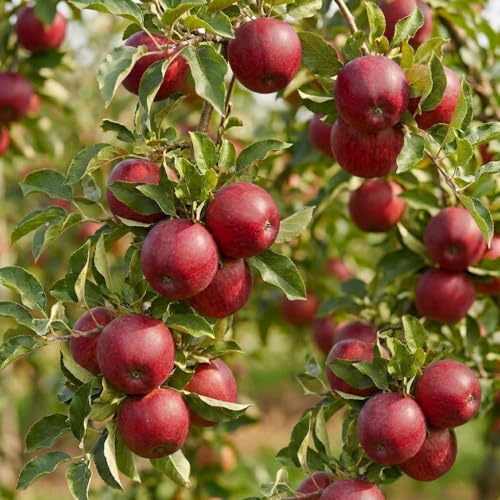
🍎 3 Live Apple Tree Saplings: Receive three healthy young apple tree saplings ready to plant and grow in your garden, backyard orchard, or container. Plants ship dormant (not leaves or fruit) in spring.
Apple Trees
Apple trees flourish in Utah’s climate. Consider varieties like Honeycrisp, Fuji, and Gala. These types resist pests and produce sweet, crisp fruit. Plant apple trees in full sun with well-drained soil. Space them about 15 to 20 feet apart for optimal growth. Regular pruning enhances air circulation, reduces disease risk, and increases yield.
Cherry Trees
Cherry trees, such as Montmorency and Bing, adapt well to Utah’s conditions. Montmorency cherries offer tartness, ideal for preserves, while Bing cherries add sweetness for fresh eating. Choose a location with full sun and fertile soil. Keep the trees spaced about 20 to 25 feet apart. Harvest cherries in late spring to early summer; they ripen quickly and require timely picking for optimal flavor.
Peach Trees
Peach trees, particularly the Redhaven variety, thrive in Utah’s warmer areas. Redhaven peaches provide juicy, flavorful fruit. Plant in a sunny spot with good airflow, ensuring adequate space of 15 to 20 feet between trees. These trees benefit from winter pruning, which improves shape and encourages fruit production. Palletize pests like aphids and peach tree borers through regular monitoring and organic treatments.
Pear Trees
Pear trees like Hosui and Bartlett do well in Utah’s climate. Hosui pears boast crisp texture and sweet flavor, while Bartlett pears are great for canning. Plant them in an area with full sunlight and rich, well-drained soil, spacing the trees around 15 to 20 feet apart. Pruning during dormant seasons helps maintain shape and reduces disease risks. Regularly check for pests, especially pear psylla, and use organic methods for control when necessary.
Tips for Growing Fruit Trees in Utah
Growing fruit trees in Utah requires attention to detail and understanding the unique climate. Focusing on soil quality, watering techniques, and proper fertilization ensures trees thrive.
Recommended Products

Quick, at home results for Soil pH, Nitrogen, Phosphorous and Potash Innovative and inexpensive soil test kit features an easy-to-use capsule system and patented color comparators

FORMULATED FOR CITRUS AND FRUIT TREES: Use these citrus fertilizer spikes on apple, orange, lemon, lime, and avocado trees; this formula is also great for feeding palm trees

Let our professionally formulated plant food help your fruit tree grow healthy, strong AND abundantly producing
Soil Preparation
Select well-drained soil to promote healthy root growth. Test the soil pH, aiming for a level between 6.0 and 7.0. Amend the soil with organic matter, such as compost or well-rotted manure, to improve fertility and drainage. When planting, dig a hole twice as wide as the root ball but no deeper than the roots. This allows roots to spread easily while preventing water from pooling.
Watering and Fertilization
Water young trees deeply to establish roots without waterlogging. Aim for 1-2 inches of water per week, adjusting during hot, dry spells. Use mulch around the base to retain moisture and regulate soil temperature.
Fertilize trees in early spring with a balanced, slow-release fertilizer. Follow label instructions for amounts based on tree size and age. Avoid excessive fertilization, which can cause excessive growth and reduce fruit quality. Regular soil tests help determine additional nutrient needs throughout the growing season.
Common Pests and Diseases
Managing pests and diseases is crucial for healthy fruit trees in Utah. Various pests and diseases affect different tree types, so knowing what to look for helps you take necessary actions.
Common Pests
- Aphids: These small, soft-bodied insects suck juice from leaves and stems, causing curling and yellowing. Control aphids by introducing ladybugs or spraying with insecticidal soap.
- Spider Mites: Tiny but harmful, spider mites create webbing and cause leaf discoloration. Regularly spray water on leaves and use acaricides as needed.
- Coddling Moths: These larvae damage fruit by burrowing into apples and pears. Hang pheromone traps and apply organic insecticides during the flowering stage.
Common Diseases
- Fire Blight: This bacterial infection affects apples and pears, leading to wilting and blackened branches. Prune infected branches in late winter and apply a copper-based fungicide in spring for prevention.
- Powdery Mildew: A fungal disease causing a white powdery substance on leaves. Ensure proper air circulation and apply fungicides if necessary.
- Brown Rot: This fungal infection affects stone fruits like cherries and peaches. Practice good sanitation by cleaning fallen fruit and applying appropriate fungicides during the bloom stage.
- Regular Monitoring: Inspect your trees weekly for signs of pests or diseases. Early detection improves treatment effectiveness.
- Proper Pruning: Maintain tree health by removing dead or diseased branches. This improves airflow and reduces disease risk.
- Soil Health: Healthy soil promotes strong trees. Use organic compost and mulch to enrich soil and maintain moisture.
- Stress Reduction: Avoid over or under-watering, as stressed trees are more susceptible to pests and diseases. Aim for consistent watering practices.
Adopting these pest and disease management strategies keeps your fruit trees healthy and productive in Utah’s unique climate.
Conclusion
Growing fruit trees in Utah can be a rewarding experience. With the right selection and care you can enjoy delicious homegrown fruits year after year. Remember to consider your local climate and soil conditions when choosing which trees to plant.
By following the tips outlined in this guide you’ll set yourself up for success. Whether you opt for the crisp sweetness of Honeycrisp apples or the juicy delight of Redhaven peaches you’ll find joy in nurturing your trees.
So grab your gardening gloves and get started on your fruit tree journey. Happy planting!
Frequently Asked Questions
What are the best fruit trees to grow in Utah?
The best fruit trees to grow in Utah include Honeycrisp and Fuji apple trees, Montmorency and Bing cherry trees, Redhaven peach trees, and Hosui and Bartlett pear trees. These varieties thrive in Utah’s unique climate and can withstand temperature fluctuations.
How do I choose the right location for fruit trees?
Select a location that receives full sun for at least 6-8 hours daily, has well-drained soil, and is sheltered from strong winds. Avoid low-lying areas that may collect frost, and ensure good airflow to prevent disease.
What type of soil is best for fruit trees in Utah?
Fruit trees prefer well-drained soil with a pH between 6.0 and 7.0. Amending the soil with organic matter can improve drainage and nutrient availability, which is vital for healthy growth.
How often should I water my fruit trees?
Newly planted trees should be watered deeply once a week, especially during dry spells. As trees mature, adjust watering based on rainfall and soil moisture, focusing on maintaining consistent moisture without waterlogging.
How do I prevent pests and diseases in my fruit trees?
Regularly monitor your trees for pests like aphids and diseases such as fire blight. Use organic pest control methods, maintain good soil health, and prune correctly to improve air circulation and reduce disease risk.
When is the best time to fertilize fruit trees?
Fertilize fruit trees in early spring using a balanced, slow-release fertilizer. Conduct regular soil tests to determine nutrient needs and avoid over-fertilizing, which can harm tree health.
How can I protect my trees from freezing temperatures?
To protect your trees, select varieties suited for your USDA Hardiness Zone. Additionally, mulch around the base can help insulate roots and minimize temperature fluctuations, while proper watering before cold spells increases resilience.
What maintenance do fruit trees need for a bountiful harvest?
Regular maintenance includes proper pruning, timely fertilization, and consistent watering. Monitor your trees for pests and diseases, and ensure you harvest fruit at its peak ripeness for the best flavor and quality.
