
Close Menu
    Fruit Tree Hub
    • Home
    • Apple Trees
    • Lemon Trees
    • Mango Trees
    • Orange Trees
    • More Trees
      • Best Fruit Trees
      • Apricot Trees
      • Cherry Trees
      • Fig Trees
      • Lime Trees
      • Mulberry Trees
      • Peach Trees
      • Pear Trees
      • Plum Trees
      • Pomegranate Trees
    • Tips and Advice
      • Tools
    • About Us
      • Contact
      • Privacy Policy
    Fruit Tree Hub
    Home»Tips and Advice»How to Stop Birds Eating Fruit on Trees and Protect Your Garden Harvest Effectively
    Tips and Advice

    How to Stop Birds Eating Fruit on Trees and Protect Your Garden Harvest Effectively

    Martha JacksonBy Martha JacksonNovember 5, 20249 Mins Read
    Share Facebook Twitter Pinterest WhatsApp Email
    Share
    Facebook Twitter LinkedIn Pinterest Telegram Email

    Have you ever looked out at your fruit trees only to find them stripped bare by hungry birds? It’s frustrating to put in all that effort growing delicious fruit, only to have it snatched away. You’re not alone in this battle against feathered thieves.

    Contents show
    1 Key Takeaways
    2 Understanding The Problem
    2.1 Reasons Birds Are Attracted to Fruit Trees
    2.2 Common Bird Species That Damage Fruit
    3 Common Birds That Eat Fruit
    3.1 Identifying The Main Culprits
    3.2 The Impact On Your Garden
    4 Effective Preventive Measures
    4.1 Physical Barriers
    4.2 Deterrent Products
    5 Natural Solutions
    5.1 Companion Planting
    5.2 Creating Habitats For Birds
    6 Monitoring And Adjusting Strategies
    6.1 Regular Observation
    6.2 Adjusting Deterrents
    6.3 Use of Motion Sensors
    6.4 Timing Your Harvest
    6.5 Documenting Progress
    6.6 Engaging Local Audiences
    6.7 Researching Species-Specific Behavior
    7 Conclusion
    8 Frequently Asked Questions
    8.1 Why do birds steal fruit from gardens?
    8.2 Which birds commonly damage fruit?
    8.3 What are effective ways to protect fruit trees from birds?
    8.4 Can companion planting help deter birds?
    8.5 How can I monitor bird activity in my garden?

    In this article, you’ll discover practical strategies to protect your fruit from birds without harming them. From simple deterrents to clever tricks, you’ll learn how to safeguard your harvest and enjoy the fruits of your labor. With a little effort, you can keep those pesky birds at bay and savor the bounty of your trees.

    Key Takeaways

    • Understanding Bird Attraction: Birds are drawn to fruit trees for their natural food source, shelter, and visibility of brightly colored fruits, which necessitates protective measures.
    • Identification of Culprits: Familiarity with common fruit-eating birds, such as sparrows, starlings, robins, blue jays, and finches, allows for targeted deterrent strategies.
    • Impact on Gardens: Bird activity can lead to significant fruit loss, damage to plants, and the spread of pests and diseases, emphasizing the need for effective prevention.
    • Effective Preventive Measures: Utilizing physical barriers like bird netting, scare devices, and decoy predators can effectively deter birds from accessing fruit.
    • Natural Solutions: Implementing companion planting and creating habitats for insectivorous birds can cultivate a balanced ecosystem while protecting your fruit.
    • Monitoring and Adjusting: Regular observation of bird activity, timely adjustments to deterrents, and documenting progress help optimize your protection strategies over time.

    Understanding The Problem

    Birds can be a gardener’s worst nightmare, especially when they target fruit trees. It’s frustrating to watch your hard work go to waste as birds peck at ripe fruit, leaving behind damaged crops. Understanding why birds are drawn to your trees helps in finding effective solutions.

    Reasons Birds Are Attracted to Fruit Trees

    1. Natural Food Source: Fruits provide essential nutrients and energy for birds.
    2. Shelter: Trees offer a safe place for birds to rest and nest, creating a conducive environment to forage.
    3. Visibility: Brightly colored fruits catch birds’ attention, prompting them to investigate.
    MUST READ
    How To Get Rid Of Fruit Flies On Citrus Trees

    Common Bird Species That Damage Fruit

    • Sparrows: These small birds often flock to gardens looking for easy food sources.
    • Starlings: Known for their iridescent feathers, starlings can quickly consume large quantities of fruit.
    • Robins: These birds are notorious for pecking at ripe berries and cherries.
    1. Fruit Theft: Birds may take entire fruits, leaving your trees bare and unharvested.
    2. Fruit Damage: Even if they don’t eat all the fruit, peck marks can render it unsightly and less appealing.
    3. Disease Spread: Birds can introduce pathogens when they interact with your plants, increasing the risk of diseases.

    By recognizing these problems, you can take proactive steps to protect your harvest. Implementing effective solutions not only safeguards your fruit but also addresses the challenges posed by birds in a humane way.

    Common Birds That Eat Fruit

    Many bird species are attracted to fruit trees, each causing varying degrees of damage. Understanding these birds enables you to better protect your crops.

    Identifying The Main Culprits

    • Sparrows: Sparrows often steal small fruits like berries and cherries. They come in flocks and can quickly deplete your harvest.
    • Starlings: Starlings are known for their loud calls and banding behavior. They prefer larger fruits such as apples and grapes and can cause significant damage.
    • Robins: Robins love to feast on soft fruits like strawberries and raspberries. Their distinctive red breasts make them easy to identify in your garden.
    • Blue Jays: Blue jays are striking birds that enjoy a variety of fruits, including peaches and plums. They often take whole fruits, leaving little behind.
    • Finches: Different finch species, particularly goldfinches, consume seeds and berries. They can quickly strip trees and shrubs of their fruit.

    The Impact On Your Garden

    Birds can affect your garden in several ways:

    • Fruit Loss: You might notice a significant reduction in your fruit yield due to theft. For example, a single sparrow can eat multiple berries in a short time.
    • Damage to Plants: Birds often peck at the fruit, leaving marks and scars. This damage can lead to disease and deter future growth.
    • Physical Disturbance: Birds can knock over young plants as they forage. This disturbance can hinder your plants’ development.
    • Spread of Pests and Diseases: Birds may carry pests or diseases that can harm your crops. Early monitoring can mitigate these risks.

    Recognizing which birds are frequent visitors enables you to implement targeted deterrents, effectively protecting your garden’s bounty.

    Effective Preventive Measures

    Protecting your fruit trees from birds requires practical strategies. Implementing the right methods helps deter these feathered intruders without harm.

    Recommended Products

    2PCS Large Fruit Tree Netting with Drawstring and Zipper, 8 * 8FT Garden Netting for Garden Protection, Insect Bird Netting for Fruit Trees, Protection from Anti Birds, Bugs,Cicadas, Insects
    2PCS Large Fruit Tree Netting with Drawstring and Zipper, 8 * 8FT Garden Netting for Garden Protection, Insect Bird Netting for Fruit Trees, Protection from Anti Birds, Bugs,Cicadas, Insects

    Garden Netting Bags For Garden Protection: You will receive 2pcs garden netting, size 8*8ft, perfect for various plants such as fruit trees, blueberry shrubs, large potted plants, flowers, etc. The large fruit tree netting bags effectively prevents insects and small animals such as cicadas, beetles, rabbits, birds from damaging your plants, ensuring safe growth and obtaining more harvest

    MUST READ
    How to Get Free Fruit Trees: Your Guide to Thriving Backyard Orchards
    VIEW LATEST PRICE

    As an affiliate, we earn on qualifying purchases.

    VITI Fruit Tree Netting for Cicadas - with 2Pcs 6Ftx5.3Ft Zipper&Drawstring Protection for Your Fruit Trees Garden Bird Netting Covers Blueberry Bush Tomato Bug Plant Protection Cherry Apple Tree
    VITI Fruit Tree Netting for Cicadas - with 2Pcs 6Ftx5.3Ft Zipper&Drawstring Protection for Your Fruit Trees Garden Bird Netting Covers Blueberry Bush Tomato Bug Plant Protection Cherry Apple Tree

    Convenient Zipper and Drawstring Design---Our Fruit Tree Netting for Cicadas has a user - friendly, durable zipper. It makes accessing fruit trees & blueberry bushes easy during trimming, watering, or harvesting. No more struggling with complex closures or removing the whole net. This is especially useful for cicada protection. The attached drawstring enhances functionality, allowing you to secure the net tightly around plants. This combo ensures easy handling & a snug fit, even in windy conditions, making plant maintenance stress - free.

    VIEW LATEST PRICE

    As an affiliate, we earn on qualifying purchases.

    Fruit Tree Netting for Cicadas - with Zipper 4Pcs 5 x 4FT Garden Bird Netting for Blueberry Bushes with Drawstring,Insect Plant Protection Mesh Net Bags for Tomato,Cicada,Animals (4, 4 x 5 FT)
    Fruit Tree Netting for Cicadas - with Zipper 4Pcs 5 x 4FT Garden Bird Netting for Blueberry Bushes with Drawstring,Insect Plant Protection Mesh Net Bags for Tomato,Cicada,Animals (4, 4 x 5 FT)

    【2024 New Drawstring and Zipper Design】: This convenient Fruit Tree Netting for Cicadas features an adjustable drawstring and zipper, providing ease of use. Simply place the netting over your plants, tighten the rope to securely safeguard them, and enjoy the simplicity of putting it on and taking it off. Additionally, our garden netting boasts a multi-functional zipper on the side, enabling you to effortlessly pick fruit without disturbing the protective barrier. This durable bird netting design ensures it can be used year after year, making it a valuable addition to your gardening tools.

    VIEW LATEST PRICE

    As an affiliate, we earn on qualifying purchases.

    Physical Barriers

    Using physical barriers effectively deters birds from accessing your fruit. Consider these measures:

    • Bird Netting: Install bird netting around trees to cover ripening fruits. Ensure the netting is securely fastened to prevent birds from slipping underneath.
    • Row Covers: Utilize lightweight row covers to shield entire trees or sections of your garden. These create a barrier that keeps birds away while allowing sunlight and moisture through.
    • Scare Devices: Hang reflective objects, such as aluminum foil strips or old CDs, around your tree. Their shiny surfaces create movement and light, discouraging birds from approaching.

    Deterrent Products

    Various commercial products and home remedies exist to further discourage birds. Explore these options:

    • Decoys: Use plastic predators, like owls or hawks, placed strategically near your trees. Their presence can make birds feel threatened and less likely to approach.
    • Scent Deterrents: Certain scents repel birds; consider using commercial bird repellents made from natural ingredients. Apply these products around your trees to create an unwelcoming environment for birds.
    • Sound Devices: Install devices that emit distress calls or predator sounds, which can create an auditory deterrent. Many of these devices offer adjustable settings to avoid startling nearby neighbors.
    MUST READ
    How Do You Plant Fruit Trees: A Step-by-Step Guide for a Bountiful Harvest

    Employing these effective preventive measures increases the chances of protecting your fruit trees.

    Natural Solutions

    Natural solutions can effectively minimize bird damage to fruit trees while fostering a balanced ecosystem. Consider the following strategies.

    Recommended Products

    Fruit Tree Netting with Zipper & Drawstring - 8'x8' Garden Plant Net Pest Barrier to Prevent Cicadas Bird Squirrel Deer - Bug Protection for Blueberry Tomato with Fine Mesh Insect Cover(2 Pack)
    Fruit Tree Netting with Zipper & Drawstring - 8'x8' Garden Plant Net Pest Barrier to Prevent Cicadas Bird Squirrel Deer - Bug Protection for Blueberry Tomato with Fine Mesh Insect Cover(2 Pack)

    Effective Fruit Tree Netting: Premium Garden netting creates a barrier to protect your fruit trees, blueberries, apples, tomatoes, and berries, ensure the health and abundance of your garden; Bugs, Insects, aphids, Cicadas, birds, chickens, and squirrels will stay away from your trees

    VIEW LATEST PRICE

    As an affiliate, we earn on qualifying purchases.

    CandyHome 13Ft x 33Ft Anti Bird Netting Protection Mesh Garden Netting Seedlings Plants Flowers Fruit Trees Vegetables from Rodents Deer Reusable Fencing, Green
    CandyHome 13Ft x 33Ft Anti Bird Netting Protection Mesh Garden Netting Seedlings Plants Flowers Fruit Trees Vegetables from Rodents Deer Reusable Fencing, Green

    Excellent Material & Quality: Our bird netting is made of strong and durable PE with high stretch, light-weight but not tear easily; It is anti-UV and tough enough to withstand the effects of the sun and bad weather conditions, so you can use the garden netting repeatedly until the end of the season; The size of the poultry netting mesh refers to the measured length straightened from the far left to the far right

    VIEW LATEST PRICE

    As an affiliate, we earn on qualifying purchases.

    50 PCS 6X9 inches Fruit Protection Bags, Fruit Bags for Fruit Trees, Green Netting Fruit Cover Bags Drawstring Mesh Fruit Protectors Pest Barrier for Fruit Trees Veggies Garden
    50 PCS 6X9 inches Fruit Protection Bags, Fruit Bags for Fruit Trees, Green Netting Fruit Cover Bags Drawstring Mesh Fruit Protectors Pest Barrier for Fruit Trees Veggies Garden

    Reusable Mesh Material: These fruit protection bags are made of polyester, they are sturdy, lightweight, soft it won't hurt the fruit when putting it. This garden netting bags are green in color to help fool the birds and squirrels.

    VIEW LATEST PRICE

    As an affiliate, we earn on qualifying purchases.

    Companion Planting

    Companion planting involves pairing fruit trees with plants that repel birds or attract beneficial insects. Opt for strong-scented herbs like basil, rosemary, and mint. These herbs can mask the scent of ripening fruit. Similarly, planting sunflowers can distract birds, drawing them away from your trees. This method enhances garden biodiversity while protecting your harvest.

    MUST READ
    Why Isn't My Olive Tree Fruiting: Key Tips to Encourage Healthy Production

    Creating Habitats For Birds

    Creating habitats for birds encourages them to feed on insects instead of fruit. Include native plants that provide natural food sources like seeds and berries. Additionally, install birdhouses to attract insectivorous species, such as wrens and chickadees. These birds help control pest populations. Use water features, like birdbaths, to ensure birds find shelter and nourishment away from your fruit trees. This encourages a healthy balance in your garden ecosystem.

    Monitoring And Adjusting Strategies

    Monitoring your fruit trees helps you identify bird activity and develop effective adjustments. Implement the following strategies:

    Recommended Products
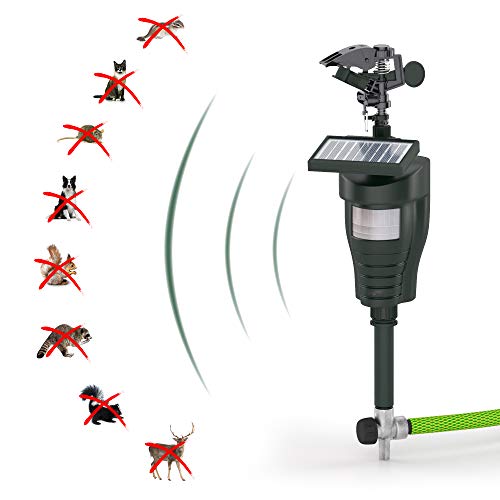
    Orbit Yard Enforcer Motion-Activated Sprinkler - Outdoor Animal Repeller & Lawn Protector - Motion Sensor - Multi-Angle Detection - Weatherproof Dual-Purpose Sprinkler - 62100
    Orbit Yard Enforcer Motion-Activated Sprinkler - Outdoor Animal Repeller & Lawn Protector - Motion Sensor - Multi-Angle Detection - Weatherproof Dual-Purpose Sprinkler - 62100

    Humane Lawn Protection: The Orbit Yard Enforcer Motion-Activated Sprinkler helps guard gardens and lawns from unwanted animals using a motion-activated sprinkler system

    VIEW LATEST PRICE

    As an affiliate, we earn on qualifying purchases.

    Aspect Living Solar Motion-Activated Animal Repellent Sprinkler for Lawn & Garden Water Spray Deterrent for Cats, Dogs, Deer, Squirrels & Skunks
    Aspect Living Solar Motion-Activated Animal Repellent Sprinkler for Lawn & Garden Water Spray Deterrent for Cats, Dogs, Deer, Squirrels & Skunks

    360° Rotatable Sprinkler Head & 120° PIR Motion Detection – Fully adjustable 360° sprinkler head provides wide-area coverage. The PIR sensor detects movement up to 10 m (33 ft) within a 120° detection angle, instantly activating a water spray and flashing light to scare animals away

    VIEW LATEST PRICE

    As an affiliate, we earn on qualifying purchases.

    Havahart Critter Ridder - Motion Activated Animal Repellent Sprinkler for Yard Pest Control, Deters Cats, Dogs, Squirrels, Deer, Raccoons & Rodents, Lawn Protector, Batteries Not Included, 5277
    Havahart Critter Ridder - Motion Activated Animal Repellent Sprinkler for Yard Pest Control, Deters Cats, Dogs, Squirrels, Deer, Raccoons & Rodents, Lawn Protector, Batteries Not Included, 5277

    MOTION DETECTION: Detecting animal heat and movement within 60 feet, as the advanced infrared sensor instantly triggers a startling water spray to effectively repel squirrels, cats, deer, raccoons, and other nuisance pests from your yard

    VIEW LATEST PRICE

    As an affiliate, we earn on qualifying purchases.

    Regular Observation

    Observe your garden frequently. Look for signs of bird activity during different times of the day. Note which fruits are being targeted and the specific bird species involved. This insight allows you to tailor your approach effectively.

    Adjusting Deterrents

    Change your deterrents based on bird behavior. For instance, if reflective objects lose their effectiveness, reposition them or add new ones like shiny aluminum foil strips. Variety keeps birds guessing and enhances effectiveness.

    Use of Motion Sensors

    Install motion sensor devices, such as sprinklers or lights. These activate when birds approach, startling them and increasing deterrent effects. Adjust the settings as needed based on bird adaptability.

    Timing Your Harvest

    Monitor fruit ripening stages closely. As fruits ripen, implement protective measures promptly. Harvesting fruits earlier can also minimize risk while still allowing you to enjoy your crop.

    MUST READ
    Do All Palm Trees Produce Fruit and What You Need to Know About Edible Varieties

    Documenting Progress

    Keep a log of bird activity and the success of different strategies. Note changes in bird numbers, types, and the overall health of your fruit trees. This documentation helps refine your approach over time.

    Engaging Local Audiences

    Consider engaging your community. Sharing experiences with local gardeners can provide new perspectives and ideas. Look for local gardening forums or social media groups for strategies that have worked in similar environments.

    Researching Species-Specific Behavior

    Learn about the specific birds visiting your area. Different species may respond to different deterrents. Tailor your strategies based on such research to enhance your protection plan.

    By consistently monitoring and adjusting your strategies, you effectively protect your fruit harvest. Keep experimenting and adapting to find the methods that work best for you.

    Conclusion

    Protecting your fruit trees from birds doesn’t have to be a daunting task. With a mix of creative deterrents and a little observation you can keep those feathered friends from raiding your harvest.

    Remember to adapt your strategies based on what you notice in your garden. Whether you choose to use physical barriers or natural solutions the goal is to strike a balance that keeps both your fruit and the birds safe.

    Enjoy the process and take pride in the steps you take to nurture your garden. With patience and persistence you’ll be able to savor the fruits of your labor without the worry of pesky birds stealing the show. Happy gardening!

    Frequently Asked Questions

    Why do birds steal fruit from gardens?

    Birds are attracted to fruit trees because they provide a natural food source, shelter, and visibility of colorful, ripe fruits. This makes gardens an appealing target for birds searching for food.

    Which birds commonly damage fruit?

    Common bird species that steal fruit include sparrows, starlings, robins, blue jays, and finches. Each of these birds has a tendency to peck at or consume ripe fruits, causing damage and loss.

    What are effective ways to protect fruit trees from birds?

    To protect fruit trees, use physical barriers like bird netting, employ scare devices such as reflective objects, and consider deterrent products like decoys and sound-emitting devices. These methods can effectively minimize bird interference.

    Can companion planting help deter birds?

    Yes, companion planting with strong-scented herbs like basil and rosemary can mask the scent of ripening fruit, making it less attractive to birds. Offering distractions, such as sunflowers, can also help redirect their attention.

    How can I monitor bird activity in my garden?

    To monitor bird activity, regularly observe your garden and take notes on which birds visit and their feeding habits. Incorporating motion sensor devices and adjusting your deterrents based on behavior can enhance your protection strategies.

    Share. Facebook Twitter Pinterest LinkedIn Tumblr Email
    martha jackson
    Martha Jackson

      Martha Jackson is an accomplished freelance writer and editor with a strong interest in gardening. With a degree in English from the University of California, Berkeley, Martha has over 15 years of experience writing for a variety of publications. She is passionate about making gardening accessible to all and is always seeking out new techniques and innovations.

      Related Posts

      How Long Until Avocado Trees Bear Fruit and Tips for Faster Growth at Home

      February 20, 2025

      What Yellow Fruit Grows on Trees and Their Delicious Health Benefits

      February 20, 2025

      How to Air Layer Fruit Trees: A Step-by-Step Guide for Successful Propagation

      February 20, 2025

      When Do Grapefruit Trees Produce Fruit and How to Maximize Your Harvest

      February 20, 2025

      What Is a Fast Growing Fruit Tree: Discover Quick-Yield Options for Your Garden

      February 20, 2025

      Do Cherry Blossom Trees Have Fruit? Discover the Truth About Their Edibility and Benefits

      February 20, 2025
      Leave A Reply Cancel Reply

      Affiliate Disclosure

      As an Amazon Associate I earn from qualifying purchases.

      Recommended Reading

      Preparing Land for Planting Tangerine Trees: Expert Tips for Successful Cultivation

      Does Costco Have Fruit Trees: Discover the Best Varieties for Your Garden Today

      How to Grow Fruit Trees Espalier: Expert Tips for a Thriving Garden Landscape

      Apple Trees in Reno, NV: High Desert Mountain Advice

      How Does a Kiwi Fruit Grow: A Comprehensive Guide from Planting to Harvesting

      How to Choose the Right Guava Tree Variety

      The Best Fertilizers for Healthy Papaya Trees

      How Often Should You Water Grapes for Optimal Growth and Harvest?

      Copper Fungicide on Pear Trees (Secrets for a Flawless Harvest)

      Jujube Trees in Virginia (Piedmont Regional Growth Guide)

      Fruit Tree Hub

      Fruit Tree Hub is a website dedicated to providing you everything you need to grow fruit trees successfully at in your own yard.

      Contact us at: [email protected]

      - AFFILIATE DISCLOSURE: As an Amazon Associate I earn from qualifying purchases.

      Latest Posts

      Growing Nectarine Trees in Hawaii (Tropical Harvest Secrets)

      Lime Trees in Baton Rouge, LA: Southern Growing Secrets

      Peach Trees in a Pot in Mississippi: Deep South Growth Tips

      Fig Trees in Arizona (Tips for Surviving Desert Heat)

      How to Grow Grapefruit Trees in Arlington, TX: Local Guide

      Fig Trees in Tucson, AZ: Desert Success and Irrigation

      Grapefruit Trees in Colorado Springs, CO: Mountain Advice

      Guava Trees in Pennsylvania (Keystone State Growing Tips)

      Categories
      • Almond Trees
      • Apple Trees
      • Apricot Trees
      • Best Fruit Trees
      • Blackberry
      • Cantaloupe
      • Cherry Trees
      • Crochet Ideas
      • Crochet Ideas for Beginners
      • Cucamelon
      • Easy Crochet Ideas
      • Easy Knitting Projects
      • Fig Trees
      • Grapefruit Trees
      • Grapes
      • Guava Trees
      • Honeydew
      • Jujube Trees
      • Kiwi
      • Knitting For Beginners
      • Knitting Ideas
      • Knitting Inspiration
      • Lemon Trees
      • Lime Trees
      • Loquat Trees
      • Mango Trees
      • Mulberry Trees
      • Nectarine Trees
      • Olive Trees
      • Orange Trees
      • Papaya Trees
      • Peach Trees
      • Pear Trees
      • Persimmon Trees
      • Planting
      • Plum Trees
      • Pomegranate Trees
      • Quince Trees
      • Raspberry
      • Reviews
      • Small Crochet Ideas
      • Star Fruit Trees
      • Summer Crochet Ideas
      • Tamarind Trees
      • Tangerine Trees
      • Tips and Advice
      • Tools
      • Uncategorized
      • Walnut Trees
      © 2026 Fruit Tree Hub
      • Home
      • About Us
      • Contact
      • Privacy Policy
      • Terms and Conditions
      • Disclaimer
      • Editorial Policy
      • Affiliate Disclosure

      Type above and press Enter to search. Press Esc to cancel.