

Have you noticed your peach tree dropping fruit before it’s ripe? It can be frustrating to watch your hard work go to waste. You’re not alone—many gardeners face this issue, and it can stem from several factors.
Understanding why your peach tree is shedding fruit can help you take the right steps to protect your harvest. This article will walk you through the common reasons behind this problem, from environmental stresses to pest issues. By the end, you’ll feel more equipped to nurture your tree and ensure a bountiful crop.
Key Takeaways
- Identify Causes of Fruit Drop: Understand that peach trees can drop fruit due to environmental stress, pest infestations, nutrient deficiencies, or natural thinning.
- Monitor Environmental Conditions: Keep an eye on temperatures and soil moisture to prevent stress that leads to fruit loss—aim for about 1 inch of water weekly.
- Address Nutrient Needs: Regularly test soil and use a balanced fertilizer to ensure your peach tree receives essential nutrients like nitrogen, phosphorus, and potassium.
- Regular Pest Inspections: Inspect trees for signs of pests and diseases. Early detection and treatment can minimize damage and fruit drop.
- Proper Pruning Techniques: Prune wisely in late winter or early spring to promote healthy growth and improve airflow, which can help retain fruit.
- Implement Preventive Care: Use organic methods, such as beneficial insects and mulching, to maintain tree health and enhance fruit retention.
Understanding Peach Tree Fruit Drop
Peach trees dropping fruit before it’s ripe can stem from several factors. Identifying the underlying causes helps you take action quickly.
Environmental Stress
Environmental conditions significantly impact fruit retention. High temperatures, drought, or excessive rain can stress your peach tree.
- Tip: Monitor soil moisture. Ensure the tree gets about 1 inch of water weekly, especially during dry spells.
Nutrient Deficiencies
Nutrient imbalances lead to poor fruit development. Lack of nitrogen, phosphorus, or potassium can cause fruit drop.
- Tip: Test your soil every few years. Use a balanced fertilizer if nutrient levels are low, aiming for a 10-10-10 or similar ratio.
Pests and Diseases
Insects and diseases affect fruit health. Aphids, caterpillars, and fungal infections can weaken the tree, leading to premature fruit drop.
- Tip: Inspect your tree regularly for signs of pests. Use organic pesticides or horticultural oils to mitigate infestations.
Pollination Issues
Poor pollination reduces fruit set. If weather conditions are unfavorable during bloom, pollen may fail to fertilize flowers.
- Tip: Plant companion flowers nearby to attract pollinators. Ensure your tree’s variety matches with others for cross-pollination if needed.
Natural Thinning
Some fruit drop occurs naturally. Trees often drop excess fruit to focus energy on the remaining, healthier fruits.
- Observation: If only a few fruits drop shortly after bloom, this often signals natural thinning. An average fruit set remains healthy.
Improper Pruning
Incorrect pruning habits can impact fruit retention. Heavy pruning or late-season cutting removes potential fruiting wood.
- Tip: Follow proper pruning techniques. Prune in late winter or early spring before the sap starts running.
Weather Events
Unexpected weather events, like late frosts or strong winds, can lead to fruit loss. Protecting your tree helps minimize damage.
- Tip: Use row covers during cold snaps. Prune away damaged limbs after storms to keep the tree healthy.
By understanding these key factors, you can better address the reasons behind your peach tree’s fruit drop, ensuring a healthier harvest.
Common Causes of Fruit Drop
Peach trees dropping fruit can stem from several common issues. Understanding these factors helps you manage your tree’s health effectively.
Recommended Products

Made for Peach Trees - This peach tree fertilizer is formulated specifically to support healthy growth and fruiting in peach trees.

Control diseases and insects in your garden with Captain Jack’s Fruit Tree Spray Concentrate! Use on a variety of listed fruits, nuts and citrus plants.

KILLS LISTED FRUIT & CITRUS TREE INSECTS: Controls Asian Citrus Psyllid, Whiteflies, Aphids Thrips, Citrus Leafminers, Leafhoppers, Blackfly, Mealybugs, Scales, Avocado Lacebugs, Oriental Beetles, Flea Beetles, Sharpshooters, and Spittlebugs
Environmental Factors
High temperatures, drought, and sudden temperature changes stress peach trees, leading to premature fruit drop. Heat stress often occurs when temperatures exceed 90°F (32°C) during fruit development. Likewise, drought conditions can cause trees to conserve water by shedding fruit. Monitor soil moisture closely during dry spells. Additionally, shield your trees from unexpected frosts, especially during flowering. Using row covers or planting in sheltered areas can mitigate these risks.
Pests and Diseases
Pests and diseases significantly impact fruit retention. Aphids, spider mites, and peach tree borers can weaken your tree, causing it to drop fruit. Regularly inspect your tree for signs of these pests. If you notice small holes or discolored leaves, take action promptly. Fungal diseases, like brown rot, can also lead to fruit drop. Maintaining proper airflow through pruning and using fungicides when necessary helps manage these issues. Attract beneficial insects, such as ladybugs, to control pest populations naturally.
Timing of Fruit Drop
Understanding when fruit drop occurs can help you diagnose potential issues with your peach tree. Timing plays a crucial role in identifying whether the shedding is a natural process or a sign of stress.
Recommended Products

Do not plant in a container, only in the ground. All pictures are of fully grown plants. Sizes shipped are in the title and description. Deciduous plants do not have leaves in the winter.

Let our professionally formulated plant food help your fruit tree grow healthy, strong AND abundantly producing

Let our professionally formulated plant food help your fruit tree grow healthy, strong AND abundantly producing
Early Season vs. Late Season
Early season fruit drop often results from environmental stressors, such as high temperatures above 90°F (32°C) or drought conditions. When trees experience such stress in spring, they may drop excess fruit to conserve resources. Ensure consistent soil moisture during this period by watering deeply and regularly.
In contrast, late-season fruit drop may indicate problems like inadequate pollination or nutrient deficiencies. If you notice fruit dropping before it ripens in late summer, inspect for pests or diseases. Regularly checking for signs of insufficient nutrients, like yellowing leaves, can help address these issues.
By monitoring the timing of fruit drop, you can take the necessary steps to improve your peach tree’s health and maximize fruit retention.
Preventive Measures
Taking preventive measures can significantly reduce fruit drop in your peach tree. Careful attention to environmental, nutritional, and pest-related factors ensures a more fruitful harvest.
Recommended Products

Control diseases and insects in your garden with Captain Jack’s Fruit Tree Spray Concentrate! Use on a variety of listed fruits, nuts and citrus plants.
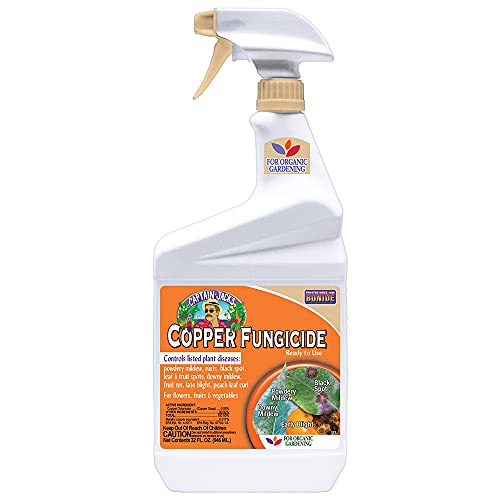
Control fungus and disease in your garden with Captain Jack’s ready-to-use Liquid Copper Fungicide!

TRIPLE PROTECTION FORMULA: 3-in-1 solution kills listed insects, controls listed diseases, and controls listed mites with one easy application
Proper Care and Maintenance
- Water Regularly: Maintain consistent moisture levels, especially during dry periods. Water deeply at least once a week. This lessens stress on the tree.
- Fertilize Appropriately: Use a balanced fertilizer in early spring. Testing soil can help determine nutrient needs, ensuring your tree gets what it requires for healthy growth.
- Mulch: Apply a layer of organic mulch around the base. This retains moisture, regulates temperature, and suppresses weeds, all supporting optimal tree health.
- Prune Wisely: Conduct pruning in late winter or early spring to improve airflow and light penetration. Aim for an open center structure, which aids in fruit development and reduces disease risk.
- Regular Inspections: Inspect your tree frequently for signs of pests, such as irregular leaf or fruit damage. Catching these issues early simplifies treatment.
- Introduce Beneficial Insects: Release predatory insects, like ladybugs or lacewings, to combat aphids and other harmful pests. This maintains a natural balance in your garden.
- Use Organic Pesticides: When necessary, apply organic pesticides to address infestations without harming beneficial insects or the environment. Follow application guidelines for best results.
- Maintain Cleanliness: Clean up fallen fruit and leaves promptly. This reduces the risk of pests and diseases, creating a healthier environment for your tree.
Implementing these measures creates a healthier peach tree and promotes better fruit retention. By addressing care and pest management effectively, you enhance the chances of a bountiful harvest.
Conclusion
Dealing with fruit drop on your peach tree can be frustrating but understanding the reasons behind it is the first step toward a healthier harvest. By paying attention to environmental conditions pests and proper care you can significantly reduce the chances of losing your fruit.
Regular monitoring and proactive measures will go a long way in nurturing your tree. With a little patience and effort you’ll be on your way to enjoying a bountiful peach crop. Keep caring for your tree and soon enough you’ll be rewarded with delicious peaches to savor.
Frequently Asked Questions
Why do my peach trees drop fruit before they ripen?
Peach trees may drop fruit prematurely due to environmental stresses like high temperatures, drought, or unexpected weather changes. Other factors include pest infestations, nutrient deficiencies, and poor pollination. Monitoring these variables can help mitigate fruit drop.
How can I prevent my peach trees from losing fruit?
To prevent fruit loss, ensure your trees receive consistent soil moisture, use balanced fertilizers, apply organic mulch, and practice proper pruning. Regularly inspect for pests and maintain cleanliness around the tree to minimize disease risks.
What role do pests play in fruit drop?
Pests like aphids can stress peach trees and lead to fruit drop. Invasive pests can affect tree health, so regular inspections and introducing beneficial insects can help keep pest populations in check.
How do environmental conditions affect peach fruit retention?
High temperatures (over 90°F) and drought stress can cause peach trees to drop fruit to conserve resources. Keeping trees hydrated and protected from extreme weather can improve fruit retention.
What should I do if my peach trees are not pollinating well?
If pollination seems poor, consider attracting pollinators by planting flowers nearby. Additionally, hand pollination can help improve fruit set, especially in areas with low insect activity.
When is the critical time to monitor fruit drop?
Monitoring fruit drop is crucial during the early season, as this often highlights issues with environmental stresses. Late-season drop may indicate pollination problems or nutrient deficiencies, signaling the need for corrective actions.
How does pruning affect fruit development?
Proper pruning enhances airflow and sunlight penetration, promoting healthy fruit growth and reducing disease risks. However, improper pruning can stress the tree and lead to increased fruit drop, so it’s essential to practice careful techniques.
Is it normal for peach trees to drop some fruit?
Yes, some fruit drop is natural, particularly during early development when trees thin their fruit. This process, known as natural thinning, helps trees allocate resources efficiently and can ultimately lead to healthier fruits.
