

Have you ever admired the stunning beauty of cherry blossom trees and wondered if they produce fruit? You’re not alone. Many people are captivated by these delicate pink flowers, but the question of whether they bear fruit often lingers in the back of their minds.
Understanding the fruiting habits of cherry blossom trees can help you appreciate them even more. Whether you’re a gardening enthusiast or just curious about nature, this article will clarify what happens after those breathtaking blooms fade. You’ll discover the surprising truths about cherry blossoms and their fruit, making your next stroll through a cherry grove even more enjoyable.
Key Takeaways
- Cherry blossom trees, primarily valued for their beautiful flowers, do produce small fruits, but these are often bitter and not suitable for eating.
- Common ornamental varieties include the Yoshino cherry, Japanese cherry, and Kwanzan cherry, each showcasing unique bloom characteristics.
- While some cherry trees (like sweet cherries) yield delicious, edible fruit, ornamental cherry blossom trees focus mainly on aesthetic appeal.
- Proper care for cherry blossom trees involves regular watering, appropriate pruning, and fertilization, ensuring healthy growth and vibrant flowers.
- Cherry blossom trees hold significant cultural value, particularly in Japan, where festivals celebrate their fleeting beauty, and in the U.S., particularly during the National Cherry Blossom Festival in Washington, D.C.
Overview of Cherry Blossom Trees
Cherry blossom trees, primarily cultivated for their stunning flowers, belong to the Prunus genus. Common varieties include the Yoshino cherry (Prunus x yedoensis) and the Japanese cherry (Prunus serrulata). These trees are famed for their breathtaking blooms that signal the arrival of spring.
Characteristics
Cherry blossom trees typically grow to heights of 15 to 25 feet. Their flowers vary in color, ranging from pure white to pale pink. Flowering periods vary, with blooms lasting from a few days to a couple of weeks. These trees thrive in well-drained soil and require full sun exposure for optimal growth.
Fruiting Habits
While cherry blossom trees produce small fruits, known as cherries, the focus lies on their ornamental value rather than fruit production. The fruit is often bitter and unsuitable for consumption. Some varieties, like the sweet cherry (Prunus avium), yield edible cherries but are distinct from ornamental cherry blossom trees.
Care and Maintenance
Proper care ensures healthy cherry blossom trees.
- Watering: Regular watering during dry spells promotes growth.
- Pruning: Prune in late summer or early fall to maintain shape and enhance air circulation.
- Fertilizing: Use a balanced fertilizer in early spring to support growth.
Popularity and Cultural Significance
Cherry blossom trees hold cultural significance in various countries. In Japan, sakura (cherry blossom) festivals celebrate the fleeting beauty of these trees. In the U.S., they are prominently featured in Washington, D.C., where thousands of visitors admire the National Cherry Blossom Festival each spring.
Overall, cherry blossom trees captivate with their aesthetics, making them popular choices for parks and gardens.
Characteristics of Cherry Blossom Trees
Cherry blossom trees boast unique traits that make them stand out. Their stunning flowers and specific growth requirements define their remarkable presence in gardens and parks.
Features of Cherry Blossom Varieties
Cherry blossom varieties display distinct characteristics. Common types include:
- Yoshino Cherry: Known for its white to pale pink flowers. This type is popular for its abundant blooms.
- Japanese Cherry: Features double-petaled flowers that create a plush appearance. These varieties offer a more ornate look.
- Kwanzan Cherry: Recognizable by its vibrant pink blooms. This variety adds a bold color element to any landscape.
Each variety has a specific flowering period. Generally, you can expect blooms between March and April, though this may vary based on climate.
Growth Conditions for Cherry Blossoms
Cherry blossom trees thrive under certain conditions. Key requirements include:
- Sunlight: Full sun exposure is essential for healthy growth. Aim for at least 6 hours of direct sunlight daily.
- Soil: Well-draining soil is crucial to prevent root rot. Slightly acidic to neutral pH levels work best.
- Watering: Regular watering maintains moisture without waterlogging. Aim for deep watering every week, especially during dry spells.
Meeting these conditions fosters healthy cherry blossom trees that can flourish for decades, adding beauty to your landscape.
Fruit Production in Cherry Blossom Trees
Cherry blossom trees offer both beauty and curiosity when it comes to fruit production. Understanding their fruiting habits enhances your appreciation for these stunning trees.
Recommended Products

[Lush Double Blooms in Mixed Shades] Produces clusters of fully double flowers with 10-30 petals per bloom. Flowers appear in a range of shades from soft pink to rich rose. Each branch becomes covered in cascading floral clusters.
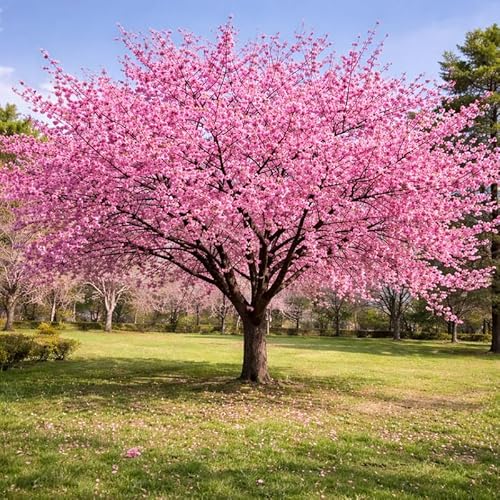
WHAT YOU WILL RECEIVE: 1 Cherry blossom tree live plant approximately 6 - 10 inches tall, prepared for transplanting into garden soil or outdoor containers

For sale is one Weeping Cherry tree that is approximately 6-12" tall and shipped in a 3" pot
Types of Cherry Blossom Trees
Various types of cherry blossom trees exist, each with unique characteristics. Common varieties include:
- Yoshino Cherry (Prunus x yedoensis): Known for its pale pink flowers, this variety blooms in early spring and grows quickly.
- Japanese Cherry (Prunus serrulata): Features deep pink blossoms and thrives in various climates, making it a popular choice in gardens.
- Kwanzan Cherry (Prunus serrulata ‘Kwanzan’): Characterized by double flowers, this variety provides a dense burst of pink during its flowering period.
Each type showcases distinct aesthetics and growth patterns, adding diversity to your garden or park.
Do Cherry Blossom Trees Produce Fruit?
Cherry blossom trees do produce fruit, but their primary purpose remains ornamental. The small, round fruits, called cherries, may appear after flowering. However, these fruits are often bitter and not suitable for eating. Some ornamental varieties, like the Yoshino cherry, yield fruits that can be unpalatable.
In contrast, sweet cherry trees, such as the Bing or Rainier, provide delicious, edible cherries. These are distinct from ornamental cherry blossom trees, which primarily focus on their beautiful blooms. Remember, while you may encounter small cherries on ornamental trees, don’t expect a fruit harvest like you would from a fruit-bearing cherry tree.
Edible Varieties of Cherry Trees
Certain cherry trees produce edible fruit, opening up delightful options for those interested in gardening or fruit harvesting.
Recommended Products
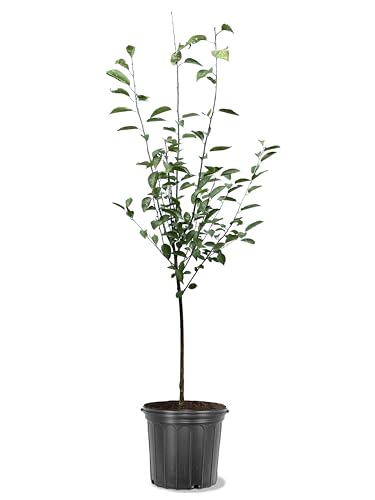
Cherry Tree 'Stella' Semi-Dwarf – Produces large, deep red cherries with a sweet, rich flavor and firm texture, perfect for fresh eating, baking, and preserves.

Cherry Tree 'Rainier Sweet' Semi-Dwarf – Yields large, golden-yellow cherries with a red blush, prized for their exceptionally sweet, low-acid flavor and crisp texture.

Exceptionally Flavored Cherries - Sweetheart cherries offer a rich, balanced sweetness with firm, juicy flesh, making it ideal for fresh eating, baking, and preserving
Popular Fruit-Producing Cherry Trees
- Sweet Cherry (Prunus avium): This variety thrives in temperate regions and produces large, sweet cherries ideal for eating fresh. Examples include ‘Bing’ and ‘Rainier’ cherries, celebrated for their rich flavors and vibrant colors.
- Sour Cherry (Prunus cerasus): Known for its tartness, this variety is perfect for baking and preserves. Varieties like ‘Montmorency’ are popular for making pies and jams, widely appreciated in culinary uses.
- Lambert Cherry (Prunus avium ‘Lambert’): This sweet cherry type yields dark red fruit with a rich flavor. It’s resistant to cracking and is often favored by home gardeners for its robust characteristics.
- Early Richmond Cherry (Prunus cerasus ‘Early Richmond’): This sour cherry variety fruits early in the season, offering tart cherries excellent for making preserves and pies. It’s valued for its hardiness and reliable production.
- Purpose: Ornamental cherry trees focus on stunning flowers, while edible varieties emphasize fruit production. Expect ornamental trees like the Yoshino cherry to provide beautiful blooms, but not flavorful fruit.
- Fruit Quality: Edible cherry trees produce larger, sweeter fruits suitable for consumption, whereas ornamental types yield smaller, often bitter cherries. Edible varieties are bred for taste, while ornamental varieties prioritize aesthetics.
- Cultivation: Gardening practices differ, as fruit-producing trees require dedicated care for healthy fruit development. Ornamental trees typically demand less maintenance regarding fruit-bearing, with care focused on flower health.
- Examples: Popular ornamental varieties include the Kwanzan and Japanese cherry, famed for their spectacular blooms. In contrast, sweet and sour cherries stand out as beloved fruit-bearing types in gardens and orchards.
Conclusion
Cherry blossom trees are a stunning addition to any garden or park with their breathtaking blooms and cultural significance. While they do produce small cherries, these aren’t the sweet fruits you might expect. Instead they’re more about the beauty and joy they bring during their flowering season.
If you’re looking to enjoy cherries, consider planting a fruit-bearing variety instead. But remember the charm of cherry blossoms lies in their fleeting beauty. So next time you see these lovely trees, take a moment to appreciate their unique role in nature.
Frequently Asked Questions
Do cherry blossom trees produce fruit?
Yes, cherry blossom trees do produce small fruits, known as cherries. However, these fruits are often bitter and unsuitable for consumption. The primary focus of cherry blossom trees is their ornamental beauty rather than fruit production.
What are the main types of cherry blossom trees?
Common varieties of cherry blossom trees include the Yoshino cherry, Japanese cherry, and Kwanzan cherry. Each variety has unique flowering periods and visual traits, making them popular choices for gardens and parks.
Are all cherry trees edible?
No, not all cherry trees are edible. Ornamental cherry blossom trees primarily focus on stunning flowers, while varieties like sweet and sour cherries are bred for fruit production. Edible varieties yield larger, tastier cherries.
How do I care for a cherry blossom tree?
To care for cherry blossom trees, ensure they receive full sun exposure, water them regularly, and use a balanced fertilizer in early spring. Pruning in late summer or early fall also promotes healthy growth.
Why are cherry blossoms significant in culture?
Cherry blossoms hold cultural significance in various countries, especially in Japan, where sakura festivals celebrate their fleeting beauty. In the U.S., they are featured prominently in the National Cherry Blossom Festival in Washington, D.C.
