

Are your fruit trees under threat from pesky rodents? You’re not alone. Many gardeners face the same challenge, watching in frustration as these little critters munch on their hard-earned harvest.
Key Takeaways
- Understand Rodent Threats: Recognize the types of rodents that target fruit trees, such as rats, mice, squirrels, and voles, to implement effective protection strategies.
- Identify Infestation Signs: Early detection is crucial. Look for gnaw marks, droppings, burrows, nests, and damaged fruit to monitor rodent activity.
- Implement Physical Barriers: Use tree guards, no-mow zones, and rolling boars to create physical deterrents against rodent access to your fruit trees.
- Create an Uninviting Environment: Regularly remove debris, control vegetation, and secure compost to make your garden less appealing to rodents.
- Utilize Trapping and Deterrents: Employ various traps, such as snap, live, and electronic traps, along with natural repellents like predator urine and essential oils to manage rodent populations.
- Maintain Regular Monitoring: Conduct weekly inspections during rodent activity seasons and prepare your trees for seasonal changes to ensure ongoing protection against rodents.
Understanding Rodent Threats to Fruit Trees
Rodents pose a significant threat to fruit trees by damaging bark, roots, and fruit. Identifying the types of rodents and recognizing the signs of infestation helps you protect your trees effectively.
Common Rodent Species
Several rodent species tend to target fruit trees, including:
- Rats: These large rodents often chew on bark and roots, causing serious damage.
- Mice: Small and agile, mice can fit through tiny openings and nibble on young fruit.
- Squirrels: Known for stealing fruit, squirrels can also damage trees while climbing.
- Voles: These small, burrowing rodents chew on roots and can severely weaken tree health.
Knowing which species threatens your trees helps in selecting proper control methods.
Signs of Rodent Infestation
Detecting rodent infestation early is crucial. Look for these signs:
- Gnaw Marks: Chewed bark or fruit indicates rodent activity.
- Droppings: Small feces near your trees signals a rodent presence.
- Burrows: Holes in the ground or around tree bases point to burrowing rodents like voles.
- Nests: Look for nests made from shredded material close to your trees.
- Fruit Damage: Missing or partially eaten fruit suggests squirrels or mice have been foraging.
Monitoring these signs enables you to take action promptly and protect your fruit trees from rodent threats.
Effective Prevention Strategies
You can use several effective strategies to safeguard your fruit trees from rodent damage. By implementing these methods, you can create a protective environment for your trees.
Recommended Products

【15.7x2.2inches Young Tree Guard Protector Sleeve】 Our corrugated Tree Trunk Protector can effectively protect your trees, flowers, vegetables and saplings, prevent animals from gnawing on plant Trunk and Bark, and also help to protect stems and trunks from lawn and garden equipment. (PS: When use, Please separate the two overlapping Corrugated Tree Guards)

Easy to install - 6 tree trunk protectors, flexible mesh bark protectors/guards.Individual Unit is 8 inches tall and 13 inches wide with a 4 inches I.D.

🛡️ HEAVY DUTY TREE TRUNK PROTECTOR & BARK SHIELD: 86"x16" transparent PVC wrap creates a smooth physical barrier that guards tree trunks against iguanas, raccoons, and climbing animals. The slippery surface discourages animals from reaching fruit, branches, or bird feeders. Recommended for fruit trees, palm trees, posts, and poles where animal climbing is a concern.
Physical Barriers
Install physical barriers around your fruit trees to deter rodents.
- Tree Guards: Use hardware cloth or metal mesh to cover the trunks of young trees. Ensure the guard wraps around the trunk at least 3 feet high to prevent climbing.
- Ground Barriers: Create a no-mow zone around your trees. Grass and weeds can hide rodents, so keep a 3-foot radius clear of vegetation.
- Rolling Boars: Consider using rolling boars around the base of trees. These simple devices rotate when rodents try to climb, preventing them from reaching the bark.
Creating an Uninviting Environment
You can make your garden less attractive to rodents with some straightforward practices.
- Remove Debris: Clean up fallen fruit, nuts, and debris regularly. Rodents are likely to be drawn to easy food sources.
- Control Vegetation: Trim overgrown shrubs or plants. Dense ground cover can offer hiding spots and nesting areas for rodents.
- Securing Compost: If you maintain a compost pile, keep it enclosed. Rodents may find food scraps appealing, so make compost bins rodent-proof.
By using physical barriers and creating an uninviting environment, you’ll strengthen your fruit trees’ protection against rodent threats.
Trapping and Deterrents
Trapping and using deterrents effectively reduce rodent threats to your fruit trees. These methods encourage the preservation of your crops while minimizing rodent activity.
Recommended Products

GET RID OF RODENTS: This Victor electronic rat trap delivers a high-voltage shock to quickly eliminate rats, with the no-touch disposal system providing a humane and effective solution for indoor pest control

ELIMINATE MICE: Victor electronic mouse traps deliver a humane, high-voltage shock that quickly eliminates mice. The advanced smart circuit technology senses when a mouse enters the tunnel, triggering the system to deliver a shock
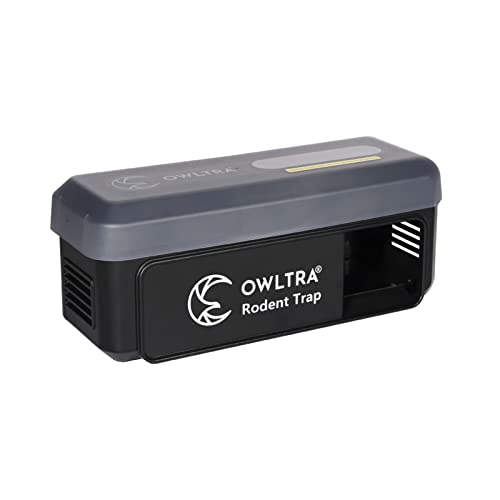
The Humane Solution - This one pack OWLTRA indoor/outdoor rodent trap is a humane method for controlling populations of mice and rats, with a large interior size (11" x 4.33" x 3.9") and a trap entrance aperture of approximately 2.6 inches wide (too small for adult cats and most small dogs). Powered by 4 D batteries (eliminates up to approximately 60 rodents per set) or by USB cord as alternative power source.
Types of Traps
- Snap Traps: Snap traps quickly kill rodents on contact. Set them near fruit trees where you’ve noticed signs of rodent activity. Use bait like peanut butter or sunflower seeds for best results. Ensure traps are positioned securely and out of reach of pets and children.
- Live Traps: Live traps capture rodents alive for relocation. Place these traps in areas of high activity. Check them daily to prevent stress or suffering for captured animals. Relocate them at least a mile away from your property to prevent return.
- Glue Traps: Glue traps capture rodents on adhesive surfaces. Use them in enclosed spaces to ensure safety for non-target animals. Remember to check these traps frequently, as captured rodents can suffer without timely removal.
- Electronic Traps: Electronic traps kill rodents using a high-voltage shock. These traps offer a clean solution and remove the need for contact with dead animals. Position them in high-traffic areas for maximum effectiveness.
- Predator Urine: Use coyote or fox urine as a natural repellent. Apply it around the base of trees to mimic predator presence, deterring rodents. Reapply regularly, especially after rain.
- Essential Oils: Oils like peppermint or eucalyptus repel rodents. Mix a few drops with water and spray around the tree trunk. This method is safe and pleasant-smelling, making it ideal for gardens.
- Garlic and Hot Pepper: Create a spray from garlic and hot pepper flakes. Dilute in water and apply around your trees. The strong smell and flavor deter rodents effectively.
- Physical Barriers: Consider placing crushed eggshells or diatomaceous earth around the base of trees. These textures irritate rodents’ paws and discourage them from approaching your trees.
Implementing these methods will enhance your ability to protect fruit trees from rodent damage effectively.
Chemical Solutions
Chemical solutions can effectively manage rodent populations threatening your fruit trees. While using these products, prioritize safety for yourself, your trees, and the surrounding ecosystem.
Recommended Products

RAT AND MOUSE BAIT STATION: Tomcat Rat & Mouse Killer, Child & Dog Resistant, Refillable Station is a reusable rat and mouse bait station with bait block refills that each kill up to 3 rats (based on no-choice laboratory testing)

KILLS MICE EFFECTIVELY: Tomcat Mouse Killer, Child & Dog Resistant, Disposable Stations use mouse bait blocks to tackle your mouse problem; each block kills up to 12 mice (based on no-choice laboratory testing)

KILLS MICE EFFECTIVELY: Tomcat Mouse Killer, Child & Dog Resistant, Refillable Station contains a reusable bait station plus 8 bait block refills that each kill up to 12 mice for easy pest control (based on no-choice laboratory testing)
Safe Rodenticides
Safe rodenticides target specific rodent populations while minimizing risks to non-target species. Look for products containing active ingredients like bromadiolone or diphacinone. These compounds cause internal bleeding in rodents after ingestion and usually require multiple feedings. This reduces the chance of immediate poisoning of other animals. Always choose rodenticides labeled for outdoor use in fruit trees.
- Read the Label: Review all safety instructions on the product. Understand the dosage, application methods, and safety precautions specific to your area.
- Strategic Placement: Place bait stations close to signs of rodent activity, like droppings or gnaw marks. Position stations near the base of trees or in burrow entrances.
- Use Protective Gear: Wear gloves when handling rodenticides to prevent skin contact. Consider wearing a mask if working with powdered forms.
- Secure Stations: Ensure bait stations are tamper-resistant to protect pets and non-target wildlife. Check bait stations regularly, refilling as needed and removing any uneaten bait.
- Monitor Results: Keep track of any rodent activity over time. Look for signs of reduced populations to determine the effectiveness of your chosen treatments.
Using these safe chemical solutions responsibly can help you protect your fruit trees from rodent damage while maintaining a safe environment.
Maintenance and Monitoring
Regular maintenance and monitoring are essential for keeping your fruit trees safe from rodents. By staying vigilant, you can quickly identify and address any rodent problems that arise.
Regular Inspections
Inspect your fruit trees frequently for signs of rodent activity. Look for gnaw marks on the bark, droppings around the base, or burrows near the roots. Check the surrounding area for nests or any unusual fruit damage that may indicate rodent presence. Conduct these inspections weekly during peak rodent activity seasons, typically in spring and fall. Early detection allows you to take action before serious damage occurs.
Seasonal Preparations
Prepare your fruit trees for seasonal changes. Before winter sets in, remove all fallen fruit and gather any debris around the tree base to eliminate rodent hiding spots. In late summer or early fall, assess your tree guards. Ensure they’re intact and free from damage. Apply protective wraps or mesh to the trunks as extra precaution against infestations during cold months. Regularly clear away overgrown vegetation and tall grass that can provide cover for rodents.
Conclusion
Protecting your fruit trees from rodents doesn’t have to be a daunting task. By staying vigilant and implementing a mix of preventative measures and monitoring strategies, you can create a safe haven for your trees. Regular inspections and maintaining a tidy environment will go a long way in keeping those pesky critters at bay.
Remember to tailor your approach based on the specific rodents in your area. Whether it’s using physical barriers or natural deterrents, every little effort counts. With a proactive mindset and a bit of dedication, you’ll enjoy a bountiful harvest free from rodent damage. Happy gardening!
Frequently Asked Questions
What rodents are commonly found damaging fruit trees?
Rodents such as rats, mice, squirrels, and voles are the most common pests that target fruit trees. They can cause significant damage to the bark, roots, and fruits of the trees.
How can I tell if my fruit trees are infested with rodents?
Look for signs like gnaw marks on bark, droppings near the tree, burrows in the ground, nests in close proximity, and damage to the fruit. Regular inspections during peak activity seasons are crucial.
What are effective prevention strategies against rodents?
To prevent rodent damage, install physical barriers like tree guards, create no-mow zones, and use rolling boars to deter climbing rodents. Keep the area clean by removing debris and controlling surrounding vegetation.
What types of traps can I use for rodents?
Effective traps include snap traps, live traps, glue traps, and electronic traps. Each type has specific usage instructions to ensure successful rodent control while maintaining safety.
Are there natural deterrents for rodents?
Yes, natural deterrents include predator urine, essential oils, and homemade sprays made from garlic and hot pepper. Additionally, physical barriers like crushed eggshells can irritate rodents’ paws.
What are safe chemical solutions for rodent control?
Safe rodenticides that target specific species include bromadiolone and diphacinone. Always read labels, use protective gear, and secure bait stations to protect non-target wildlife when applying them.
How often should I inspect my fruit trees for rodent activity?
Regular inspections should be conducted, particularly during peak activity seasons in spring and fall. Check for signs like gnaw marks and droppings, and ensure that barriers are intact.
What seasonal preparations can help protect fruit trees?
To protect fruit trees during winter, remove fallen fruits and debris, check tree guards, and clear overgrown vegetation. This reduces potential hiding spots and limits rodent access to the trees.
