

Have you ever dreamed of plucking fresh bananas right from your own backyard? If you’ve got a banana tree but it’s not producing fruit, you’re not alone. Many gardeners face this frustrating situation, wondering what they might be missing.
Key Takeaways
- Understanding Types of Banana Trees: Familiarize yourself with common types like Cavendish, Dwarf Cavendish, Red Banana, and Plantain to choose the right variety for your climate and needs.
- Optimal Growing Conditions: Ensure banana trees receive full sunlight for at least 12 hours, maintain well-draining soil with a pH of 5.5 to 7.0, and keep them hydrated but not waterlogged.
- Temperature Requirements: Banana trees thrive in warm, humid environments, ideally between 75°F and 95°F (24°C to 35°C). Protect them from temperatures below 50°F (10°C) to ensure fruit production.
- Regular Fertilization: Use a balanced fertilizer high in potassium every 6-8 weeks during the growing season to promote healthy growth and enhance fruit yield.
- Pest and Disease Management: Regularly inspect for pests and diseases, using methods like neem oil and crop rotation to safeguard plants and boost fruit production.
- Consistent Care and Maintenance: Implement proper watering, fertilization, and care techniques to support healthy banana trees and increase their chances of bearing fruit.
Understanding Banana Trees
Banana trees, though often referred to as trees, are technically large herbaceous plants. They thrive in tropical and subtropical climates and require specific conditions for optimal growth and fruit production.
Types of Banana Trees
You’ll find various types of banana trees, each suited to different climates and purposes. Key types include:
- Cavendish Banana: The most common type grown for commercial purposes. It’s the one you see in most grocery stores.
- Dwarf Cavendish: A smaller variety that produces fruit quickly, ideal for home gardeners with limited space.
- Red Banana: Known for its reddish-purple skin and sweet, creamy fruit. This type offers a unique twist on the classic banana flavor.
- Plantain: More starchy and less sweet, plantains require cooking before consumption and are staples in many cuisines.
Choosing the right type depends on your local climate and how you plan to use the fruit.
Growing Conditions for Banana Trees
To encourage your banana tree to produce fruit, focus on the following growing conditions:
- Sunlight: Ensure your banana tree receives full sunlight for at least 12 hours a day.
- Soil: Use well-draining soil rich in organic matter. Aim for slightly acidic to neutral pH levels, between 5.5 and 7.0.
- Watering: Keep the soil consistently moist but not waterlogged. Water deeply at least once a week, adjusting for rainfall.
- Temperature: Maintain temperatures between 75°F and 95°F (24°C to 35°C) for optimal growth. Protect the plant from frost.
- Fertilization: Use a balanced fertilizer every 6-8 weeks during the growing season. Look for formulas high in potassium to boost fruit production.
Following these conditions enhances your chances of getting your banana tree to bear fruit.
Factors Affecting Fruit Production
Several factors impact the fruit production of banana trees. Focusing on these elements can enhance your chances of growing bananas successfully.
Recommended Products
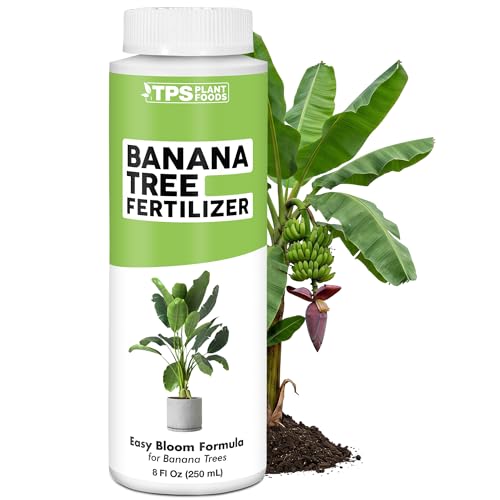
Made for Banana Trees – Specially formulated banana fertilizer designed to support the nutrient needs of banana plants.

PREMIUM FUEL LIQUID FERTILIZER: Wellspring Gardens Banana Fuel Liquid Fertilizer Concentrate provides a quality nutrient blend with minor elements that could grow your plants. Its 3-1-6 formula ratio is the ideal fertilizer ration according to University of Florida which is what our product is made of.

2X MORE VALUE: The 16 oz bottle of Banana Plant Fertilizer makes 16 gallons of banana fertilizer for fruit trees, while the bigger size 32 oz bottle makes 32 gallons for lasting care of your banana trees.
Climate Requirements
Banana trees thrive in warm, humid conditions. Optimal growth occurs in temperatures between 75°F and 95°F (24°C to 35°C). Protect your tree from cold weather; temperatures below 50°F (10°C) can stunt growth and affect fruiting. If you’re in a cooler climate, consider planting your tree in a greenhouse or using frost cloths during chilly nights.
Soil Nutrition and Quality
Quality soil plays a vital role in fruit production. Banana trees prefer well-draining, loamy soil rich in organic matter. Aim for a soil pH between 5.5 and 7.0. Regular compost additions boost nutrient levels, promoting healthy growth. Monitor nutrient balance by testing your soil. High potassium levels are crucial for fruit development, so consider using a potassium-rich fertilizer. Always ensure adequate drainage to prevent root rot, a common issue that can hinder fruit production.
Care and Maintenance
Caring for your banana tree requires attention to watering and fertilization. Proper techniques in these areas support growth and encourage fruit production.
Recommended Products
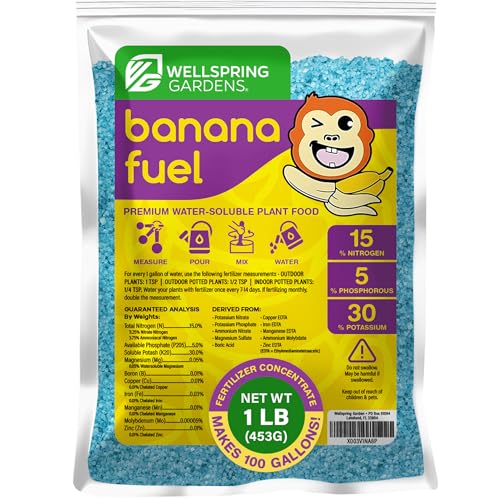
PREMIUM WATER SOLUBLE FERTILIZER: Wellspring Gardens Banana Fuel Fertilizer provides a water-soluble and high-quality nutrient blend with minor elements to promote optimal growth for your banana plants. Its premium 15-5-30 blend ensures that your banana plants are healthy and happy.

Let our professionally formulated plant food help your fruit tree grow healthy, strong AND abundantly producing

Let our professionally formulated plant food help your fruit tree grow healthy, strong AND abundantly producing
Watering Techniques
Water your banana tree consistently to maintain moist, well-drained soil. Watering deeply once or twice a week is ideal, especially during dry spells. During peak growing seasons, check the soil’s moisture every few days. If the top inch feels dry, it’s time to water. In tropical climates, ensure adequate drainage to prevent root rot. Use mulch around the base to retain moisture and regulate soil temperature.
Fertilization Strategies
Fertilize your banana tree regularly to promote healthy growth and fruiting. Use a balanced fertilizer high in potassium, such as 8-10-10 or 10-10-20, applied every 6-8 weeks during the growing season. Alternatively, mix organic fertilizers, such as compost or well-rotted manure, into the soil. Monitor the tree for signs of nutrient deficiencies, such as yellowing leaves, which indicate a need for additional nutrients. Adjust your fertilizer application based on the tree’s growth and health to optimize fruit production.
Common Issues and Solutions
Banana trees encounter several challenges that can hinder fruit production. Knowing common issues and their solutions can help you maintain healthy plants and encourage abundant fruiting.
Recommended Products
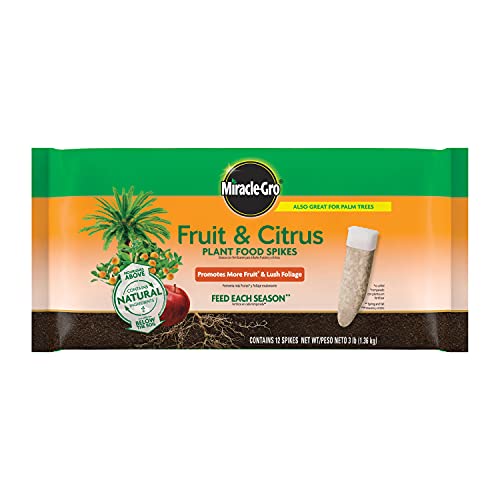
FORMULATED FOR CITRUS AND FRUIT TREES: Use these citrus fertilizer spikes on apple, orange, lemon, lime, and avocado trees; this formula is also great for feeding palm trees
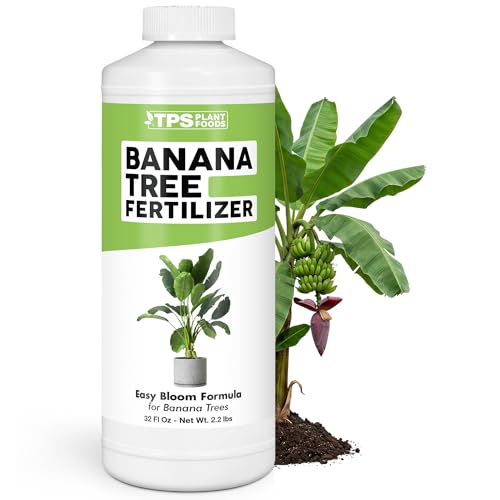
Made for Banana Trees – Specially formulated banana fertilizer designed to support the nutrient needs of banana plants.

Package contains 4 Pounds organic fruit and citrus fertilizer grains and is produced to avoid wasteful runoff, mess, hazards and smells
Pest Management
Pests can damage banana trees and reduce the yield of fruit. Common pests include aphids, spider mites, and banana weevils. To manage these pests effectively:
- Inspect Regularly: Check your plants weekly for signs of pest activity, such as discoloration or webbing.
- Use Neem Oil: Apply neem oil to affected areas to deter pests while being gentle on the plants.
- Encourage Beneficial Insects: Introduce ladybugs and lacewings that naturally prey on harmful pests.
- Remove Infestations: Hand-pick larger pests off the leaves and dispose of them.
Disease Prevention
Diseases can significantly affect banana trees and their fruit production. Common diseases include Fusarium wilt and Black Sigatoka. Preventing these diseases involves:
- Choosing Resistant Varieties: Select disease-resistant banana varieties to reduce the risk of infection.
- Maintain Good Airflow: Space plants adequately to promote airflow, preventing fungal growth.
- Practice Crop Rotation: Rotate crops if planting more than one type of crop in the same area, reducing disease prevalence in the soil.
- Sanitize Tools: Clean gardening tools regularly to avoid spreading diseases between plants.
By identifying and addressing these common issues with actionable solutions, you can enhance the productivity of your banana trees and enjoy a more fruitful harvest.
Conclusion
Getting your banana tree to produce fruit can be a rewarding journey. By providing the right conditions and care you can nurture your tree into a healthy fruit-bearing plant. Remember to keep an eye on sunlight soil quality and moisture levels while also being proactive about pest and disease management.
With patience and attention to detail you’ll soon be enjoying the sweet fruits of your labor. So roll up your sleeves and get ready to watch your banana tree thrive and eventually reward you with delicious bananas right from your backyard. Happy gardening!
Frequently Asked Questions
Why is my banana tree not producing fruit?
Banana trees may not produce fruit due to insufficient sunlight, poor soil quality, or improper watering. Ensure they receive full sun, grow in well-draining soil, and maintain consistent moisture for optimal fruiting.
What conditions do banana trees need to thrive?
Banana trees thrive in warm, humid climates with temperatures between 75°F and 95°F (24°C to 35°C). They require full sunlight, well-draining, loamy soil, and regular watering and fertilization to promote healthy growth.
How often should I water my banana tree?
Water your banana tree consistently, aiming for deep watering once or twice a week, especially during dry periods. Check soil moisture every few days during the peak growing season to ensure it remains moist but well-drained.
What type of fertilizer is best for banana trees?
A balanced fertilizer high in potassium is best for banana trees. Apply it every 6-8 weeks during the growing season, or mix organic fertilizers into the soil to boost nutrient levels and encourage fruit production.
How can I prevent pests on my banana tree?
To prevent pests like aphids and spider mites, regularly inspect your plants. Use neem oil for treatment, encourage beneficial insects, and hand-pick larger pests. Keeping your plants healthy also helps deter infestations.
What diseases affect banana trees?
Common diseases include Fusarium wilt and Black Sigatoka. To prevent these, choose disease-resistant varieties, maintain good airflow around plants, practice crop rotation, and sanitize tools to reduce disease spread.
Can banana trees survive cold weather?
Banana trees struggle in cold weather, particularly at temperatures below 50°F (10°C). Protect them from cold drafts and consider covering them during chilly nights to prevent stunted growth and potential damage.
What type of soil is best for banana trees?
Banana trees prefer well-draining, loamy soil rich in organic matter, with a pH of 5.5 to 7.0. Regularly amend the soil with compost to ensure it retains nutrients necessary for healthy fruit production.
