

If you've noticed leaves falling from your quince tree, you might be wondering if it's normal or a cause for concern. Many quince tree owners have the same question. Understanding why leaves drop is important for keeping your trees healthy.
Stick around, and we'll explain what's typical and what might need attention.
Key Takeaways
- Seasonal changes and drought can cause natural leaf drop in quince trees.
- Nutrient deficiencies, particularly nitrogen, phosphorus, and potassium, can lead to excessive leaf drop and should be addressed.
- Pest infestations, such as aphids or spider mites, can also cause leaf drop and require regular inspection and treatment.
- Abnormal leaf drop, such as a high rate of shedding or premature yellowing and browning, should be investigated promptly and appropriate actions taken to prevent further damage.
Common Reasons for Leaf Drop in Quince Trees
If your quince tree is shedding its leaves, it may be due to several common reasons that are worth investigating.
Seasonal changes can cause natural leaf drop, especially in the fall or during periods of drought. However, if the leaf drop seems excessive or happens at other times of the year, it could indicate nutrient deficiencies. Make sure your tree is receiving adequate nutrients, particularly nitrogen, phosphorus, and potassium.
Pest infestations, such as aphids or spider mites, can also lead to leaf drop. Regularly inspect your tree for signs of pests and treat accordingly.
Additionally, improper watering habits, like overwatering or underwatering, can stress the tree and result in leaf drop. Ensure your quince tree is receiving the right amount of water for its needs to prevent unnecessary leaf shedding.
Recommended Products

Produce abundant and vibrant fruit and blooms! This product works by strengthening your plant's roots to increase nutrient uptake… enabling it to bloom and produce like you've never seen!

Let our professionally formulated plant food help your fruit tree grow healthy, strong AND abundantly producing
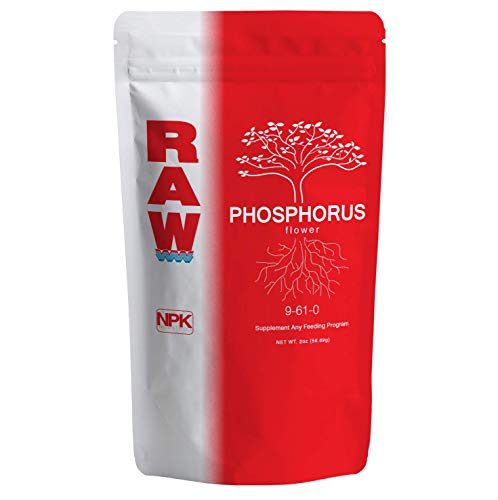
HIGH PHOSPHORUS FERTILIZER FOR PLANT NUTRITION: RAW Phosphorus is a high phosphorus fertilizer with 61% water-soluble phosphate (P₂O₅) and 9% ammonium nitrogen. This phosphorus fertilizer for plants provides readily available phosphorus during key growth stages.
Identifying Normal Leaf Drop in Quince Trees
When observing your quince tree, it's important to discern what constitutes normal leaf drop to maintain its health and vitality. Understanding the difference between normal leaf shedding and potential issues is crucial for proper care. Here are key factors to consider:
- Seasonal changes: Quince trees naturally shed leaves as part of their seasonal cycle.
- Environmental factors: Changes in temperature, sunlight, and moisture levels can cause normal leaf drop.
- Uniform leaf color: Normal leaf drop often results in uniformly colored leaves falling off.
- No signs of disease: Healthy leaves dropping without signs of disease or pest infestation is normal.
- New growth: Normal leaf drop is often followed by new growth, indicating the tree's natural renewal process.
Understanding Abnormal Leaf Drop in Quince Trees
As you care for your quince tree and monitor its health, recognizing the signs of abnormal leaf drop becomes essential to ensuring its continued well-being and productivity.
Early intervention is crucial in addressing abnormal leaf drop in quince trees. When you notice an unusually high rate of leaf shedding or premature yellowing and browning of leaves, it's important to investigate the underlying causes promptly.
Environmental factors such as extreme temperatures, water stress, or nutrient deficiencies can contribute to abnormal leaf drop. By understanding these factors and taking timely action, you can help mitigate the stress on your quince tree and prevent further damage.
Observing your tree closely and making necessary adjustments to its care regimen can make a significant difference in reversing abnormal leaf drop and promoting overall tree health.
Managing Leaf Drop in Quince Trees
To effectively manage leaf drop in quince trees, regularly assess the tree's environmental conditions and adjust its care accordingly. Here are some key steps to help you promote growth and control pests:
- Proper Watering: Ensure the tree receives adequate water, especially during dry periods.
- Mulching: Apply a layer of mulch around the base of the tree to retain moisture and regulate soil temperature.
- Fertilization: Use a balanced fertilizer to provide essential nutrients for healthy leaf growth.
- Pruning: Remove dead or diseased branches to encourage new growth and improve air circulation.
- Pest Control: Monitor for pests and apply appropriate control measures to protect the tree from infestations.
Recommended Products

INSECT KILLER: Fast-acting formula kills listed insects including aphids, Japanese beetles, caterpillars, whiteflies, and other listed pests on contact

KILLS LISTED FRUIT & CITRUS TREE INSECTS: Controls Asian Citrus Psyllid, Whiteflies, Aphids Thrips, Citrus Leafminers, Leafhoppers, Blackfly, Mealybugs, Scales, Avocado Lacebugs, Oriental Beetles, Flea Beetles, Sharpshooters, and Spittlebugs

Control diseases and insects in your garden with Captain Jack’s Fruit Tree Spray Concentrate! Use on a variety of listed fruits, nuts and citrus plants.
Seeking Professional Help for Leaf Drop Issues
If you're experiencing persistent leaf drop issues with your quince trees, consider consulting a certified arborist to assess and address the underlying causes. Professional consultation is crucial for maintaining optimal tree health.
A certified arborist can accurately diagnose the reasons behind the leaf drop, which may include pests, diseases, or environmental stressors. By seeking professional help, you can receive tailored advice on how to effectively manage the leaf drop and improve the overall health of your quince trees.
Additionally, an arborist can provide valuable insights into preventative measures to safeguard your trees from future leaf drop problems. Remember, the expertise of a certified arborist can make a significant difference in preserving the vitality and beauty of your quince trees.
Don't hesitate to reach out for professional assistance when it comes to tree care.
Conclusion
In summary, it's normal for quince trees to experience some leaf drop, especially at certain times of the year. Keep an eye on your tree's overall health and look out for any unusual signs of leaf shedding.
If you're ever unsure, it's best to seek professional help to ensure your quince tree remains healthy. Remember, a little leaf drop is just a natural part of the tree's cycle.
