

As the climate changes, many are wondering if quince trees can adapt. These trees, known for their tasty fruit and beauty, are being studied to see how they might fare in a shifting environment.
This research is important for farming and the environment. The balance between the genetic makeup of quince trees and the changing climate is a fascinating challenge.
Ongoing studies in this area are providing valuable insights into the future of these trees.
Key Takeaways
- Quince trees demonstrate resilience in adapting to changing climate conditions.
- Climate change poses challenges to quince trees' fruit production and overall health.
- Genetic modification and environmental management practices are potential strategies for enhancing quince trees' adaptability.
- Research on quince trees' resilience provides valuable insights for preserving their viability amid climate change.
Current Adaptation Abilities of Quince Trees
Quince trees have demonstrated remarkable resilience in adapting to changing climate conditions. They exhibit a capacity to adjust their growth patterns and fruit production in response to environmental shifts. These adaptation mechanisms enable quince trees to thrive despite environmental stressors such as temperature fluctuations, drought, and extreme weather events.
One key adaptation is their ability to modify their flowering and fruiting times to align with shifting climate patterns. This ensures successful pollination and fruit set. Additionally, quince trees can adjust their water usage and nutrient uptake to withstand periods of drought or excess moisture.
The capacity of quince trees to acclimate to environmental stressors highlights the potential for these trees to continue flourishing in the face of ongoing climate change. It also offers valuable insights into the resilience of plant species in the ever-changing natural world.
Recommended Products

80 Mimosa Silk Tree Seeds (Albizia Julibrissin) – Pink Blooms, Drought Tolerant Flowering Trees, Attracts Pollinators – Indoor Garden & Outdoor Planting

LIVE DWARF FLOWERING QUINCE TREE: Comes rooted and ready to grow in a 5-inch plastic pot, making it easy to transplant.
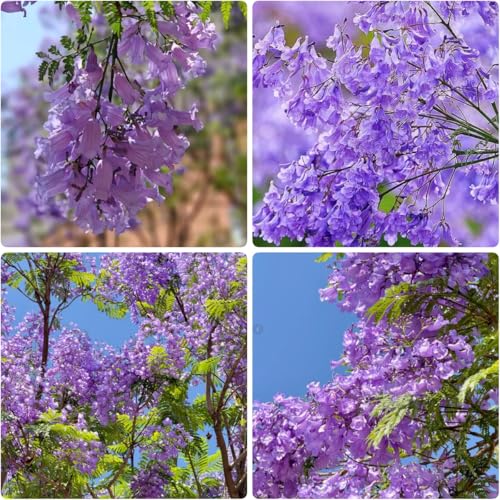
Premium non-GMO seeds, high germination rate for vibrant purple-blue blooms
Impact of Climate Change on Quince Trees
Amidst the shifting climate patterns, quince trees face significant challenges in maintaining their fruit production and overall health. The impact of climate change on quince trees is profound, as they struggle to adapt to the changing environmental factors. Here's a table to illustrate the adaptation challenges faced by quince trees:
| Environmental Factors | Impact on Quince Trees |
|---|---|
| Temperature fluctuations | Affects flowering and fruit set |
| Precipitation changes | Alters water availability for growth |
| Pests and diseases | Increases susceptibility due to weakened defenses |
These environmental factors directly influence the ability of quince trees to thrive in the face of climate change. Understanding these challenges is crucial in developing strategies to safeguard the future of quince trees and ensure their continued productivity.
Recommended Products

3-IN-1 FLOWER CARE: All-In-One Rose & Flower Plant Care provides insect control, disease control, and plant mite control all in one; Rainproof protection starts in 4 hours and lasts up to 14 days

Protect your oasis with 3 garden products in 1 from Captain Jack’s; Bonide Captain Jack’s Ready-to-Use Neem Oil spray for plants is a multi-purpose fungicide, insecticide and miticide for your lawn & garden

Control diseases and insects in your garden with Captain Jack’s Fruit Tree Spray Concentrate! Use on a variety of listed fruits, nuts and citrus plants.
Potential Strategies for Quince Trees' Adaptation
Adapting to the changing climate requires quince trees to implement strategies that enhance their resilience and ability to withstand environmental challenges. Genetic modification offers a potential avenue for enhancing the adaptability of quince trees to changing climate conditions. By introducing genetic traits that improve heat or drought tolerance, quince trees can potentially thrive in altered environmental conditions.
Additionally, environmental management practices such as optimizing irrigation systems and adjusting planting schedules can help mitigate the impact of climate change on quince trees. These strategies can aid in maintaining the productivity and health of quince trees in the face of changing environmental conditions.
Embracing genetic modification and implementing effective environmental management techniques are crucial steps towards ensuring the continued success of quince cultivation in the context of climate change.
Recommended Products

Complete 240FT Drip Irrigation Kit - The garden irrigation system includes 40FT of 1/2" main tubing, 200FT of 1/4" distribution tubing, and 143 essential components. You can customize the setup to fit your garden layout, covering up to 250 sq. ft. or split into two areas of 120 sq. ft. each

NO MORE HARD INSTALLATION - SET UP IN MINUTES. Tired of struggling with stiff barbed fittings? This drip irrigation system features quick-connect fittings that let you push, lock, and secure tubing effortlessly. No tools, no leaks, just a smooth setup experience. Enjoy a frustration-free installation and get your garden watering system running in minutes.

Set includes: 2 pieces of tree watering rings, 2 plastic valves, and 1 Y Hose Splitter, providing ample quantity for your garden watering needs. You can also share them with fellow gardening enthusiasts
Research on Quince Trees' Resilience to Climate Change
In the quest to understand how quince trees can thrive in the face of climate change, researchers have embarked on comprehensive studies to uncover the resilience mechanisms inherent in these plants.
The current focus on quince trees' resilience to climate change has revealed fascinating insights, including:
- Genetic Diversity: Researchers are investigating the genetic makeup of quince trees to identify variations that contribute to their ability to withstand changing environmental conditions.
- Ecological Interactions: Studies are delving into the intricate web of ecological interactions between quince trees and other organisms in their environment to understand how these relationships bolster their resilience.
- Adaptive Traits: Efforts are being made to identify specific adaptive traits within quince trees that enable them to thrive in diverse climatic conditions.
- Long-Term Monitoring: Long-term monitoring is being conducted to track how quince trees respond and adapt to shifting climate patterns.
This research is crucial in informing strategies to preserve the resilience of quince trees in the face of climate change.
Future Outlook for Quince Trees Amid Climate Change
As we consider the future outlook for quince trees in the midst of climate change, the research on their resilience provides valuable insights into potential strategies for preserving their viability. Ensuring the future of quince trees involves exploring genetic modification for enhanced resilience and adapting horticultural practices and cultivation techniques. Below is a table summarizing the potential strategies for the future outlook of quince trees.
| Future Strategies | Description | Benefits |
|---|---|---|
| Genetic Modification | Altering genetic makeup for climate resilience | Improved tolerance to changing environmental conditions |
| Horticultural Practices | Implementing efficient water and soil management | Enhanced growth and adaptability |
| Cultivation Techniques | Utilizing advanced techniques for temperature regulation | Better yield and resistance to extreme weather |
Conclusion
In the face of climate change, quince trees face significant challenges. The future for quince trees is uncertain, yet proactive measures and continued study may pave the way for adaptation and survival. Despite the complexity of the issue, there's reason to remain optimistic about the fate of these trees. Ongoing research and potential strategies offer hope for their resilience, prompting us to consider the broader implications of their ability to adapt in a changing environment.
