

If you want your quince tree to thrive, it's essential to improve the soil. Just like a gardener takes care of roses, the quality of the soil is crucial for a successful quince harvest.
But where do you start? Understanding the specific needs of quince trees is key. It's not just about adding some fertilizer and hoping for the best.
Let's explore the essential methods to set the stage for your quince trees to flourish.
Key Takeaways
- Conduct a soil nutrient analysis to determine levels of essential elements like nitrogen, phosphorus, and potassium.
- Adjust the soil pH level to slightly acidic to neutral (between 6.0 and 7.0) using lime if necessary.
- Enhance the soil by incorporating organic matter like well-rotted compost, which improves structure, water retention, and nutrient availability.
- Utilize mulching techniques to retain soil moisture, suppress weed growth, and moderate soil temperature.
Soil Testing for Quince Trees
Before planting quince trees, it's essential to conduct a soil test to ensure the soil conditions are suitable for their growth.
Start by performing a soil nutrient analysis to understand the levels of essential elements like nitrogen, phosphorus, and potassium. This analysis will provide crucial insights into the soil's fertility and help determine if any amendments are required.
Additionally, evaluating the soil composition is vital to assess its structure, pH levels, and drainage capacity. Understanding these factors is crucial as quince trees thrive in well-draining soil with a slightly acidic to neutral pH.
By conducting a thorough soil composition evaluation, you can identify any necessary adjustments to create the optimal growing environment for your quince trees.
Recommended Products

Quick, at home results for Soil pH, Nitrogen, Phosphorous and Potash Innovative and inexpensive soil test kit features an easy-to-use capsule system and patented color comparators

KNOW BEFORE YOU GROW | Grow the healthiest, sustainable lawn and garden with the most accurate and easy to use professional soil test kit on the market

Kindly NOTE: This soil tester can not be applied to test pH value of any other liquid. If the soil is too dry the indicator will not move, and water it before testing.
Soil Ph Adjustment
To ensure optimal growth for your quince trees, adjusting the soil pH may be necessary to create a favorable environment for their development. Here are some key points to consider for soil pH adjustment:
- Soil Testing: Start by testing the soil to determine its current pH level.
- Lime Application: If the soil is too acidic, consider applying lime to raise the pH level. Follow the recommended application rates for your specific soil type and tree requirements.
- Balanced pH: Aim for a slightly acidic to neutral pH level, ideally between 6.0 and 7.0, to promote healthy quince tree growth.
- Monitoring: Regularly monitor the soil pH and make adjustments as necessary to maintain an optimal growing environment for your quince trees.
Proper pH management is crucial for the overall health and productivity of your quince trees.
Recommended Products

Comprehensive Soil Analysis: Liquid soil test kits offer a comprehensive analysis of essential soil parameters, including pH, ammonia, nitrogen, phosphorus, and potassium. Having all these measurements in one kit provides a holistic understanding of the soil's fertility and health.

Accurate Soil pH Testing: Dewildetradingco Soil pH Test Strips offer measurements of soil pH levels (pH 3.5-9). As an essential tool for every gardener and grower, these test strips help determine the optimal pH for various plants, such as outdoor plants, indoor plants, gardens, grass lawns, fruit trees, flowers, vegetables, and forest shrubs.

✅ 1Dial & 1 LCD Screen - Replace/install all 3 batteries each time. Put button to %RH/°F to - Turn On, and put to LIGHT to - Turn Off. Read the LCD results in 3-5 mins. (Not Water Moisture Meter, so, please don't test liquid)
Organic Matter Addition
After addressing the soil pH for your quince trees, the next crucial step is to enhance the soil by incorporating organic matter to promote a nutrient-rich environment for their growth and development.
Adding organic matter, such as well-rotted compost, provides numerous benefits. Composting benefits the soil by improving its structure, increasing water retention, and enhancing nutrient availability. As the organic matter decomposes, it releases essential nutrients that are vital for the health and vitality of your quince trees. This process also encourages the growth of beneficial microorganisms, which further aids in nutrient cycling and availability.
Additionally, organic matter improves the soil's ability to support a diverse community of soil organisms, fostering a healthy and balanced ecosystem that's conducive to the optimal growth of your quince trees.
Recommended Products
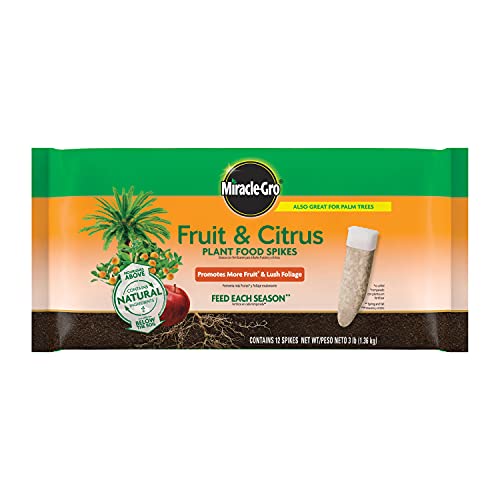
FORMULATED FOR CITRUS AND FRUIT TREES: Use these citrus fertilizer spikes on apple, orange, lemon, lime, and avocado trees; this formula is also great for feeding palm trees

Let our professionally formulated plant food help your fruit tree grow healthy, strong AND abundantly producing

Let our professionally formulated plant food help your fruit tree grow healthy, strong AND abundantly producing
Mulching Techniques
Consider using mulching techniques to further improve the soil environment for the optimal growth and health of your quince trees.
Here are some key points to keep in mind when mulching around your quince trees:
- Mulching benefits: Mulch helps retain soil moisture, suppresses weed growth, and moderates soil temperature, creating a favorable environment for quince trees.
- Types of mulch: Organic mulches like wood chips or straw decompose over time, enriching the soil, while inorganic mulches like gravel provide long-lasting weed control.
- Mulch application: Apply a 2- to 4-inch layer of mulch around the base of the quince tree, keeping it a few inches away from the trunk to prevent moisture-related issues.
- Timing: Mulch in late spring or early summer to conserve soil moisture during the hot months and in late fall to insulate the soil during winter.
Using these mulching techniques will contribute to the overall health and productivity of your quince trees.
Watering and Drainage Considerations
Improving the watering and drainage around your quince trees is essential for maintaining their health and promoting optimal growth.
When it comes to irrigation methods, consider using drip irrigation or soaker hoses to deliver water directly to the root zone, minimizing water waste and reducing the risk of disease.
Additionally, be mindful of soil compaction, which can hinder water penetration and root development. To prevent runoff and ensure efficient water absorption, add organic matter to the soil to improve its structure and promote better drainage.
Soil aeration is also crucial for quince trees, so consider using a garden fork or aeration tool to alleviate compaction and enhance oxygen flow to the roots.
Conclusion
Incorporating these soil improvement techniques will create an optimal environment for your quince trees to flourish.
By testing the soil, adjusting pH levels, adding organic matter, mulching, and managing watering and drainage, you set the stage for a bountiful harvest of delicious quinces.
With the right soil conditions in place, your quince trees are poised for success.
Happy gardening and enjoy the fruits of your labor!
