Close Menu
    Fruit Tree Hub
    • Home
    • Apple Trees
    • Lemon Trees
    • Mango Trees
    • Orange Trees
    • More Trees
      • Best Fruit Trees
      • Apricot Trees
      • Cherry Trees
      • Fig Trees
      • Lime Trees
      • Mulberry Trees
      • Peach Trees
      • Pear Trees
      • Plum Trees
      • Pomegranate Trees
    • Tips and Advice
      • Tools
    • About Us
      • Contact
      • Privacy Policy
    Fruit Tree Hub
    Home»Fruit Trees»Quince Trees»How to Properly Water Quince Trees
    Quince Trees

    How to Properly Water Quince Trees

    Lucy SmithBy Lucy SmithFebruary 20, 20244 Mins Read
    Share Facebook Twitter Pinterest WhatsApp Email
    Share
    Facebook Twitter LinkedIn Pinterest Telegram Email

    Proper watering is essential for the health and productivity of quince trees. Understanding their specific watering needs is crucial for their survival and fruit production.

    Contents show
    1 Key Takeaways
    2 Ideal Watering Schedule
    3 Watering Techniques
    4 Soil Moisture Monitoring
    5 Watering Dos and Don'ts
    6 Adjusting Watering in Different Seasons
    7 Conclusion

    Let's explore the key strategies and techniques for watering quince trees to help you achieve the best results.

    Key Takeaways

    • Quince trees have shallow roots, so it is important to water them deeply but infrequently to encourage deeper root growth.
    • Water quince trees every 7-10 days, adjusting the frequency based on weather conditions and soil moisture levels.
    • Directly apply water to the base of the tree using a slow, steady stream to prevent runoff and ensure effective root hydration.
    • Regularly monitor soil moisture using a reliable meter or probe to prevent both overwatering and underwatering. Adjust the watering schedule based on soil moisture levels.

    Ideal Watering Schedule

    To maintain healthy quince trees, it's crucial to establish an ideal watering schedule that suits their specific needs. Quince trees have relatively shallow roots, typically extending around 18-24 inches deep into the soil. Understanding their root depth is essential for determining the appropriate watering frequency.

    Since the roots are concentrated in the topsoil, it's important to water them more frequently but with less water each time. Aim to water the quince trees deeply but infrequently to encourage the roots to grow deeper into the soil, making the tree more resilient to drought conditions.

    A general rule of thumb is to water quince trees every 7-10 days, adjusting based on weather conditions and soil moisture levels. By monitoring the soil moisture and understanding the root depth, you can ensure that the quince trees receive the right amount of water to thrive.

    MUST READ
    Can Quince Trees Grow in Cold Climates

    Recommended Products

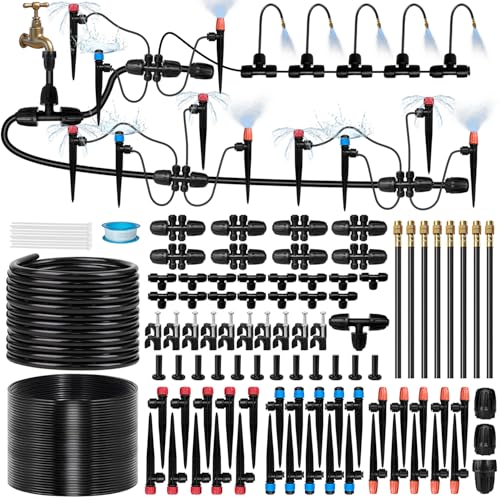
    Bonviee Drip Irrigation System Kit for Garden Watering, 230FT Quick Connect
    Bonviee Drip Irrigation System Kit for Garden Watering, 230FT Quick Connect

    NO MORE HARD INSTALLATION - SET UP IN MINUTES. Tired of struggling with stiff barbed fittings? This drip irrigation system features quick-connect fittings that let you push, lock, and secure tubing effortlessly. No tools, no leaks, just a smooth setup experience. Enjoy a frustration-free installation and get your garden watering system running in minutes.
    VIEW LATEST PRICE

    As an affiliate, we earn on qualifying purchases.

    Drip Irrigation System 230FT Quick-Connect Drip Irrigation Kit with 1/4 inch 1/2 inch Irrigation Tubing Hose and Accessories for Lawn Raised Bed Greenhouse Plant Watering System
    Drip Irrigation System 230FT Quick-Connect Drip Irrigation Kit with 1/4 inch 1/2 inch Irrigation Tubing Hose and Accessories for Lawn Raised Bed Greenhouse Plant Watering System

    Quick Connect Design: Newly Upgraded Quick Connect Irrigation System Say Goodbye to Complicated Settings! Our upgraded 4-way connectors, tees, and nozzles can now be easily connected directly to 1/4 "irrigation pipes. No more trouble with heating or softening - just plug and play!

    VIEW LATEST PRICE

    As an affiliate, we earn on qualifying purchases.

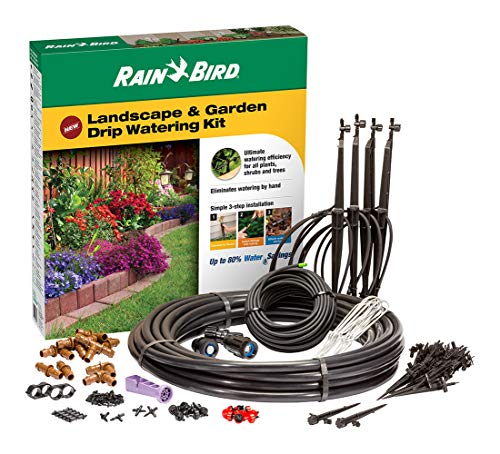
    Rain Bird DRIPKITBAG Drip Irrigation Repair and Expansion Kit
    Rain Bird DRIPKITBAG Drip Irrigation Repair and Expansion Kit

    Convenient and portable storage kit contains 102 professional grade universal Drip irrigation parts

    VIEW LATEST PRICE

    As an affiliate, we earn on qualifying purchases.

    Watering Techniques

    Consider adjusting the irrigation method when watering quince trees to ensure optimal moisture penetration.

    To promote thorough root hydration, it's crucial to water deeply and less frequently. Directly apply water to the base of the tree to ensure it reaches the roots effectively. A slow, steady stream of water allows for better absorption and prevents runoff. This method encourages the roots to grow deeper into the soil, making the tree more resilient during dry periods.

    MUST READ
    The Best Soil Conditions for Quince Trees

    When determining the watering depth, aim for at least 12-18 inches below the surface to ensure the moisture reaches the lower root system. Monitoring the soil moisture level regularly will help you determine when it's time to water again.

    Recommended Products
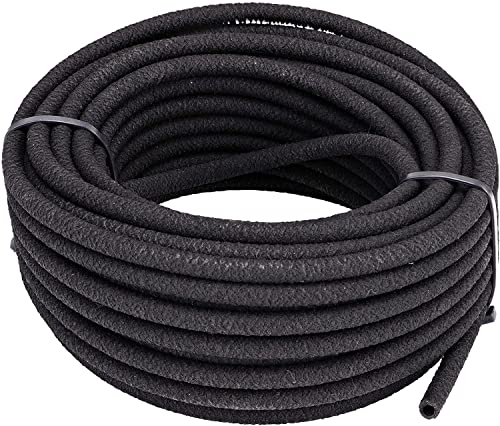
    ZGWDrip 10FT for Trees 1/2" Water-Saving Soaker Hose with Solid Brass Connectors, Drip Irrigation Kit
    ZGWDrip 10FT for Trees 1/2" Water-Saving Soaker Hose with Solid Brass Connectors, Drip Irrigation Kit

    1/2" Water-Saving & Durable Construction with Upgraded Formula: Our enhanced soaker hose blend delivers ultra-consistent water seepage while maximizing water savings, plus improved tensile strength, durability, and flexibility. It’s easy to handle, resistant to kinks, and built to stand up to long-term use in lawns, yards, landscaping, and tree watering applications.

    VIEW LATEST PRICE

    As an affiliate, we earn on qualifying purchases.

    Raindrip 016010T 1/4-Inch Drip Irrigation Supply Tubing, 100-Foot., for Drip Irrigation, Drip Emitters, Irrigation Parts, Systems, Black Polyethylene
    Raindrip 016010T 1/4-Inch Drip Irrigation Supply Tubing, 100-Foot., for Drip Irrigation, Drip Emitters, Irrigation Parts, Systems, Black Polyethylene

    1/4 INCH IRRIGATION TUBING: Create a feeder line that supplies water to a low-flow, drip-watering device, or use as a main line in a small drip irrigation system; for trees, shrubs, flower beds, groundcover, vegetable gardens, and planters

    VIEW LATEST PRICE

    As an affiliate, we earn on qualifying purchases.

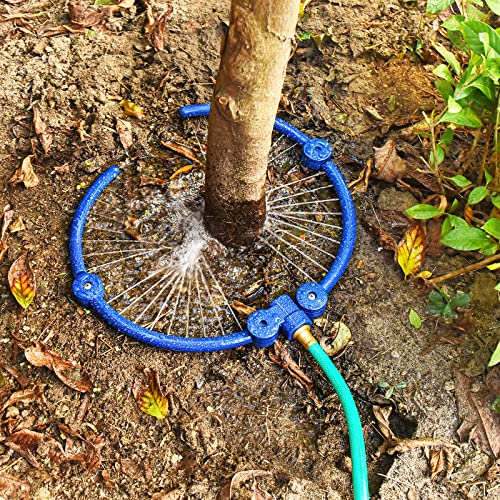
    ZZM 360°Tree Water System Tree Watering Ring Circle Sprinkler and Irrigation System Targeted Water with Y Hose Splitter for New Tree Outdoor Plants Raised Garden Beds Shrubs (Small)
    ZZM 360°Tree Water System Tree Watering Ring Circle Sprinkler and Irrigation System Targeted Water with Y Hose Splitter for New Tree Outdoor Plants Raised Garden Beds Shrubs (Small)

    【Specially Designed for Trees and Shrubs】 The Watering Ring is a multi-purpose irrigation ring that attaches to a garden hose to efficiently water young trees shrubs vegetables or flower beds using drip or trickle irrigation.It directs water to the root perimeter of the plant to give them a good start during the first two growing seasons or through periods of drought.

    MUST READ
    How to Identify Different Quince Tree Varieties
    VIEW LATEST PRICE

    As an affiliate, we earn on qualifying purchases.

    Soil Moisture Monitoring

    Monitor soil moisture regularly using a reliable meter or probe to accurately assess the hydration levels of your quince trees. This ensures that you can adjust the watering frequency to meet the specific needs of your trees.

    By monitoring the soil moisture, you can prevent both overwatering and underwatering, which are crucial for maintaining proper root hydration. Quince trees generally require consistent moisture, but not waterlogged conditions. The soil should be kept consistently moist but not soggy.

    Checking the soil moisture levels regularly allows you to make adjustments to your watering schedule as needed, ensuring that the roots receive the right amount of hydration. This proactive approach to soil moisture monitoring will help you maintain the health and vitality of your quince trees.

    Recommended Products

    XLUX Long Probe Plant Soil Moisture Meter, Indoor Outdoor use, Battery-Free
    XLUX Long Probe Plant Soil Moisture Meter, Indoor Outdoor use, Battery-Free

    Accurate Soil Moisture Detection: The XLUX Soil Moisture Meter can tell you if the soil deep inside your pot or garden is dry, moist or wet; whereas your eyes and fingers can only determine the moisture level of the soil surface. The probe is 5.5 inches (14 cm) longer than regular styles, allowing it to measure the soil moisture at the bottom of larger and deeper flower pots.

    VIEW LATEST PRICE

    As an affiliate, we earn on qualifying purchases.

    YAMRON 4-in-1 Soil Moisture Meter Digital Plant Temperature/Soil Moisture/pH Meter/Sunlight Intensity Backlight LCD Display Soil Test Meter for Gardening, Farming and Outdoor Plants
    YAMRON 4-in-1 Soil Moisture Meter Digital Plant Temperature/Soil Moisture/pH Meter/Sunlight Intensity Backlight LCD Display Soil Test Meter for Gardening, Farming and Outdoor Plants

    【4 in 1 function】This is a 4-in-1 multifunctional soil tester.Our soil tester fastly to measure soil moisture, pH, temperature and sunlight to help you take better care of flowers and plants.You can know when you need to water your soil by measuring moisture and pH & Temperature value of the soil and sunlight level of plants with it.

    MUST READ
    Why Do Quince Trees Have Fuzzy Leaves
    VIEW LATEST PRICE

    As an affiliate, we earn on qualifying purchases.

    Antonki 2 Pack Soil Moisture Meter, Plant Water Meter Hygrometer
    Antonki 2 Pack Soil Moisture Meter, Plant Water Meter Hygrometer

    【Instant & Accurate Moisture Reading, No More Guesswork】 This plant moisture meter gives precise soil moisture readings in seconds! The responsive pointer instantly tells you if soil is dry, moist, or wet. It helps avoid overwatering & root rot, letting you water plants like a pro with confidence

    VIEW LATEST PRICE

    As an affiliate, we earn on qualifying purchases.

    Watering Dos and Don'ts

    As you aim to maintain the proper hydration levels for your quince trees, it's essential to understand the dos and don'ts of watering to ensure their health and vitality.

    Here are some key dos and don'ts to keep in mind:

    • Watering frequency:

    Do water your quince trees deeply and less frequently to encourage deep root growth.

    Don't water them too often with shallow irrigation, which can lead to surface rooting.

    • Root hydration:

    Do water the soil around the roots, ensuring the water penetrates deeply.

    Don't let water accumulate around the trunk, as this can cause root rot.

    • Do monitor the moisture level of the soil regularly to adjust your watering schedule accordingly.
    • Do use mulch to help retain soil moisture and regulate the temperature for the roots.
    • Don't water your quince trees during rainy periods when the soil is already saturated.

    Adjusting Watering in Different Seasons

    In different seasons, adjust your quince tree watering schedule to meet the changing needs of the tree and optimize its growth and health.

    MUST READ
    The Best Soil Conditions for Quince Trees

    Seasonal adjustments are crucial for maintaining the proper root hydration of your quince tree. During the spring and summer, when the tree is actively growing and producing fruit, increase the frequency of watering to ensure that the roots receive adequate moisture.

    In contrast, as the weather cools in the fall, reduce the frequency of watering to prevent overhydration and root rot. Once winter sets in and the tree goes dormant, minimal watering is required, only to prevent the roots from drying out completely.

    Conclusion

    In nurturing your quince trees, remember that consistent watering, proper techniques, and monitoring soil moisture are essential for their health. Adjusting for different seasons ensures their thriving.

    The right amount of water at the right time is crucial for success. Happy gardening and may your quince trees flourish with care and attention.

    Share. Facebook Twitter Pinterest LinkedIn Tumblr Email
    lucy smith
    Lucy Smith
    • Website

    Lucy Smith is a highly experienced horticulturist with a passion for fruit tree cultivation. She holds a degree in Horticulture from the University of California, Davis, and has worked in various roles in the industry. With over 10 years of experience, Lucy is dedicated to using eco-friendly methods for sustainable gardening practices.

    Related Posts

    Why Do Quince Trees Produce Large Flowers

    February 27, 2024

    Can Quince Trees Adapt to Climate Change

    February 27, 2024

    Creating a Wildlife Habitat With Quince Trees

    February 27, 2024

    Where Are Quince Trees Considered Invasive

    February 27, 2024

    Is Quince Tree Pollen Allergenic

    February 26, 2024

    Can Quince Trees Be Used in Traditional Medicine

    February 26, 2024
    Leave A Reply Cancel Reply

    Affiliate Disclosure

    As an Amazon Associate I earn from qualifying purchases.

    Recommended Reading

    Can Lemon Trees Grow in Greensboro, NC? Piedmont Growth

    Growing Papaya Trees in Colorado: High Altitude Success Tips

    Can Grapefruit Trees Grow in San Diego, CA? Coastal Advice

    When to Plant Fruit Trees in North Carolina: Best Seasons and Varieties for Your Garden

    Can Cherry Trees Grow in Wyoming? (High Altitude Growth Tips)

    Is Sevin Safe for Fruit Trees: Essential Guidelines for Safe and Effective Use

    The Best Fertilizers for Healthy Walnut Trees

    Can You Pollinate Fruit Trees by Hand to Boost Your Harvest and Fruit Quality?

    How to Wash Fresh Raspberries for Maximum Freshness and Flavor

    How to Keep Birds off Your Fruit Trees: Effective Strategies for a Bountiful Harvest

    Fruit Tree Hub

    Fruit Tree Hub is a website dedicated to providing you everything you need to grow fruit trees successfully at in your own yard.

    Contact us at: [email protected]

    - AFFILIATE DISCLOSURE: As an Amazon Associate I earn from qualifying purchases.

    Latest Posts

    Can Olive Trees Grow in New Jersey? Garden State Growth Tips

    Can Star Fruit Trees Grow in Missouri? Expert Variety Guide

    How to Grow Jujube Trees in Las Vegas, NV: Desert Growth

    Mango Trees in Illinois: Indoor and Greenhouse Growth Secrets

    Growing Papaya Trees in Oklahoma: High Heat Resilience

    Tamarind Trees in a Pot in Ohio (Complete Maintenance Manual)

    Can Fig Trees Grow in Long Beach, CA? Coastal Salt Tips

    Plum Trees in District of Columbia (Urban Microclimate Tips)

    Categories
    • Almond Trees
    • Apple Trees
    • Apricot Trees
    • Best Fruit Trees
    • Blackberry
    • Cantaloupe
    • Cherry Trees
    • Crochet Ideas
    • Crochet Ideas for Beginners
    • Cucamelon
    • Easy Crochet Ideas
    • Easy Knitting Projects
    • Fig Trees
    • Grapefruit Trees
    • Grapes
    • Guava Trees
    • Honeydew
    • Jujube Trees
    • Kiwi
    • Knitting For Beginners
    • Knitting Ideas
    • Knitting Inspiration
    • Lemon Trees
    • Lime Trees
    • Loquat Trees
    • Mango Trees
    • Mulberry Trees
    • Nectarine Trees
    • Olive Trees
    • Orange Trees
    • Papaya Trees
    • Peach Trees
    • Pear Trees
    • Persimmon Trees
    • Planting
    • Plum Trees
    • Pomegranate Trees
    • Quince Trees
    • Raspberry
    • Reviews
    • Small Crochet Ideas
    • Star Fruit Trees
    • Summer Crochet Ideas
    • Tamarind Trees
    • Tangerine Trees
    • Tips and Advice
    • Tools
    • Uncategorized
    • Walnut Trees
    © 2026 Fruit Tree Hub
    • Home
    • About Us
    • Contact
    • Privacy Policy
    • Terms and Conditions
    • Disclaimer
    • Editorial Policy
    • Affiliate Disclosure

    Type above and press Enter to search. Press Esc to cancel.