

Quince trees thrive in Louisiana’s humid climate, but heavy rainfall can present challenges. To ensure successful growth, focus on proper drainage, soil management, and pest control. These strategies will help you cultivate healthy quince trees despite the state’s high precipitation levels.
Quince Tree Growth Conditions in Louisiana
Quince trees can thrive in Louisiana’s unique climate, but understanding their specific growth conditions is essential for successful cultivation. With high rainfall and humidity, these trees require careful attention to soil drainage and sunlight exposure to flourish. This section delves into the optimal environmental factors that contribute to healthy quince tree growth in the region.
Quince trees require specific conditions for optimal growth. They prefer well-drained soil and full sun exposure. In Louisiana, where rainfall is abundant, managing soil drainage becomes crucial to prevent root rot and other moisture-related issues.
Optimal Soil Composition for Quince Trees
Understanding the optimal soil composition is crucial for successfully growing quince trees in Louisiana’s unique climate. High rainfall can impact soil health and drainage, making it essential to create an environment that supports the trees’ growth. This section will explore the ideal soil characteristics to ensure robust quince production in the region.
Soil composition significantly impacts quince tree health. Ideal soil should be:
Well-draining to avoid waterlogging
Rich in organic matter for nutrients
Slightly acidic to neutral pH (around 6.0 to 7.0)
A soil test can help determine the current pH and nutrient levels. Amend the soil with compost or aged manure to enhance fertility.
Rainfall Mitigation Techniques for Quince Trees
In Louisiana’s humid climate, managing rainfall is crucial for the health of quince trees. Excess moisture can lead to root rot and other issues, making it essential for growers to implement effective mitigation techniques. This section explores practical strategies to protect quince trees from the challenges posed by high rainfall, ensuring robust growth and fruitful harvests.
Excess rainfall can lead to problems, but effective water management can mitigate these issues. Consider the following strategies:
Install drainage systems to redirect excess water away from the root zone.
Use raised beds to improve drainage and prevent water accumulation.
Monitor soil moisture regularly to ensure optimal watering practices.
| Water Management Technique | Benefits | Considerations |
|---|---|---|
| Drainage systems | Reduces root rot risk | Initial installation cost |
| Raised beds | Enhances drainage | Requires more soil |
| Soil moisture monitoring | Prevents overwatering | Regular checks needed |
Fertilization Strategies for Louisiana Quince Trees
Fertilizing quince trees in Louisiana requires a tailored approach due to the region’s high rainfall and unique soil conditions. Understanding the specific nutrient needs of these trees can significantly enhance their growth and fruit production. This section explores effective fertilization strategies to ensure healthy quince trees thrive in Louisiana’s climate.
Proper fertilization is essential for quince tree health. Use a balanced fertilizer that provides necessary nutrients without overwhelming the tree.
Recommended Products

CONTINUOUS RELEASE NUTRITION: Osmocote Smart-Release Plant Food Plus Outdoor & Indoor1 granular fertilizer contains 11 essential nutrients and feeds live plants up to 6 full months

LASTING COLOR: Miracle-Gro Tree & Shrub Plant Food Spikes are fertilizer spikes for trees and shrubs; they promote vibrant color and foliage for trees and shrubs in your yard

CONTINUOUS RELEASE NUTRITION: Osmocote Smart-Release Plant Food Plus Outdoor & Indoor1 granular fertilizer contains 11 essential nutrients and feeds live plants up to 6 full months
Fertilizer Selection for Quince Trees
Choosing the right fertilizer is crucial for the health and productivity of quince trees, especially in Louisiana’s high rainfall conditions. The unique soil composition and moisture levels in this region require careful consideration of nutrient needs to ensure optimal growth and fruiting. This section explores effective fertilizer options tailored for quince cultivation in such an environment.
Choose fertilizers based on the following criteria:
Slow-release fertilizers to provide nutrients over time
Organic options like fish emulsion or bone meal for natural growth
Soil-specific fertilizers tailored to your soil test results
Apply fertilizer in early spring before new growth begins. Follow package instructions for application rates to avoid over-fertilization.
Quince Tree Pest Control Strategies
Managing pests is crucial for the successful cultivation of quince trees in Louisiana, especially in areas with high rainfall. The unique climate can create conditions that foster various pests, making effective control strategies essential for maintaining tree health and ensuring a fruitful harvest. This section outlines practical approaches to safeguard your quince trees from common pests.
Pests and diseases can threaten quince tree health, especially in humid environments. Regular monitoring and proactive measures are essential.
Recommended Products

DUAL-ACTION BOTANICAL FORMULA — Combines insecticidal soap with cinnamon oil, bringing two complementary approaches together in one plant-care formula.

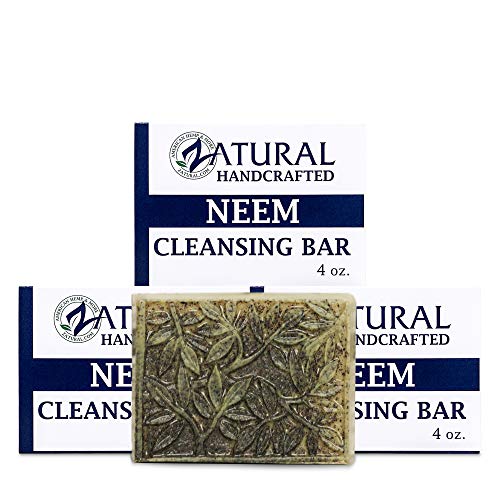
PURE NEEM OIL FORMULA – Expertly crafted with high-quality, cold-pressed Neem oil. This plant-based cleansing bar delivers the natural properties of the Neem leaf directly to your skin without harsh chemicals or synthetic additives.
Pest Management Strategies for Quince Trees
Effective pest management is crucial for the health and productivity of quince trees in Louisiana’s humid climate. High rainfall can create ideal conditions for various pests, making it essential to implement targeted strategies. This section explores practical approaches to safeguard quince trees from common threats while ensuring optimal growth and fruit quality.
Be aware of the following pests and their control methods:
Aphids: Use insecticidal soap or neem oil to manage infestations.
Codling moths: Implement traps and remove fallen fruit to reduce populations.
Scale insects: Scrape off manually or use horticultural oil for treatment.
Quince Tree Disease Management Strategies
Managing diseases in quince trees is crucial for maintaining their health and productivity, especially in Louisiana’s humid climate. This section explores effective strategies for preventing and treating common diseases that can affect quince trees, ensuring that growers can cultivate robust plants despite the challenges posed by high rainfall and moisture levels.
Preventing diseases is crucial for maintaining tree health. Consider these practices:
Prune regularly to improve air circulation and reduce humidity around the tree.
Avoid overhead watering to minimize fungal diseases.
Select disease-resistant varieties when planting new trees.
Quince Harvest Timing and Storage Techniques
Understanding the optimal timing for harvesting quince in Louisiana is crucial for maximizing fruit quality, especially in regions with high rainfall. Proper storage techniques also play a significant role in preserving the fruit’s flavor and texture, ensuring that the harvest can be enjoyed long after picking. This section delves into the best practices for both harvesting and storing quince effectively.
Harvesting quince at the right time ensures optimal flavor and texture. Quince is typically ready for harvest in late fall when the fruit turns a golden yellow.
Harvesting Quince in High Rainfall Areas
Harvesting quince in Louisiana’s high rainfall regions requires careful attention to timing and technique. Excess moisture can impact fruit quality and tree health, making it essential to understand the best practices for successful harvesting. This section will explore effective methods to ensure a fruitful quince harvest despite the challenges posed by the local climate.
Follow these steps for effective harvesting:
Check firmness: Fruit should yield slightly to pressure.
Use pruning shears to cut the fruit from the tree, leaving a short stem attached.
Handle gently to avoid bruising.
Quince Storage Techniques for Humid Climates
Storing quince in humid climates like Louisiana requires specific techniques to maintain freshness and prevent spoilage. Understanding the unique challenges posed by high rainfall can help ensure that your quince remains flavorful and viable for longer periods. The following tips will guide you through effective storage methods tailored for these conditions.
Store harvested quince in a cool, dry place. Consider these storage tips:
Refrigerate to extend freshness.
Use breathable containers to prevent moisture buildup.
Check regularly for signs of spoilage.
Successful Quince Cultivation Strategies
Growing quince trees in Louisiana requires careful attention to soil, water management, and pest control. Implementing these strategies will enhance your chances of success in a high-rainfall environment. Regular monitoring and adjustments will ensure your trees thrive in the humid climate.
