

Have you ever wanted to draw a tree bursting with colorful fruits but didn’t know where to start? You’re not alone! Many people find it tricky to capture the beauty of nature on paper, especially when it comes to something as vibrant as a fruit-laden tree.
Key Takeaways
- Essential Materials: Use quality drawing tools, including various pencils, erasers, textured paper, and colored markers or pencils for optimal results in your fruit tree drawing.
- Step-by-Step Process: Follow a structured approach by first sketching the outline, enhancing trunk and foliage details, then positioning and detailing the fruits before shading.
- Coloring Techniques: Apply layered coloring, starting with a light base and gradually building depth with darker shades, along with blending for a realistic finish.
- Mistakes to Avoid: Keep designs simple, focus on essential elements, and maintain proper proportions to create a more believable and aesthetically pleasing tree.
- Inspiration Sources: Utilize photographs, nature walks, art books, and online tutorials for inspiration and guidance in capturing realistic fruit tree features.
- Enjoy the Journey: Embrace a patient and detail-oriented approach as you bring your fruit tree drawing to life, celebrating the artistic process.
Materials Needed
Gathering the right materials enhances your drawing experience and results. Here’s what you’ll need.
Recommended Products

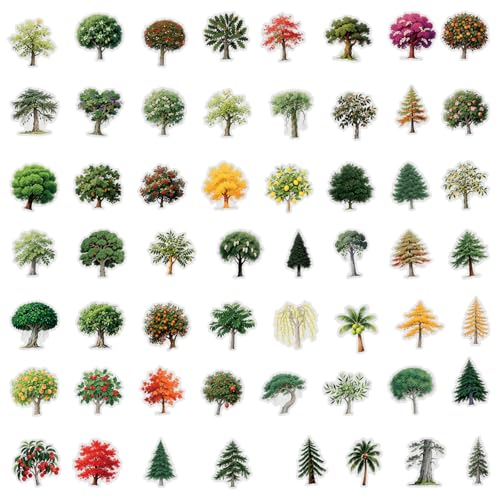
EXTENSIVE VARIETY: Set includes 110 individual stickers featuring 55 different tree designs including oak, pine, maple, palm, willow, fruit trees, and evergreens for diverse creative projects

Drawing Tools
- Pencils: Use different grades, such as HB for sketching and 2B or 4B for shading.
- Erasers: Choose a kneaded eraser for precision and a plastic eraser for general corrections.
- Paper: Select heavy, textured paper that can support various art mediums.
- Colored Pencils or Markers: Use vibrant colors to bring fruits and leaves to life.
- Fine Liner Pens: Get black or colored fine liners for outlining your drawing.
- Photographs: Search for clear, high-resolution images of fruit trees online.
- Nature Walks: Take photos or sketches of trees in your local area for real-life inspiration.
- Art Books: Look through art books focusing on botanical illustrations and fruit trees.
- Online Tutorials: Explore video tutorials that demonstrate tree and fruit drawing techniques.
Step-by-Step Guide
Follow these steps to draw a vibrant fruit tree. Each step builds on the last, so take your time and enjoy the process.
Sketching the Outline
- Choose a Tree Type: Decide on a type of tree, like an apple, cherry, or peach tree.
- Draw the Trunk: Begin with two vertical lines for the trunk. Add slight curves for a more natural look.
- Add Roots: Sketch rooted branches at the base. Create wavy lines extending outward for realism.
- Form the Canopy: Use a large oval or cloud-like shape on top for the foliage. This represents the tree’s branches.
- Position Fruits: Lightly mark circles or ovals in the canopy area where you want the fruits. Keep the spacing varied for a natural appearance.
- Enhance the Trunk: Add texture by creating lines and patterns on the trunk. Use short strokes to mimic bark.
- Create Foliage: Fill the canopy shape with leaf shapes. Include varying sizes and angles to depict depth.
- Detail the Fruits: Add small features to the fruit shapes, like dimples or stems. Make each fruit unique in size and position.
- Shade the Drawing: Use different pencil grades to add shadows and highlights. This creates a three-dimensional effect.
- Outline with Pen: Once satisfied, trace over your sketch with a fine liner pen. Wait for it to dry before erasing pencil lines.
Focus on patience and attention to detail. Enjoy your artistic journey as you bring your tree to life.
Coloring Techniques
Coloring a tree with fruits brings your drawing to life. It adds vibrancy and dimension. Here’s how to enhance your fruit tree with effective coloring techniques.
Recommended Products

Complete Color Pencil Set: Contains 36 premium colored pencils in eco-friendly tube for artists to express creativity and ideas in vibrant and colorful way.

Beautiful range of colors selected to bring lush flowers and trees to life
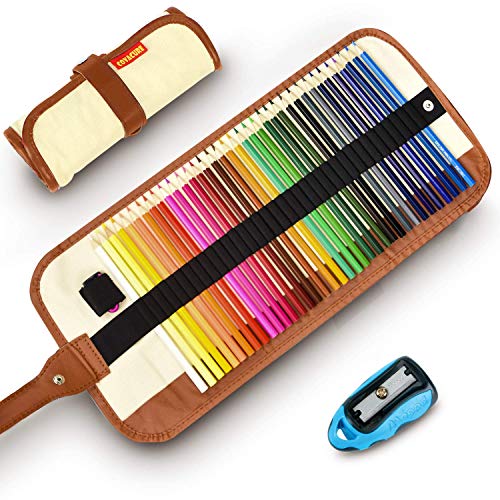
Premium Colored Pencil Set - Color pencil length: 17.5CM / 7-Inch pencil core diameter: 0.4cm / 0.16 inch Force degree: 15.3N Hardness: 73 (HK) / MPa Attrition: 2.3 mm.
Choosing the Right Colors
Select colors that reflect the natural tones of trees and fruits. Use greens, browns, and a rainbow of fruit colors. For example, apples can be red, green, or yellow. Choose vibrant shades that stand out against the tree’s foliage. When coloring, consider using a color wheel to help mix colors effectively. Start with a light base color, then layer darker shades to create depth and realism.
Blending and Shading
Use blending to create smooth transitions between colors. A blending stump or your finger can smudge colored pencil edges for a soft look. When shading, apply a darker tone along the edges of fruits and beneath leaves to create shadows. This technique adds dimension. For instance, shade one side of each fruit to suggest light coming from a specific direction. Practice gradual shading to ensure a natural appearance.
Common Mistakes to Avoid
When drawing a tree with fruits, several common mistakes can hinder your progress. Recognizing and addressing these issues can vastly improve your artwork.
Overcomplicating the Design
Simplicity often leads to clarity. Avoid adding unnecessary details that complicate the drawing. Focus on the essential elements of the tree, such as the trunk, canopy, and fruits. Use clean lines and avoid cluttering the background with too much detail. Start with basic shapes, such as circles for fruits and ovals for leaves. Once you have the primary structure in place, gradually add details. This approach maintains focus on the tree’s core features.
Improper Proportions
Proportions play a crucial role in creating a realistic tree. Ensure the trunk is wide enough to support the canopy and fruits. A common mistake is making the trunk too narrow or the fruits too large. Use a reference photo to maintain accurate proportions. Measure the height and width of the trunk in relation to the leaves and fruits. Take time to practice these measurements; they help build a solid foundation for your tree drawing. Remember, keeping proportions balanced enhances the overall look of your artwork.
Conclusion
Drawing a tree with fruits can be a rewarding experience that brings your artistic skills to life. As you embrace the process remember to enjoy every moment and let your creativity flow. Don’t rush through the details; each stroke adds character to your masterpiece.
With practice and patience you’ll find your unique style. Whether you’re capturing the vibrant colors of summer fruits or the subtle shades of autumn leaves your drawings will reflect your passion for nature. Keep experimenting with different techniques and materials to discover what works best for you.
So grab your pencils and start sketching that beautiful fruit tree. You’ve got this!
Frequently Asked Questions
What materials do I need to draw a colorful fruit tree?
To draw a colorful fruit tree, you’ll need various grades of pencils for sketching and shading, different types of erasers, heavy textured paper, vibrant colored pencils or markers, and fine liner pens for outlining. Access to inspiration sources like photographs, nature walks, art books, and online tutorials will also help enhance your drawing experience.
How do I start drawing a fruit tree?
Begin by choosing the type of tree, like an apple or cherry tree. Sketch the trunk and roots first for a natural appearance. Then, shape the canopy, position the fruits, and add texture to the trunk. Gradually develop the foliage and finalize details before shading and outlining your drawing.
What coloring techniques should I use for my fruit tree drawing?
When coloring your fruit tree, select colors that represent natural tones, including greens, browns, and various fruit shades. Use a color wheel for mixing, starting with light base colors and layering darker shades for depth. Blending techniques will help create smooth transitions, while shading adds dimension.
What common mistakes should I avoid when drawing a fruit tree?
Avoid overcomplicating your drawing by focusing on essential elements like the trunk, canopy, and fruits. Ensure proper proportions, making the trunk wide enough to support the canopy and fruits. Use reference photos for accuracy and keep your design simple to enhance realism in your artwork.
Why is patience important when drawing a fruit tree?
Patience is crucial in drawing to achieve attention to detail and to ensure a polished final result. Each step, from sketching to coloring, requires time and care. Enjoying the artistic journey allows you to better appreciate your progress and refine your techniques as you bring your fruit tree to life.
