

Banana trees can thrive in Vermont with proper care and attention to cold-hardiness. Selecting the right variety and implementing protective measures will ensure successful growth even in New England’s chilly climate.
Cold-Tolerant Banana Varieties for Vermont
Choosing the right banana tree variety is crucial for success in Vermont. Some varieties are specifically bred for cold tolerance and can withstand lower temperatures. Look for options like the Musa basjoo, which is known for its hardiness and ability to survive winter conditions.
Consider these factors when selecting a variety:
Temperature tolerance: Look for varieties that can handle at least 20°F.
Growth rate: Some varieties grow faster, providing quicker yields.
Size: Ensure the tree fits your available space.
Recommended Products
![Greenwood Nursery: Live Perennial Plants - Musa Basjoo Cold Hardy Banana - [Qty: 2X Pint Pots] - (Click for Other Available Plants/Quantities)](https://m.media-amazon.com/images/I/51cl7jVVE3L._SL500_.jpg)
🌿 [INFO1] - Gives a tropical look to your garden. Grows from the Southern U.S. all the way to the southern part of Canada. A hardy Flowering Banana plant provides a tropical plant or jungle garden feel for pool landscapes, zen gardens and also makes an excellent container plant for porches, decks, patios & sunny areas of the house. The yellow orange flowers will produce small ornamental fruits that are not edible.

Live Plants for Planting 🌱 – Includes 4 rooted Musa basjoo banana plants, ready to plant in your garden or large pots.

HARDY AND VERSATILE: The Musa Basjoo Banana Tree is celebrated for its impressive cold tolerance, thriving in USDA zones 3-7. It's perfect for introducing a tropical flair to a variety of climates.
Top Cold-Hardy Banana Varieties for Vermont
When considering banana trees for Vermont’s unique climate, selecting cold-hardy varieties is essential for successful growth. These resilient types can withstand lower temperatures while still producing fruit, making them suitable for New England gardens. Below are some of the top cold-hardy banana varieties that thrive in Vermont’s challenging weather conditions.
| Variety | Hardiness Zone | Height | Yield Potential |
|---|---|---|---|
| Musa basjoo | 5-10 | 6-10 ft | Moderate |
| Dwarf Orinoco | 8-10 | 4-6 ft | High |
| Ice Cream Banana | 9-10 | 6-10 ft | Moderate |
Winter Protection Strategies for Banana Trees
Banana trees, while typically associated with warmer climates, can thrive in Vermont with the right winter protection strategies. This section explores effective methods to shield these tropical plants from harsh New England winters, ensuring their survival and continued growth despite the cold temperatures. Implementing these techniques can help gardeners successfully cultivate banana trees in a challenging environment.
Proper winter preparation is essential for banana trees in Vermont. These trees require insulation and shelter from harsh winter winds. Implementing protective measures will help them survive the cold months.
Follow these steps for effective winter protection:
Mulch: Apply a thick layer of organic mulch around the base to retain soil warmth.
Wrap: Use burlap or frost cloth to wrap the trunk and leaves.
Shelter: Consider building a temporary structure or using a cold frame to shield the plants.
Recommended Products

PACKAGE: The package includes 4Pcs plant covers,will meet your daily use or replacement. Measuring 31.5" x 47.3", the plant protector is waterproof, windproof.
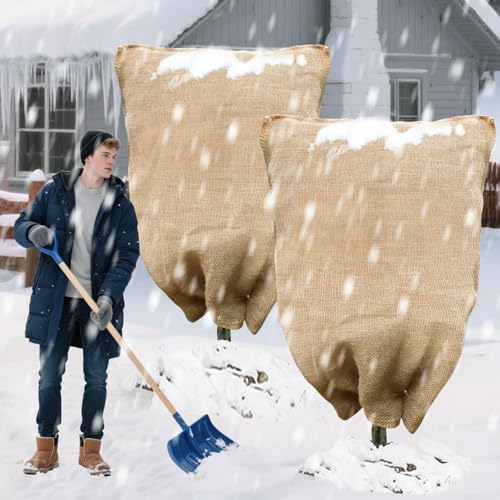
[VALUE 2 PACK]:You will receive 2PCs burlap plant cover bags, each measuring 45 X 47 inches. This ample quantity and rustic design ensure you have enough covers to protect your plants throughout winter, with added convenience for replacement. Perfect for various garden sizes and tree types.

Larger Size: The size of our burlap winter plant cover bags is 40 × 47 inch, which are larger and more suitable for most of plants, besides, the mouth of it is about 36 inches, and will provide great convenience for put on or take off, and minimize the damage to your adorable plants.
Winter Protection Strategies for Banana Trees
Banana trees, while typically associated with warmer climates, can thrive in Vermont with the right winter protection strategies. As temperatures drop, these tropical plants require specific care to survive the harsh New England winters. Understanding effective methods for safeguarding banana trees will ensure their resilience and growth in the colder months.
| Step | Description |
|---|---|
| Apply mulch | Use straw or wood chips around the base |
| Wrap with burlap | Protect the trunk and leaves from frost |
| Build a shelter | Create a frame to shield against wind and snow |
Cold-Hardy Banana Tree Planting Strategies
Planting banana trees in Vermont requires careful consideration of cold-hardiness strategies to ensure their survival in the region’s harsh winters. By selecting the right varieties and employing specific planting techniques, gardeners can successfully cultivate these tropical plants even in New England’s challenging climate. This section will explore effective methods for establishing banana trees that can withstand colder temperatures.
Planting banana trees correctly is vital for their growth and survival. The right location and soil conditions can significantly impact their resilience to cold.
Consider the following when planting:
Location: Choose a south-facing area that receives full sun.
Soil: Use well-draining, rich soil to promote healthy root development.
Spacing: Allow adequate space between trees for air circulation and growth.
Recommended Products
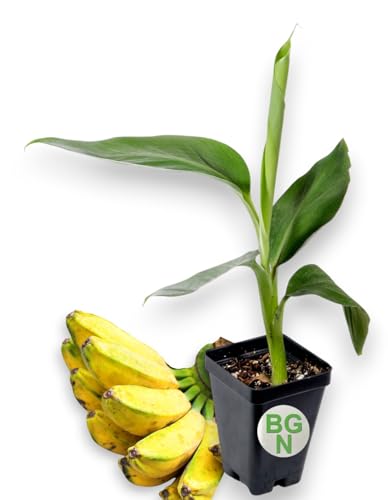
Size and Growth: The California Gold Banana plant is compact yet striking, reaching a mature height of about 5 to 7 feet. This manageable size makes it perfect for smaller spaces, urban gardens, or even as a potted plant on patios and balconies. Despite its smaller stature compared to other banana varieties, it delivers lush, wide leaves that lend a distinctly tropical feel to any setting.


CHOOSE YOUR FAVORITE BANANA VARIETY – Select from Grand Nain, Dwarf Cavendish, Double Mahoi, Curly Tiny, or Basjoo Banana plants. Each variety offers unique characteristics, from sweet edible fruit to striking ornamental foliage and cold-hardy landscape performance.
Optimal Soil and Spacing for Bananas
When growing banana trees in Vermont, understanding optimal soil conditions and proper spacing is crucial for their success in a colder climate. The right soil composition and adequate spacing not only promote healthy growth but also enhance the trees’ resilience against the challenges posed by New England winters. This section delves into the best practices for achieving these essential factors.
| Guideline | Recommendation |
|---|---|
| Soil type | Well-draining, loamy soil |
| Sun exposure | Full sun for at least 6 hours daily |
| Spacing | 4-6 feet apart for optimal growth |
Watering and Fertilization Strategies for Banana Trees
Successfully growing banana trees in Vermont requires careful attention to their watering and fertilization needs, especially given the region’s colder climate. Understanding the specific moisture and nutrient requirements can help ensure these tropical plants thrive despite the challenges posed by New England’s weather. This section outlines effective strategies to keep your banana trees healthy and productive.
Watering and fertilization play a crucial role in the health of banana trees. Proper management ensures they have the nutrients needed to thrive, especially during the growing season.
Implement these practices:
Watering: Keep the soil consistently moist but not waterlogged.
Fertilizing: Use a balanced fertilizer every 4-6 weeks during the growing season.
Monitoring: Check for signs of nutrient deficiency or overwatering.
Watering and Fertilizing Banana Trees
Successfully growing banana trees in Vermont requires careful attention to their watering and fertilizing needs, especially given the region’s unique climate challenges. Proper hydration and nutrient management are essential for promoting healthy growth and fruit production, ensuring these tropical plants can thrive even in colder conditions. Understanding the specific requirements for watering and fertilizing will help gardeners maximize their banana tree’s potential.
| Task | Frequency | Notes |
|---|---|---|
| Watering | Weekly | Adjust based on rainfall and soil moisture |
| Fertilizing | Every 4-6 weeks | Use a balanced fertilizer |
| Monitoring | Bi-weekly | Look for yellowing leaves or wilting |
Cold Damage Indicators for Banana Trees
Understanding the signs of cold damage is crucial for successfully growing banana trees in Vermont’s challenging climate. These indicators can help you assess the health of your plants and take appropriate measures to protect them from harsh winter conditions. By recognizing these symptoms early, you can enhance your chances of nurturing resilient banana trees in New England.
Identifying cold damage early is crucial for recovery. Banana trees can show signs of stress from cold temperatures, which may require immediate attention.
Watch for these symptoms:
Wilting leaves: Indicates stress from cold or lack of water.
Brown edges: Sign of frost damage on leaf tips.
Stunted growth: Can result from prolonged exposure to cold.
Cold Damage Symptoms and Solutions
Understanding the symptoms of cold damage in banana trees is essential for successful cultivation in Vermont’s challenging climate. This section outlines the key signs to look for when your plants are affected by low temperatures and offers practical solutions to mitigate damage, ensuring your banana trees thrive despite the cold New England winters.
| Symptom | Possible Cause | Recommended Action |
|---|---|---|
| Wilting leaves | Cold stress or drought | Increase watering and shelter |
| Brown edges | Frost damage | Wrap leaves and reduce exposure |
| Stunted growth | Prolonged cold exposure | Provide insulation and nutrients |
Successful Banana Tree Care Strategies
Successfully growing banana trees in Vermont requires a unique approach due to the region’s cold climate. Understanding specific care strategies can help ensure these tropical plants thrive despite the challenges of New England winters. This section outlines effective techniques for nurturing banana trees in a less-than-ideal environment.
Implementing these strategies will enhance the chances of successfully growing banana trees in Vermont. Focus on selecting the right variety, preparing for winter, and managing care throughout the year.
