

Wondering how often you should water your fruit trees? You’re not alone. Many gardeners struggle with finding that perfect balance between too much and too little water. Overwatering can lead to root rot, while underwatering can stunt growth and reduce fruit yield.
This article will guide you through the essentials of watering fruit trees. You’ll discover tips tailored to different types of trees and climates, helping you nurture your plants for the best harvest. By the end, you’ll feel confident in your watering routine and ready to enjoy the fruits of your labor.
Key Takeaways
- Understanding Watering Needs: The frequency of watering fruit trees is influenced by soil type, climate conditions, and the age or size of the tree.
- Soil Type Importance: Sandy soils drain quickly and need more frequent watering, while clay soils retain moisture. Loamy soils offer a balanced approach.
- Age Matters: Young trees require more frequent watering (2-3 times a week), while mature trees typically need watering every two to four weeks, depending on environmental factors.
- Identify Stress Signs: Recognize signs of underwatering, such as wilting leaves and dry soil, and symptoms of overwatering like yellowing leaves and mushy roots to adjust your watering practices accordingly.
- Best Watering Practices: Use deep watering techniques and avoid watering the trunk directly. The optimal times for watering are early morning, and applying mulch helps retain soil moisture.
- Tailor Your Routine: Adjust your watering schedule based on seasonal changes, rainfall amounts, and tree health observations to promote optimal growth and fruit yield.
Factors Affecting Watering Frequency
Watering frequency for fruit trees varies based on several key factors. Understanding these elements helps you establish a tailored watering routine.
Soil Type
Soil type significantly influences how often you water your fruit trees. Sandy soils drain quickly and require more frequent watering. Clay soils retain water, reducing the need to water often. Loamy soils offer a balance; you can water moderately. Test your soil moisture by digging a few inches down. If it’s dry, it’s time to water.
Climate Conditions
Climate conditions play a vital role in determining watering frequency. In hot, dry climates, you may need to water your fruit trees more often. Conversely, in cooler, humid regions, you can reduce watering frequency. Pay attention to rainfall amounts. After significant rain, you can postpone watering. Use a rain gauge to track precipitation levels effectively.
Tree Age and Size
Tree age and size are crucial considerations for watering frequency. Young trees have shallow root systems and require more consistent moisture. Mature trees, with deeper roots, can tolerate longer intervals between watering. Adjust your watering schedule according to the size of your tree. For new trees, watering 2-3 times a week is beneficial. For established trees, once a week often suffices, depending on environmental conditions.
By considering soil type, climate conditions, and tree age, you can maintain a healthy watering routine that meets your fruit trees’ specific needs.
Recommended Watering Guidelines
Watering fruit trees requires a tailored approach based on the age and type of tree. Here are some essential guidelines to follow.
Recommended Products

4-Hole Side Design: This high-performance tree watering spike makes it easy to deliver water and fertilizer directly to the root zone. The upgraded side-hole design helps improve watering efficiency, while the sharp tip makes it easy to push into hard or compact soil. The 4 side outlets help reduce clogging and distribute water more evenly for deep root watering and feeding.

【Slow Release Hydration】Each tree watering bag holds 20 gallons and releases water steadily over 5-8 hours. This controlled flow helps moisture penetrate deep into the root zone, supporting consistent hydration for your trees. It serves as an effective watering tool for newly planted saplings or established trees.
Young Trees
Young fruit trees need frequent watering to establish strong roots. Water them deeply once a week, providing about 10 to 15 gallons of water. Increase the frequency during hot, dry spells, especially within the first two years after planting.
Signs that young trees need water include wilting leaves and dry soil. Always check the moisture level by digging a couple of inches into the soil. If it feels dry, it’s time to water.
Mature Trees
Mature fruit trees can tolerate longer intervals between watering, typically every two to four weeks. Water mature trees deeply, giving them about 20 to 25 gallons of water at each session. Adjust the frequency based on rainfall and temperature.
Look for signs of stress, such as leaf drop or yellowing leaves. It’s crucial to provide water during dry spells, particularly while the trees are fruiting. Use mulch around the base to retain moisture and reduce evaporation.
Signs of Underwatering and Overwatering
Understanding the signs of underwatering and overwatering helps you maintain healthy fruit trees. Look for these symptoms to adjust your watering practices effectively.
Symptoms of Stress
Underwatering symptoms include:
- Wilting Leaves: Leaves droop and may curl.
- Dry Soil: Soil feels dry several inches below the surface.
- Leaf Drop: Trees shed leaves, especially older ones.
- Stunted Growth: New growth appears limited in size or number.
Overwatering symptoms include:
- Yellowing Leaves: Leaves turn yellow, often starting at the tips.
- Mushy Roots: Roots become soft, brown, or rot.
- Waterlogged Soil: Soil remains soggy for extended periods.
- Growth Decline: Trees struggle to produce new growth.
Adjusting Watering Practices
To adjust your watering practices based on symptoms observed:
- Check Soil Moisture: Use a soil moisture meter or stick your finger into the soil. If it’s dry several inches down, water the tree.
- Establish a Schedule: For young trees, water once a week during dry spells. For mature trees, opt for every two to four weeks, adjusting for rainfall.
- Modify Amount of Water: Increase water amount if leaves wilt or the soil dries quickly. Use 10 to 15 gallons for young trees and 20 to 25 gallons for mature trees.
- Observe Conditions: Notice changes in weather. Hot, dry conditions may necessitate more frequent watering.
Regularly monitor your trees to ensure they get the right amount of water, promoting healthy growth and fruit production.
Best Practices for Watering Fruit Trees
Watering fruit trees correctly promotes health and productivity. Focus on the right techniques and timing to ensure your trees thrive.
Recommended Products
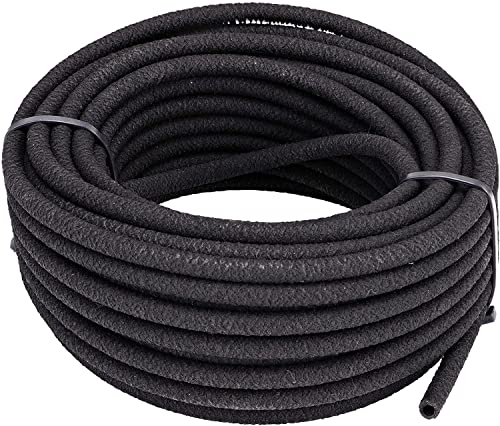
Slowly waters the soil around your plants for complete root zone hydration; Ideal for short runs on flat surfaces, such as vegetable gardens, borders, and around small plants
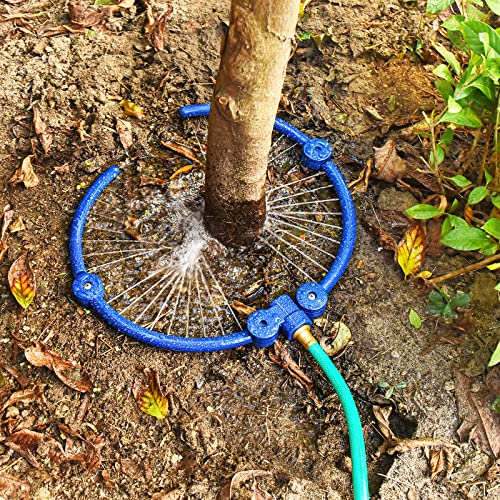
【Specially Designed for Trees and Shrubs】 The Watering Ring is a multi-purpose irrigation ring that attaches to a garden hose to efficiently water young trees shrubs vegetables or flower beds using drip or trickle irrigation.It directs water to the root perimeter of the plant to give them a good start during the first two growing seasons or through periods of drought.

【Even & Consistent Root Watering】Features micro-pore seepage technology that distributes water evenly along the entire hose, transforming spot watering into uniform line watering directly to plant roots. Unlike traditional drip irrigation systems with clog-prone emitters, this soaker hose creates a continuous moisture band for healthier, deeper-rooted plants
Watering Techniques
Use deep watering methods to reach the roots effectively. Drip irrigation, soaker hoses, or a watering can are excellent choices. Check soil moisture before watering. Insert your finger about two inches into the soil; if it feels dry, it’s time to water. Apply water evenly around the tree’s base, avoiding the trunk to prevent rot. Aim for the soil, not the leaves, as wet foliage can promote fungal diseases. Employ mulch around the tree to retain moisture, regulate temperature, and suppress weeds.
Timing and Frequency
Water young trees once a week with about 10 to 15 gallons during dry spells. Mature trees typically need watering every two to four weeks, providing 20 to 25 gallons each time. Adjust watering based on rainfall and temperature; in hotter months, increase frequency. Early morning is the best time to water, as it minimizes evaporation and allows moisture to soak into the roots. Observe your trees for signs of distress. If leaves droop or soil cracks, they likely need more water.
Conclusion
Finding the right watering routine for your fruit trees can make all the difference in their health and productivity. By paying attention to factors like soil type and climate conditions you can tailor your approach to meet their specific needs.
Remember to look out for signs of stress in your trees and adjust your watering schedule accordingly. Whether you’re nurturing young saplings or established trees a little observation goes a long way.
With the right care and attention your fruit trees will thrive and reward you with a bountiful harvest. Happy gardening!
Frequently Asked Questions
How often should I water young fruit trees?
Young fruit trees need consistent watering to establish strong roots. Typically, you should provide about 10 to 15 gallons of water deeply once a week. During hot, dry spells, you may need to increase the frequency, especially in the first two years after planting.
What watering schedule is best for mature fruit trees?
Mature fruit trees generally require watering every two to four weeks, using about 20 to 25 gallons of water each time. Always consider rainfall and temperature variations, and adjust accordingly by monitoring the tree’s health.
How can I tell if my fruit trees are underwatered?
Signs of underwatering include wilting leaves, dry soil, leaf drop, and stunted growth. If you notice these symptoms, it’s crucial to increase watering to ensure your trees receive adequate moisture for healthy growth.
What symptoms indicate overwatering in fruit trees?
Overwatering symptoms include yellowing leaves, mushy or waterlogged roots, and a generally declining growth rate. If you see these signs, reduce your watering frequency and check soil moisture to prevent further issues.
What are the best practices for watering fruit trees?
Best practices include deep watering methods such as drip irrigation or soaker hoses, watering early in the morning to minimize evaporation, and ensuring water is applied evenly around the tree’s base, avoiding the trunk, to prevent rot and fungal diseases.
