

Have you ever wondered if you need two citrus trees to enjoy fresh fruit from your garden? Many aspiring gardeners face this question, hoping to grow their own delicious oranges or lemons. It can be confusing when you see different advice online, leaving you unsure about how to get started.
Imagine planting a single tree, nurturing it, and waiting for those vibrant fruits to appear, only to find out later that you might have needed a partner for your tree. This article will clear up the confusion and give you the insights you need to make the best choice for your citrus-growing adventure. You’ll learn whether one tree is enough or if adding another is the secret to a fruitful harvest.
Key Takeaways
- Citrus Trees and Pollination: Most citrus trees are self-pollinating, meaning they can produce fruit without another tree nearby. However, cross-pollination can enhance fruit size and yield.
- Choosing Tree Varieties: Select a mix of self-pollinating varieties (like Valencia oranges) and cross-pollinating ones (like certain mandarins) for a more abundant harvest.
- Optimal Growing Conditions: Citrus trees thrive in warm climates with full sunlight (6+ hours a day) and well-drained soil. Ensure to monitor the pH of the soil for optimal growth.
- Watering and Maintenance: Water citrus trees deeply once a week; avoid soggy soil. Regular pruning helps maintain shape and health, while fertilizing during the growing season is essential for productivity.
- Pest and Disease Control: Stay vigilant against pests (like aphids) and diseases (like citrus greening) to protect your trees and ensure a fruitful harvest. Regular inspections and prompt action are key.
Understanding Citrus Trees
Citrus trees belong to the genus Citrus, which includes popular varieties like oranges, lemons, and limes. These trees thrive in warm climates and exhibit distinct characteristics.
Types of Citrus Trees
- Sweet Citrus Trees: Examples include orange and mandarin trees. These trees generally produce sweet, juicy fruit.
- Sour Citrus Trees: Lemon and lime trees fall into this category. Their fruit adds zing to dishes and drinks.
- Hybrid Citrus Trees: Varieties like tangelos and calamondin result from crossbreeding different types.
Pollination Needs
Most citrus trees are self-pollinating. They can produce fruit without a second tree nearby. In ideal conditions, one tree can bear fruit on its own. Yet, having a second tree can boost fruit yield and size through cross-pollination.
Factors Influencing Fruit Production
- Tree Age: Young trees may not produce fruit until they reach maturity, typically around three to five years.
- Environmental Conditions: Trees need full sun, well-drained soil, and adequate water for optimal growth and fruiting.
- Pests and Diseases: Keep an eye out for pests like aphids or diseases like citrus greening. They can impact fruit production.
- Select the Right Variety: Choose citrus types based on your climate. For example, some varieties tolerate cold better than others.
- Plant Trees in Well-Drained Soil: Avoid waterlogged roots. Mix in organic matter to improve drainage.
- Water Regularly but Don’t Overwater: Citrus trees prefer deep watering once a week, rather than frequent shallow watering.
- Fertilize Appropriately: Use a balanced fertilizer specifically formulated for citrus. Fertilize during the growing season for the best results.
By understanding these aspects of citrus trees, you can make informed decisions to encourage healthy growth and maximize fruit production.
Pollination Requirements
Understanding the pollination requirements of citrus trees helps ensure a successful fruit harvest. While many citrus varieties can thrive and bear fruit on their own, knowing the types of pollination can guide your planting decisions.
Recommended Products
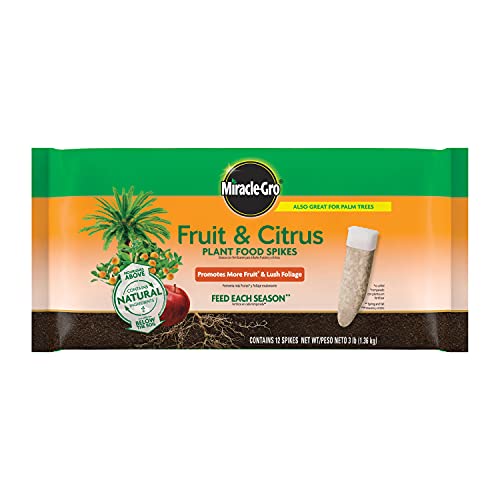
FORMULATED FOR CITRUS AND FRUIT TREES: Use these citrus fertilizer spikes on apple, orange, lemon, lime, and avocado trees; this formula is also great for feeding palm trees


Package contains 9 fruit and citrus fertilizer spikes and is produced to avoid wasteful runoff, mess, hazards and smells
Self-Pollinating Citrus Trees
Self-pollinating citrus trees can produce fruit without needing another tree for cross-pollination. Examples include most varieties of oranges, lemons, and limes. These trees have both male and female reproductive structures, allowing them to fertilize their own flowers.
To maximize fruit production, ensure good air circulation around the tree. Increased airflow helps pollen transfer within the flowers. Healthy trees produce more flowers, which leads to more fruit.
Cross-Pollinating Citrus Trees
Cross-pollinating citrus trees benefit from having another tree nearby to enhance fruit yield and size. Varieties such as certain mandarins and grapefruit may perform better with a second tree for pollen exchange.
For effective cross-pollination, plant different varieties that bloom simultaneously; this increases pollen availability. Consider your local climate and choose compatible varieties that grow well together. The result can be larger and more abundant fruits, enriching your gardening experience.
While a single citrus tree often suffices, adding another tree can improve your harvest. Evaluate your space and preferences before deciding on your citrus garden setup.
Factors Affecting Fruit Production
Fruit production in citrus trees depends on several key factors that influence yield and quality. Understanding these can help you maximize your harvest.
Tree Variety
Tree variety significantly impacts fruit production. Self-pollinating varieties, like Valencia oranges and Eureka lemons, can produce fruit without another tree nearby. These trees often yield sufficient fruit on their own. However, cross-pollinating varieties, such as certain mandarins and grapefruits, benefit from having another tree for optimal fruit size and quantity. Consider choosing a mix of self-pollinating and cross-pollinating varieties to enhance overall production in your garden.
Climate and Location
Climate and location play crucial roles in citrus fruit production. Citrus trees thrive in warm, subtropical to tropical climates. They prefer temperatures between 70°F and 100°F during the growing season. Ensure your trees get full sunlight for at least six hours daily. If you live in a cooler area, opt for varieties better suited to lower temperatures. Additionally, well-drained soils contribute to healthy root systems, which in turn promote fruit production. Planting your citrus trees in a sheltered location can protect them from harsh winds and frost, further enhancing their growth potential.
Best Practices for Growing Citrus Trees
Growing citrus trees requires attention to specific practices that promote healthy development and fruit production. Implement the following guidelines to optimize your citrus garden.
Recommended Products

Made for Lemon & Citrus Trees – Formulated to support healthy growth in lemon and citrus plants.

🍋 EXPLOSIVE HARVEST: GardenWise ignites a remarkable yield boost. Its scientific blend, featuring 6% nitrogen for growth, 4% phosphorus for flowering, and 6% potassium for fruit quality, culminates in an abundance of flavorful, aromatic fruits. This is more than growth; it's a nutrient-powered revolution in your citrus yield.

Balanced Organic Nutrition – Supplies a 6‑3‑3 NPK ratio along with calcium, sulfur, iron, and zinc to foster healthy foliage, flowering, and fruit.
Soil and Watering
Soil choice directly impacts growth. Use well-draining soil to prevent root rot. A mixture of sandy loam and organic matter, like compost, creates a favorable environment. Test the pH level; citrus trees thrive in slightly acidic soil, ideally between 6.0 and 6.5.
Watering needs vary. Keep the soil consistently moist but not soggy. Water deep to encourage root establishment. During the growing season, about once a week usually suffices. Adjust frequency based on rainfall, temperature, and tree size. Always check the top inch of soil before watering; if it’s dry, it’s time to water.
Pruning and Maintenance
Pruning enhances air circulation and sunlight access. Start by removing dead or crossing branches. Ideally, prune in late winter or early spring before new growth begins. Focus on shaping the tree for a balanced canopy.
Fertilizing supports growth and fruiting. Use a balanced fertilizer formulated for citrus trees. Apply it during the growing season, typically every 6-8 weeks. Pay attention to nutrient levels; nitrogen enhances leaf growth, while phosphorus and potassium support flowering and fruiting.
Monitor for pests and diseases. Common pests include aphids, spider mites, and scale. Use insecticidal soap or neem oil to manage infestations. Regularly inspect leaves and branches for signs of disease and promptly remove affected parts to minimize spread.
Implementing these practices creates a productive environment for citrus trees, improving your chances of a fruitful harvest.
Conclusion
Growing citrus trees can be a rewarding experience whether you choose to plant one or two. While most citrus trees are self-pollinating and can produce fruit on their own you might find that having a second tree can enhance your harvest.
Consider your space and preferences when deciding on the number of trees to plant. With the right care and conditions you can enjoy delicious fruits from your garden. So go ahead and start your citrus journey knowing that you’re equipped with the knowledge to make it a fruitful one. Happy gardening!
Frequently Asked Questions
Can one citrus tree produce fruit on its own?
Most citrus trees are self-pollinating, meaning they can bear fruit without needing another tree. However, having a second tree nearby can enhance fruit yield and quality through cross-pollination.
What types of citrus trees require cross-pollination?
Certain varieties, like some mandarins and grapefruits, benefit from cross-pollination. Planting different varieties that bloom simultaneously can significantly improve their fruit yield and size.
What are the most important factors for growing citrus trees?
Key factors include selecting the right variety for your climate, using well-drained soil, ensuring adequate sunlight, appropriate watering, and regular fertilization with a balanced citrus-specific fertilizer.
What soil is best for citrus trees?
Citrus trees thrive in well-draining soil, ideally a mix of sandy loam and organic matter. A slightly acidic pH level between 6.0 and 6.5 is optimal for healthy growth.
How often should I water citrus trees?
Water citrus trees consistently but avoid overwatering. Deep, infrequent watering is recommended to establish strong root systems, especially during dry spells.
