

Have you ever woken up to a surprise frost, only to find your beloved fruit trees damaged? It’s a frustrating experience for any gardener. Frost can sneak up when you least expect it, leaving you worried about your harvest and the health of your trees.
But don’t worry. This article will share practical tips to help you protect your fruit trees from frost damage. You’ll learn simple strategies that can make a big difference, ensuring your trees stay healthy and productive. With a little preparation, you can enjoy a bountiful harvest year after year, no matter what the weather throws your way.
Key Takeaways
- Understand Frost Damage: Recognize how frost can affect fruit trees, leading to issues like killed buds, bruised leaves, and overall reduced growth, particularly in sensitive species such as peaches and cherries.
- Monitor Temperature Fluctuations: Be aware of temperature changes, especially in early spring, and utilize local weather forecasts to anticipate conditions that may increase the risk of frost damage.
- Choose Hardy Varieties: Opt for cold-tolerant fruit tree varieties to improve resilience against frost, ensuring successful harvests in fluctuating climates.
- Implement Strategic Planting: Position trees in locations that receive full sunlight and are sheltered from cold winds, and avoid low-lying areas prone to frost accumulation.
- Timing and Pruning: Carefully time the planting and pruning of trees to prevent premature blooming and enhance tree health against unexpected cold snaps.
- Utilize Protective Measures: Use frost covers, create microclimates, and apply proper soil management techniques to further protect fruit trees from frost damage and promote healthier growth.
Understanding Frost Damage
Frost can seriously harm your fruit trees. Understanding frost damage helps you take effective measures to protect them.
Recommended Products

PACKAGE: The package includes 4Pcs plant covers,will meet your daily use or replacement. Measuring 31.5" x 47.3", the plant protector is waterproof, windproof.

The Large plant cover is perfect for Plant size 55''-70"high and 84''-94" round, Heavy-weight FRCs (1.77oz./sq. yard): usually used to extend the growing season in spring and fall, allow 40%-60% light transmittance, and recommend 3°-8°F of freeze protection
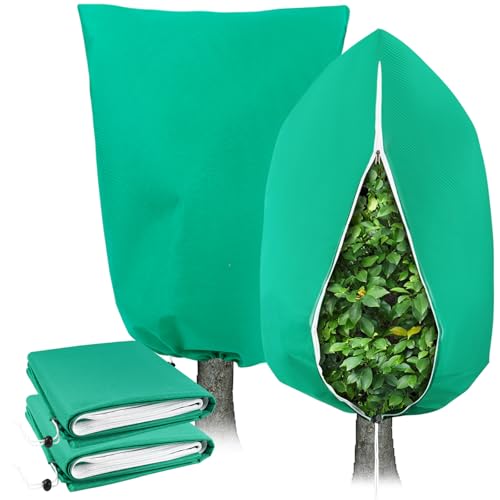
PLANT COVERS FREEZE PROTECTION FOR WINTER:You will receive 2 pack 47 * 72 inch frost blankets cloths for outdoor plants, designed specifically for outdoor plant protection, which can resist frost, snow, rain, wind, hail, animals, insects, birds, etc. Frost cloths for outdoor plants providing sufficient coverage space and is very suitable for shrubs, small trees, flowers, vegetables, etc
What Is Frost Damage?
Frost damage occurs when temperatures drop below freezing, affecting plant tissues. This damage can manifest as blackened buds, wilted leaves, or even dieback in branches. Sensitive fruit trees, like peach and cherry, suffer the most; their blossoms often emerge before the last frost. You might notice damaged areas on the tree where temperature fluctuations have created stress.
How It Affects Fruit Trees
Frost negatively impacts fruit trees in several ways:
- Buds and Blossoms: When frost hits, it can kill developing buds and flowers. Trees lose their ability to produce fruit if this occurs during critical growth periods.
- Leaf Health: Frost affects leaves, leading to bruising and tissue death. This can reduce photosynthesis, limiting nutrient production for the trees.
- Overall Growth: Trees damaged by frost may experience reduced growth in subsequent years. Recovery often takes longer, impacting future yields.
By understanding these effects, you can implement strategies to shield your trees from frost damage effectively.
Key Factors Contributing to Frost Damage
Understanding key factors that contribute to frost damage can help you take preventive measures for your fruit trees. Two major factors are temperature fluctuations and tree vulnerability.
Temperature Fluctuations
Temperature fluctuations often occur in early spring. During this time, daytime temperatures may rise above freezing, while nighttime temperatures drop significantly. This can lead to confusion for fruit trees that begin to bud or bloom prematurely. When nighttime temperatures plummet, it increases the risk of frost damage. You can monitor local weather forecasts to anticipate these fluctuations and act accordingly.
Tree Vulnerability
Tree vulnerability varies by species. Certain fruit trees, such as peaches and cherries, are more susceptible to frost damage due to their early blooming cycles. Trees stressed by drought or nutrient deficiency may also show increased susceptibility. Maintaining optimal watering and soil conditions helps enhance tree resilience. Additionally, consider planting frost-resistant varieties or using protective measures like row covers or windbreaks to shield delicate blossoms from unexpected cold snaps.
Prevention Strategies
Implementing effective prevention strategies safeguards your fruit trees from frost damage. Utilize these strategies to maintain healthy and productive trees.
Recommended Products

Upgrade Rounded Top Plant Covers: The plant covers freeze protection adopt a newly upgraded dome expansion design, creating maximum 3D protective insulation space. It outperforms flat covers of the same size, effectively reducing the risk of branch/leaf breakage, and provides a warm, safe overwintering environment for trees, shrubs, flowers, vegetables, and other outdoor plants in autumn and winter
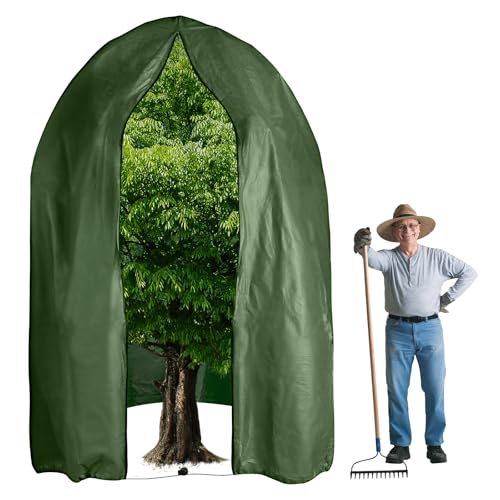
Extra Large Size:Our winter plant covers are designed with a super large size,It is about 110"x79", which is large enough to fit the plants easily, suit for protecting large plants and provides better protection from wind,snow,ice frost damage

Revolutionary Anti-freeze Protection: Plant covers freeze protection is made of 100% Reliable non-woven thickened polypropylene fabric Because the frost cloth fabric Thickness is 3.2 oz/yd² thicker and warmer, tear resistant than less expensive 1.3 oz/yd² fabric. Provides up to 2° F(-17℃) frost protection. In winter, frost blankets for outdoor plants can form a insulation layer for plants to isolate cold air and retain the oxygen required for plant respiration
Selecting Hardy Varieties
Choose fruit tree varieties known for their cold tolerance. Examples include ‘Montmorency’ cherries and ‘Reliance’ peaches. Hardy varieties demonstrate better resilience against sudden temperature drops, positioning you for a more successful harvest. Research local nurseries to identify trees recommended for your climate zone, ensuring optimal growth and minimal frost risk.
Strategic Planting Techniques
Plant your fruit trees in advantageous locations. Select areas that receive full sunlight and are shielded from cold winds, like near south-facing walls or fences. Elevate planting beds to improve drainage and reduce frost formation. Additionally, group trees together to create microclimates, which can slightly raise temperatures and provide protection from freezing conditions. Also, avoid low-lying areas to prevent cold air accumulation around your trees.
Timing and Pruning Considerations
Time your planting and pruning strategically to minimize frost exposure. Plant after the last anticipated frost date and carefully monitor local forecasts. Prune trees during late winter or early spring to encourage robust growth without stimulating premature blooming. Remove dead or weak branches to strengthen overall tree health and improve airflow. This allows your trees to better withstand unexpected cold snaps.
Additional Protective Measures
Implementing additional protective measures helps safeguard fruit trees from frost damage and enhances their resilience to unpredictable weather. Consider the following strategies to ensure healthy blossoms and fruit.
Recommended Products

📦 A Set of Multi-size with Side Zipper Design:Our all-in-one winter plant frost kit includes 6 protective covers in 3 practical sizes: 23.6×31.5",31.5×47.2",47.2×70.9".Unique vertical side zipper on each cover for super easy installation and daily inspection.No need to buy separate covers for different greenery!Small sizes fit potted saplings & miniature plants, medium ones match garden bushes,and large oversized wraps perfectly shelter tall shrubs.

The small plant cover is perfect for Plant size 16''-23"high and 36''-46" round, Heavy-weight FRCs (1.77oz./sq. yard): usually used to extend the growing season in spring and fall, allow 40%-60% light transmittance, and recommend 3°-8°F of freeze protection

The medium plant cover is perfect for Plant size 30''-39"high and 52''-62" round, Heavy-weight FRCs (1.77oz./sq. yard): usually used to extend the growing season in spring and fall, allow 40%-60% light transmittance, and recommend 3°-8°F of freeze protection
Using Frost Covers
Using frost covers provides an effective barrier against cold temperatures. Choose lightweight fabric or commercial frost cloths that allow sunlight and moisture to penetrate. When temperatures dip, cover your trees in the late afternoon or evening. Secure the covers to keep them in place, avoiding direct contact with branches and buds. Remove covers during warmer daytime hours to prevent overheating. Regularly check forecasts during the frost season to adapt promptly.
Creating Microclimates
Creating microclimates plays a vital role in protecting your fruit trees from frost. Plant trees near structures like buildings or fences, which can provide warmth. This positioning creates a sheltered area that retains heat. Grouping trees together can enhance this effect, as the trees offer each other protection. Consider adding mulch around the base of trees to insulate roots and maintain soil temperature. You could also use strategic windbreaks, such as shrubs or taller plants, to shield your trees from cold winds.
Techniques for Soil Management
Soil management techniques also influence frost resistance. Apply organic matter, like compost, to improve soil structure and water retention. Healthy soil promotes robust root systems, enabling trees to better withstand temperature fluctuations. Ensure proper drainage to prevent waterlogging, which can weaken trees and increase frost susceptibility. Monitor soil temperature; a warm root zone can help keep trees insulated against freezing air. Regularly watering trees before frost events can also help, as moist soil retains heat better than dry soil.
Utilizing these additional protective measures enables you to effectively safeguard your fruit trees, enhancing their chances of thriving despite frost challenges.
Conclusion
Taking proactive steps to protect your fruit trees from frost damage can make all the difference in your harvest. By choosing hardy varieties and employing smart planting techniques you’re setting your trees up for success.
Remember to keep an eye on local weather forecasts and be ready to act when temperatures dip unexpectedly. With the right care and attention your trees can thrive even in the face of frost. Enjoy the process and watch your garden flourish throughout the seasons. Happy gardening!
Frequently Asked Questions
What is frost damage to fruit trees?
Frost damage occurs when temperatures drop below freezing, affecting fruit trees’ buds, leaves, and branches. This can lead to blackened buds, wilted leaves, and dieback, especially in sensitive trees like peaches and cherries, which may bloom too early, risking their health and future yields.
How can I prevent frost damage to my fruit trees?
To prevent frost damage, select cold-tolerant varieties, plant in sunny, sheltered locations, and create microclimates by grouping trees. Use frost covers during cold snaps and ensure optimal watering and soil conditions. Timing your planting and pruning is also crucial to minimize exposure.
What types of fruit trees are most vulnerable to frost?
Peach and cherry trees are among the most vulnerable to frost damage. They often blossom early in spring before the last frost, making them susceptible to cold weather, especially if they are stressed due to drought or nutrient deficiencies.
Why is it important to monitor local weather forecasts?
Monitoring local weather forecasts helps gardeners anticipate temperature fluctuations that could cause frost damage. Being informed allows for timely protective measures, ensuring the health and productivity of fruit trees, especially during early spring when conditions can change rapidly.
What are some effective protective measures for fragile blossoms?
Protective measures include using lightweight frost covers to shield trees during cold snaps, creating microclimates by planting near structures, and grouping trees together. These strategies help retain warmth and protect delicate blossoms from unexpected temperature drops.
