

Have you ever noticed ants marching up and down your fruit trees and wondered if they’re friend or foe? You’re not alone. Many gardeners find themselves puzzled by these tiny creatures that seem to have taken up residence in their orchards. While ants can be fascinating to watch, their presence might signal bigger issues lurking beneath the surface.
Key Takeaways
- Ant Behavior Matters: Understanding ant behavior is essential as some species can signal pest issues, particularly aphids, which can harm fruit trees.
- Mixed Impacts: Ants can be both beneficial (soil aeration, pest control, seed dispersal) and detrimental (farming aphids, soil disruption) to fruit trees, so their overall impact depends on the context.
- Monitor Ant Populations: A high presence of ants often indicates underlying pest problems, making it crucial to monitor their numbers and take preventive actions accordingly.
- Species-Specific Effects: Different ant species have unique effects; for instance, carpenter ants can signal wood decay, while honeydew ants and field ants often accompany harmful aphid populations.
- Effective Management Strategies: Employ a mix of natural deterrents (like diatomaceous earth and vinegar solutions) and targeted chemical solutions (such as ant baits and insecticidal sprays) to control ant populations without harming beneficial insects.
- Balanced Ecosystem: Strive to maintain a balanced garden ecosystem, where beneficial ant activities are encouraged while managing potential threats to fruit trees.
Understanding Ant Behavior
Ants exhibit fascinating behaviors that can either benefit or harm your fruit trees. Knowing more about these insects helps you determine the best course of action.
Types of Ants Commonly Found in Orchards
- Carpenter Ants: These ants nest in wood and can weaken trees over time. They don’t directly harm the trees but may indicate decay.
- Honeydew Ants: These ants are attracted to aphids, as they harvest the sticky honeydew produced by these pests. Their presence usually signals aphid infestations, which harm fruit trees.
- Field Ants: Often found in gardens, field ants can protect aphids from predators. By fostering aphid populations, they indirectly harm your trees.
- Leafcutter Ants: These ants cut leaves to cultivate fungi for food. While they might not damage fruit trees directly, they can weaken other nearby vegetation.
Ant Activities and Their Impact
Ants actively manage their environment. They farm aphids, protect them from natural predators, and transport them to new plants. This behavior leads to increased aphid populations, which can cause significant damage to your fruit trees.
Ants also create nests in the soil near the roots. While this can aerate the soil, excessive tunneling may disturb root systems, leading to stress for your trees.
Monitoring ant behavior in your orchard is crucial. Spotting them often means certain pests, like aphids, are present. Addressing these underlying pest issues will protect your fruit trees more effectively than trying to eliminate the ants without considering the bigger picture.
The Relationship Between Ants and Fruit Trees
Understanding the relationship between ants and fruit trees involves recognizing both the positive and negative impacts these insects can have on your garden.
Recommended Products
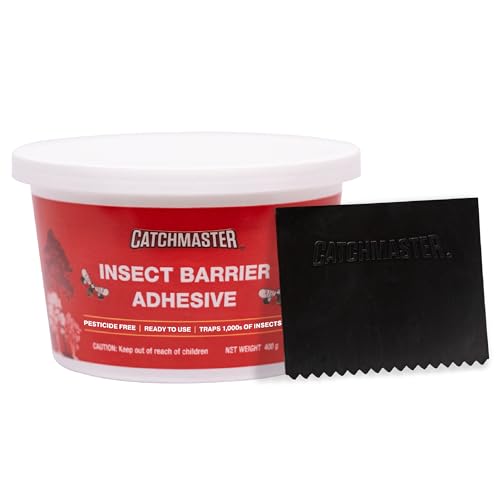
SAVE YOUR TREES: Our specially-formulated Insect Barrier Adhesive can be combined with standard plastic wrap to create tree band sticky traps for bugs. Tree bands are effective at controlling and monitoring invasive species like the spotted lanternfly, cankerworms, moths, black vine weevils, ants, caterpillars, and stink bugs, cicadas, cutworms and other crawling insects
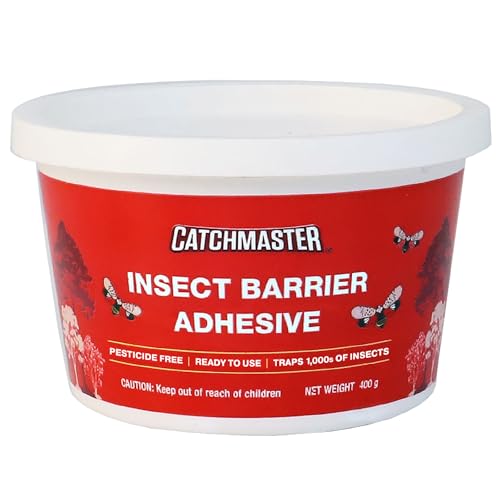
SAVE YOUR TREES: Our specially-formulated Insect Barrier Adhesive can be combined with standard plastic wrap to create tree band sticky traps for bugs. Tree bands are effective at controlling and monitoring invasive species like the spotted lanternfly, cankerworms, moths, black vine weevils, ants, caterpillars, and stink bugs, cicadas, cutworms and other crawling insects

KILLS LISTED FRUIT & CITRUS TREE INSECTS: Controls Asian Citrus Psyllid, Whiteflies, Aphids Thrips, Citrus Leafminers, Leafhoppers, Blackfly, Mealybugs, Scales, Avocado Lacebugs, Oriental Beetles, Flea Beetles, Sharpshooters, and Spittlebugs
Beneficial Aspects of Ants
Ants play a crucial role in your orchard’s ecosystem. They help with:
- Soil Aeration: Ants tunnel through the soil, which improves air circulation and water penetration, enhancing root health.
- Pest Control: Certain ant species can control pest populations by preying on harmful insects. This natural predation can help maintain the balance of your garden’s ecosystem.
- Seed Dispersal: Some ants carry seeds to their nests, helping with plant propagation. This process can contribute to the growth of new plants around your fruit trees.
Detrimental Effects of Ants
Despite their beneficial roles, ants can also cause problems:
- Aphid Farming: Ants often protect and farm aphids, which secrete honeydew. This symbiotic relationship can lead to increased aphid populations, harming your fruit trees by sucking sap and spreading diseases.
- Soil Disruption: While tunneling can aerate soil, excessive ant activity can disturb root systems, potentially leading to weakened trees.
- Indicator of Issues: A high ant population often signals underlying pest problems. Monitoring their presence helps you identify when to take action against pests like aphids or mealybugs.
By understanding both the beneficial and detrimental effects of ants, you can make informed decisions to safeguard your fruit trees while fostering a balanced garden environment.
Are Ants Bad for Fruit Trees?
Ants can have mixed effects on fruit trees, significantly influencing their health and productivity. Understanding their behavior helps in deciding how to manage them effectively.
Recommended Products

SAY GOODBYE TO BUGS: TERRO Ant Killer Plus kills ants, fire ants, roaches, fleas, crickets, earwigs, millipedes, mites, palmetto bugs, silverfish, sow bugs, and more

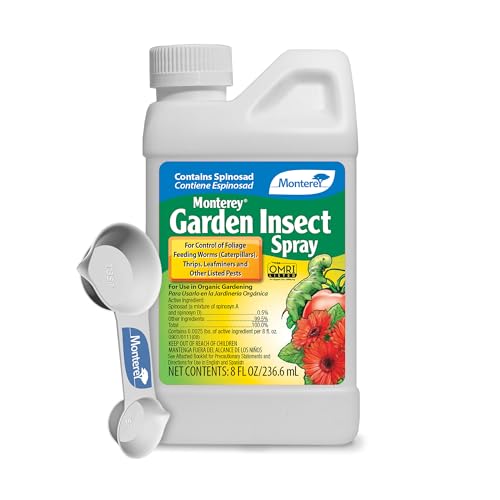
CONTROLS MANY INSECTS IN MANY SETTINGS - This insect treatment spray controls caterpillars, leafminers, codling moths, tent caterpillars, gypsy moths, trips, borers, fire ants, and more. This pest control can be used on outdoor ornamentals, lawns, vegetables, and with citrus and fruit trees.
Factors Influencing Ant Impact
- Type of Ant: Different ant species bring varying impacts. Carpenter ants may damage wood and signal decay. Honeydew ants and field ants often associate with harmful aphid populations.
- Ant Population Size: A large ant population frequently indicates other pest problems, such as aphids. Monitoring ant numbers helps in assessing potential threats to trees.
- Environmental Conditions: Healthy, balanced ecosystems may support beneficial ant activity. If conditions favor aphid growth, ants may become problematic for fruit trees.
- Study on Aphids: Research shows that ant populations can protect aphids from predators. This relationship can lead to increased aphid numbers, which harm fruit trees.
- Soil Aeration Effects: Studies highlight that certain ants improve soil aeration, enhancing root growth. However, excessive tunneling can disturb root systems and reduce tree stability.
- Management Strategies: Observations reveal that gardeners who manually control aphid populations often find that ant issues diminish over time, promoting healthier fruit trees.
Understanding these factors and findings helps you manage ants effectively, ensuring the health of your fruit trees.
Management Strategies for Ants in Fruit Orchards
Managing ants in fruit orchards involves a mix of natural and chemical solutions. Understanding and implementing effective strategies helps protect your trees and encourage a healthy ecosystem.
Recommended Products

COMPLETE ANT ELIMINATION: The Terro ant killer attracts and kills common household ants like ghost and pavement ants, targeting both visible ants and hidden colonies
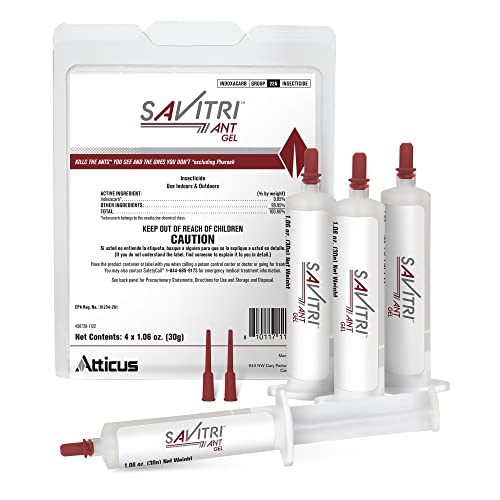
FAST, EFFECTIVE ANT TAKEDOWN: Savitri Ant Gel contains 0.05% of indoxacarb, the same active ingredient trusted by professionals for quick ant kill and colony control.

ANT BAIT NOT INCLUDED – DESIGNED FOR MAXIMUM INFESTATION CONTROL: Use with DEFIANT Liquid Ant Bait (sold separately). These reusable outdoor ant traps effectively deliver ant killer bait, eliminating the queen and the colony. Designed with a sturdy stake, the station will stay-put, even in harsh weather conditions. Place directly into soil, mulch, garden beds, or in potted plants indoors. The triple-entry design allows for maximum ant access for fast ant elimination.
Natural Deterrents
Natural deterrents provide a non-toxic way to manage ant populations. Some effective options include:
- Diatomaceous Earth: Sprinkle food-grade diatomaceous earth around the base of your trees. This natural powder dehydrates ants and disrupts their exoskeletons.
- Vinegar Solution: Mix equal parts vinegar and water in a spray bottle. Apply this solution to ant trails and nests to deter them. The strong scent disrupts their pheromone trails.
- Essential Oils: Use peppermint or tea tree oil mixed with water as a spray. Ants dislike these scents, making them an effective repellent.
- Boric Acid and Sugar Bait: Combine boric acid with sugar water to attract and kill ants. Place this mixture in shallow dishes near their trails.
Chemical Solutions
When natural methods don’t suffice, chemical solutions offer a stronger approach. These should be used carefully to avoid harming beneficial insects. Consider these options:
- Ant Baits: Use commercially available ant baits containing slow-acting poison. Ants carry this bait back to their nests, effectively reducing the population.
- Insecticidal Sprays: Apply targeted insecticidal sprays designed for use on fruit trees. Look for formulations that won’t harm your trees or beneficial insects.
- Granular Insecticides: Scatter granular insecticides around the base of your trees during ant season. Follow the manufacturer’s directions for safe application.
By employing these management strategies, you can effectively control ant populations in your fruit orchards while promoting healthy tree growth.
Conclusion
Managing ants in your fruit trees can be a balancing act. While they can offer some benefits like soil aeration and pest control, their presence often signals other issues that need your attention. Keeping an eye on ant behavior can help you spot potential problems early.
By understanding the role of different ant species and implementing effective management strategies, you can protect your trees while maintaining a healthy garden environment. Remember that a little vigilance goes a long way in ensuring your fruit trees thrive. Happy gardening!
Frequently Asked Questions
1. Why do I see ants on my fruit trees?
Ants are often attracted to fruit trees because they are farming aphids for honeydew, a sugary substance aphids produce. Their presence can indicate underlying pest issues that need attention.
2. Are ants harmful to fruit trees?
Ants can have both positive and negative impacts. While they help with soil aeration and pest control, they may also protect harmful aphids, which can damage trees. Monitoring is essential.
3. What types of ants affect fruit trees?
Various ants can impact fruit trees differently. Carpenter ants signal decay, while honeydew and field ants are associated with harmful aphid populations. Leafcutter ants can disrupt plants as well.
4. How can I manage ants in my orchard?
Utilize natural solutions like diatomaceous earth and vinegar, or essential oils. If necessary, use chemical treatments like ant baits or insecticidal sprays. Always consider the impact on beneficial insects.
5. Do ants benefit my garden?
Yes, ants can promote soil health through aeration, help control some pests, and assist in seed dispersal. However, maintaining a balanced ecosystem is crucial for overall plant health.
6. How do I know if ant populations are too high?
A high ant population often points to pest issues, mainly aphids. If you notice excessive ant activity, inspect your trees for aphid infestations or other signs of pest damage.
