

Have you ever noticed your fruit trees looking a little worse for wear? If you’ve seen bite marks or missing fruit, you might be wondering if squirrels are the culprits. These furry little creatures are known for their love of nuts and seeds, but their appetite can extend to your precious fruit trees.
In this article, you’ll discover the truth about squirrels and their relationship with fruit trees. You’ll learn how to protect your trees and what measures you can take to keep those pesky squirrels at bay. By understanding their habits, you can enjoy a bountiful harvest without the worry of sharing your fruits with these playful thieves.
Key Takeaways
- Squirrels’ Diet: Squirrels are opportunistic foragers with a varied diet that includes nuts, seeds, fruits, and vegetables, which can impact fruit trees significantly.
- Fruit Consumption: Common fruits targeted by squirrels include apples, berries, peaches, and cherries, which they often bite into or take entirely, leading to visible damage.
- Signs of Damage: Look for signs of squirrel activity such as gnaw marks, missing fruits, or scattered remnants like peels and pits around your trees to identify potential damage.
- Short- and Long-Term Effects: Immediate squirrel damage can result in spoiled fruit and weakened bark, while sustained foraging may stunt tree growth and diminish fruit quality over time.
- Preventive Strategies: Implement prevention methods such as tree guards, netting, fencing, and repellents to protect your fruit trees from squirrel damage effectively.
- Proactive Management: Regular monitoring and employing physical barriers and repellents can safeguard your trees, ensuring a healthy and bountiful harvest.
Overview of Squirrels’ Diet
Squirrels adapt their diet based on season and availability. They consume a variety of foods, making them opportunistic foragers. Understanding their eating habits helps in managing any negative impact on your fruit trees.
Common Foods Consumed by Squirrels
Squirrels enjoy a diverse range of foods, including:
- Nuts: Acorns, walnuts, and hazelnuts are favorites. They store nuts for winter, which can lead them to raid your garden.
- Seeds: Sunflower and pumpkin seeds often attract squirrels. If you grow these plants, expect visits.
- Fruits: Apples, berries, and grapes are particularly enticing. Squirrels bite into ripe fruit, causing potential damage.
- Vegetables: Corn, tomatoes, and peppers also make it onto their menu. Any plants you grow can face threats if they attract squirrels.
Nutritional Needs of Squirrels
Squirrels require a balanced diet for energy and growth. Key nutrients include:
- Fats: Essential for energy during colder months. Nuts provide crucial fats for survival.
- Proteins: Necessary for growth and repair. Squirrels consume insects occasionally for protein intake.
- Carbohydrates: Important for quick energy bursts. Fruits and seeds offer carbohydrates that help sustain activity.
- Vitamins and Minerals: Make up the rest of their diet, found in various plants they eat.
By knowing what squirrels eat, you can better protect your fruit trees. Employ fencing or deterrents to minimize their impact.
Do Squirrels Eat Fruit Trees?
Squirrels certainly eat from fruit trees, causing both damage and loss. Understanding their behavior helps protect your trees.
Evidence of Fruit Tree Damage
Squirrels can cause significant damage to fruit trees. You might notice:
- Gnaw Marks: Squirrels often chew on tree bark and branches, creating visible teeth marks.
- Stolen Fruit: Missing or damaged fruit can indicate a squirrel raid.
- Scattered Remnants: Look for discarded fruit peels or pits around the tree base; these are signs of feasting.
Monitoring these signs enables early intervention, protecting your harvest.
Types of Fruits Consumed by Squirrels
Squirrels enjoy a wide variety of fruits. Common fruits they consume include:
- Apples: Squirrels are attracted to ripe apples, often picking them from the tree.
- Berries: Strawberries, blueberries, and blackberries attract squirrels due to their sweetness.
- Peaches: Ripe peaches are irresistible, leading squirrels to nibble or take entire fruits.
- Cherries: Squirrels target cherries, especially when ripe, for their juicy flesh.
Understanding their preferred fruits helps you take preventive measures. Consider netting or other protective strategies to keep your fruit trees safe.
Impact on Fruit Trees
Squirrels significantly affect fruit trees through their eating habits and foraging strategies. Understanding these impacts helps you protect your trees effectively.
Recommended Products
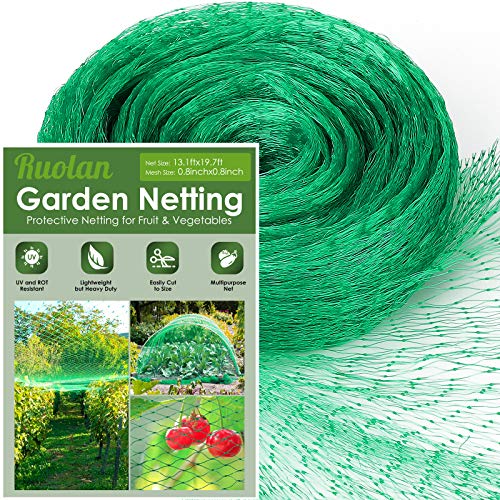
【Perfect size】(Garden Netting size 13ftX20ft, Mesh Size 0.8inchX0.8inch), Protect fruit tree plant blueberry strawberry from animals

✅【Premium Heavy-Duty Material for Long-Lasting Protection】 VITI Fruit Trees Netting Crafted from reinforced polyethylene with UV-resistant coating, this netting is designed to withstand harsh weather conditions, including sun exposure, rain, and wind, without tearing or degrading over time. Unlike flimsy alternatives, its tear-resistant structure ensures multi-season use, saving you replacement costs.
Short-Term Effects
Squirrels damage fruit trees in several immediate ways. They bite into ripe fruit, leaving it susceptible to decay and spoilage. Missing fruit on branches is a clear indicator of squirrel activity. Their gnaw marks on tree bark can create entry points for diseases. If you notice scattered fruit remnants on the ground, that often signals a squirrel feeding frenzy. Preventive measures, like using netting, can shield your fruit from these quick, opportunistic feeders.
Long-Term Consequences
The long-term effects of squirrels on fruit trees can be substantial. Repeated damage to bark may stunt growth and reduce overall tree health. Damaged trees are more vulnerable to pests and diseases, which can lead to further decline. Over time, frequent foraging by squirrels might decrease the quantity and quality of fruit produced. Implementing preventive strategies now can protect your trees, ensuring a bountiful harvest for seasons to come.
Prevention and Management Strategies
Implementing prevention and management strategies helps protect your fruit trees from squirrel damage. By being proactive, you can enjoy your harvest without interference.
Physical Barriers
Use physical barriers to shield your fruit trees from squirrels.
- Tree Guards: Install protective tree guards made from metal or sturdy plastic. Place them around the base of the trunk to prevent squirrels from climbing.
- Netting: Cover your trees with netting to keep squirrels from accessing the fruit. Ensure the netting is securely fastened to prevent any gaps.
- Fencing: Build a fence around your garden if squirrels are a persistent problem. Use wire mesh with a height of at least 4 feet to deter them from jumping over.
Repellents and Deterrents
Consider using repellents and deterrents to make your garden less appealing to squirrels.
- Commercial Repellents: Apply commercial squirrel repellents containing hot pepper or other unpleasant scents that deter squirrels from approaching.
- Homemade Solutions: Create a homemade repellent by mixing water with garlic, cayenne pepper, or vinegar. Spray this mixture on your trees and surrounding areas regularly.
- Noise Makers: Set up noise-making devices, such as wind chimes or ultrasonic deterrents. These can create an uncomfortable environment for squirrels, discouraging them from visiting.
Implementing these strategies can effectively minimize squirrel interference with your fruit trees and preserve your harvest.
Conclusion
Protecting your fruit trees from squirrels is all about understanding their habits and preferences. By recognizing the signs of squirrel activity and taking proactive measures, you can enjoy the fruits of your labor without unwanted visitors.
Using barriers like netting and tree guards can make a big difference in keeping squirrels at bay. Don’t forget to explore repellents and other deterrents that can help create an unwelcoming environment for these furry foragers.
With a little effort and the right strategies, you can safeguard your trees and ensure a healthy harvest for years to come. Happy gardening!
Frequently Asked Questions
How do squirrels damage fruit trees?
Squirrels damage fruit trees by gnawing on bark and branches, stealing or consuming fruit, and leaving behind remnants like peels or pits. Their foraging habits can lead to decay in ripe fruit and create entry points for pests and diseases.
What fruits do squirrels commonly eat?
Squirrels are attracted to a variety of fruits, including apples, berries, peaches, and cherries. Understanding their preferences can help you choose effective preventive measures.
How can I protect my fruit trees from squirrels?
You can protect your fruit trees by using physical barriers like tree guards and netting, implementing noise-making devices, and applying repellents or homemade solutions to deter squirrels from your garden.
What are the short-term effects of squirrels on fruit trees?
In the short term, squirrels can damage ripe fruit, leading to decay, and create wounds on tree bark that can expose the tree to diseases. This immediate damage can reduce your harvest.
What are the long-term consequences of squirrel damage?
Long-term effects include stunted tree growth and overall reduced health, making trees more susceptible to pests and diseases due to repeated damage. Early intervention is key to preventing these issues.
What preventive strategies can I use against squirrels?
Effective preventive strategies include installing tree guards and netting, using repellents, planting squirrel-resistant plants, and employing noise-making devices to make the area less appealing to squirrels. Regularly monitoring your trees also helps.
