

Ever wondered why your lime tree isn’t producing fruit? You’re not alone. Many gardeners face the same frustration when their beloved trees seem to thrive yet fail to bear those juicy limes.
Key Takeaways
- Understand Lime Tree Varieties: Familiarize yourself with different types of lime trees such as Persian, Key, Kaffir, and Finger limes to choose the right one for your garden.
- Optimal Growing Conditions: Lime trees thrive in full sun, well-draining slightly acidic soil, temperatures between 70°F and 85°F, and consistent but not excessive watering.
- Essential Soil and Watering Needs: Maintain a slightly acidic pH in the soil (5.5 to 7.0), ensure deep watering, and amend soil with organic materials to enhance growth.
- Fertilization: Apply a balanced fertilizer every 6-8 weeks during the growing season to boost health and fruit production, focusing on the right N-P-K ratio.
- Promote Pollination: Enhance fruit development by using companion flowers, manual pollination techniques, and creating a pollinator-friendly environment while limiting pesticide use.
- Address Common Problems: Recognize and manage pests and diseases effectively, such as aphids and root rot, to maintain the health of your lime tree and ensure fruitful harvests.
Understanding Lime Trees
Lime trees, known for their vibrant fruit and fragrant foliage, thrive under specific conditions. Understanding their types and ideal growing conditions is essential for encouraging fruit production.
Types of Lime Trees
- Persian Lime (Citrus latifolia): This common variety is seedless and typically larger than other limes. It’s known for its juicy flavor and high yield.
- Key Lime (Citrus aurantiifolia): Smaller and more aromatic, Key limes are known for their tartness, making them popular in desserts like Key lime pie.
- Kaffir Lime (Citrus hystrix): Recognizable by its bumpy skin, the leaves are often used in cooking for their distinct flavor. The fruit is less commonly used for juice.
- Finger Lime (Citrus australasica): This unique variety resembles a cucumber and has caviar-like pulp. It’s increasingly popular in gourmet dishes.
- Sunlight: Lime trees thrive in full sun. Aim for 8 to 12 hours of direct sunlight each day.
- Soil: Well-draining soil is crucial. A slightly acidic pH between 6.0 and 7.0 works best.
- Temperature: These trees prefer temperatures between 70°F and 85°F. Protect them from frost, as cold can hinder fruit development.
- Watering: Consistent moisture is key. Water deeply when the top inch of soil feels dry but avoid waterlogging the roots.
- Fertilization: Use a balanced fertilizer every 6 to 8 weeks during the growing season to promote healthy growth and fruit set.
By selecting the right type of lime tree and providing optimal growing conditions, you set the stage for a bountiful harvest.
Essential Care for Lime Trees
Proper care ensures your lime tree thrives and bears fruit. This section provides essential guidance on soil, watering, and fertilization to maximize fruit production.
Soil Requirements
Lime trees prefer well-draining soil with a slightly acidic to neutral pH of 5.5 to 7.0. Amend your soil with organic matter, like compost, to improve moisture retention and nutrient content. Aim for a soil mix that includes:
- Peat Moss: Enhances soil structure and moisture retention.
- Perlite or Sand: Improves drainage, preventing root rot.
- Lime: Adjust pH levels as necessary for optimal growth.
Test the soil annually to maintain the right pH, ensuring your lime tree gets the best conditions for fruiting.
Watering Techniques
Consistent watering is crucial for healthy lime trees. These trees thrive in moist but not soggy soil. Follow these watering tips:
- Check Moisture: Insert your finger about an inch into the soil. If it’s dry, it’s time to water.
- Water Deeply: Ensure your tree receives enough water by soaking the soil at least 12 inches deep.
- Adjust for Seasons: Water more in summer and less in winter. During droughts, supplement with additional watering.
Grow your tree based on its needs, keeping roots hydrated but never waterlogged.
Fertilization Tips
Fertilization supports the growth of healthy foliage and fruit production. Use a balanced, slow-release fertilizer every 6-8 weeks during the growing season. Here are some key points:
- N-P-K Ratio: Look for a fertilizer with an N-P-K ratio of 2-1-1, which provides the right mix of nitrogen, phosphorus, and potassium.
- Organic Options: Consider compost or well-rotted manure for natural nutrients.
- Timing: Fertilize in early spring as new growth appears and again in late summer.
Monitor your tree for signs of nutrient deficiency, such as yellowing leaves, which often indicates a need for additional nutrients.
Pollination and Fruit Development
Pollination plays a crucial role in the fruit development of lime trees. Without pollination, your tree won’t be able to produce limes, even if it looks healthy and thrives in optimal conditions.
Recommended Products

Precise Manual Pollination: This vegetable pollinator tool provides controlled hand pollination that enhances fruit and vegetable pollination efficiency, helping to increase crop yields by reliance on unpredictable natural pollinators
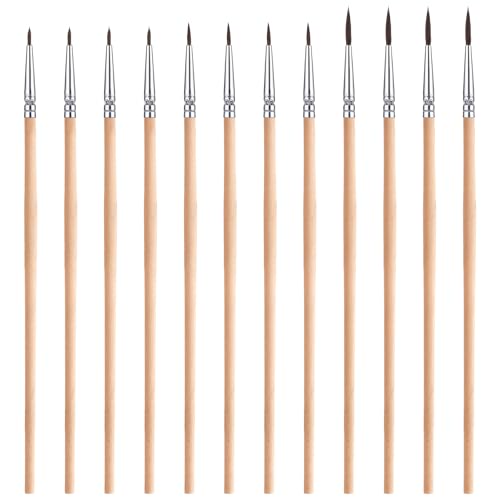
Efficient Pollination: You will receive 12pcs pollination brushes in three different sizes, designed to improve the pollination efficiency of indoor hydroponic plants and greenhouse gardens, and you can choose the right brush to solve the problem of low fruit

8 Sizes Set for Varied Plants: this pollinator tool set includes 8 different tip sizes to meet your specific garden needs, allowing you to easily match the brush head to tiny succulent blossoms or large flowers without causing damage
Role of Pollinators
Pollinators, such as bees and butterflies, help transfer pollen from the male to the female flowers of your lime tree. Lime trees can be self-pollinating, meaning they can produce fruit without another tree nearby. However, having pollinators around increases the chances of successful fruit set. You’ll notice that flowers attract more pollinators when they bloom in early spring or late summer.
Techniques to Encourage Pollination
To enhance pollination, try these techniques:
- Plant Companion Flowers: Include flowering plants nearby, such as marigolds or borage. These plants attract pollinators and create a friendly environment for them.
- Use a Soft Brush: Gently brush the inside of the lime tree flowers with a soft brush. This manual pollination technique mimics what bees do and helps distribute pollen effectively.
- Provide Habitat: Create a pollinator-friendly garden. Include native plants and a water source. This will encourage more pollinator activity in your area.
- Limit Pesticide Use: Avoid using pesticides during blooming seasons. Chemicals can harm pollinators, reducing their population and effectiveness. Use organic methods to manage pests instead.
- Encourage Wind Currents: If your lime tree is in the ground, ensure it’s in an open area. Natural wind can aid in the dispersal of pollen among flowers.
Implementing these techniques will not only boost pollination but also enhance your chances of a fruitful harvest from your lime tree.
Common Problems and Solutions
Understanding the common problems that hinder lime trees from bearing fruit helps you take action to promote successful harvests. Below are specific issues, along with effective solutions.
Recommended Products

PEST DEFENSE - Insecticidal Super Soap controls species of adelgid, ant, aphid, borer, caterpillar, spider mite, cricket, chinch bug, weevil, fly, thrip, & more.
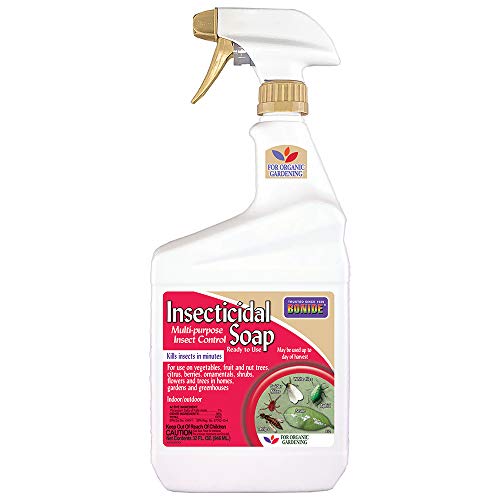
Captain Jack's Insecticidal Super Soap controls species of adelgid, ant, aphid, borer, caterpillar, spider mite, cricket, chinch bug, weevil, fly, thrip, and more

READY-TO-USE CONTACT SPRAY: No mixing required. Thoroughly spray insecticide on all plant parts, including the underside of leaves. Pests must be sprayed directly to achieve control
Pests That Affect Lime Trees
- Aphids
Aphids suck sap from leaves, leading to yellowing and curling. Control them by introducing natural predators like ladybugs or using insecticidal soap. - Spider Mites
These tiny pests create webs and cause leaf discoloration. Increase humidity around the tree and spray with neem oil to eliminate them. - Citrus Leaf Miner
This pest tunnels through leaves, affecting growth. Use aluminum foil around the tree’s base to deter them and regularly inspect for larvae. - Whiteflies
Whiteflies weaken the tree by feeding on sap. Apply sticky traps or insecticidal soap to manage their population.
- Citrus Canker
This bacterial infection leads to lesions on leaves and stems, eventually weakening the tree. Remove and destroy infected parts to prevent spreading. - Root Rot
Overwatering or poor drainage causes root rot, leading to wilting and eventual tree collapse. Ensure well-draining soil and adjust watering as necessary. - Powdery Mildew
This fungal disease appears as white powder on leaves. Improve air circulation and apply fungicides to fight the infection. - Greening Disease (HLB)
A serious disease affecting citrus trees, causing yellowing and bitter fruit. Inspect your tree regularly and remove infected limbs to prevent further damage.
By addressing these pests and diseases, you can enhance the health of your lime tree and encourage fruitful growth.
Conclusion
With a bit of patience and the right care your lime tree can reward you with a bountiful harvest. By understanding its needs and addressing any challenges you may encounter you’ll be well on your way to enjoying fresh limes right from your garden.
Remember to provide optimal growing conditions keep an eye on pollinators and stay vigilant against pests and diseases. Each step you take brings you closer to that delicious fruit you’re eager to enjoy. Happy gardening and may your lime tree thrive!
Frequently Asked Questions
What types of lime trees are there?
Lime trees come in several varieties, including Persian, Key, Kaffir, and Finger limes. Each type has unique traits, such as flavor profiles and growth habits, making them suitable for different gardening preferences and climates.
What are the ideal growing conditions for lime trees?
Lime trees thrive in full sunlight, well-draining soil, and require temperatures between 70°F and 100°F. Consistent watering and regular fertilization are also crucial for optimal growth and fruit production.
How do I care for my lime tree’s soil?
Use well-draining soil with a slightly acidic to neutral pH (5.5 to 7.0). Amending soil with organic matter, like compost, can improve nutrients and drainage, promoting healthier tree growth.
How often should I water my lime tree?
Water your lime tree consistently, checking soil moisture regularly. Adjust watering based on seasonal needs; during hot, dry spells, trees may need more frequent watering to maintain healthy soil moisture.
What type of fertilizer should I use for lime trees?
Use a balanced, slow-release fertilizer with an N-P-K ratio of 2-1-1. This formulation provides essential nutrients while preventing over-fertilization, which can harm the tree.
Why isn’t my lime tree producing fruit?
Even healthy lime trees need proper pollination to bear fruit. Factors such as lack of pollinators, nutrient deficiencies, and stress from pests or diseases can all hinder fruit production.
How can I enhance pollination for my lime trees?
To improve pollination, plant companion flowers that attract pollinators, use a soft brush for manual pollination, and create habitats for pollinators. Avoid pesticides and ensure the trees are in open areas to encourage natural pollination.
What pests should I watch for on lime trees?
Common pests include aphids, spider mites, citrus leaf miners, and whiteflies. Monitor your trees regularly and consider natural control methods like introducing beneficial insects or using insecticidal soap.
How can I prevent diseases in lime trees?
To prevent diseases like citrus canker and root rot, maintain good airflow around the tree, practice crop rotation, and manage watering to avoid excess moisture. Regularly check for signs of disease and act quickly if detected.
