

Have you ever planted a pear tree, only to watch it grow leaves but no fruit? You’re not alone. Many gardeners face this frustrating issue, wondering why their trees aren’t producing the delicious pears they hoped for.
Understanding the reasons behind a pear tree’s lack of fruit can save you time and effort. Whether it’s improper care, environmental factors, or tree age, this article will help you pinpoint the problem. By the end, you’ll have practical tips to encourage your pear tree to bear fruit, turning your gardening dreams into reality.
Key Takeaways
- Pollination Needs: Most pear trees require cross-pollination with another compatible variety to produce fruit; planting a second tree nearby can enhance fruit set.
- Environmental Considerations: Ensure your pear tree receives at least six hours of direct sunlight, thrives in well-drained soil, and is protected from late spring frosts for optimal fruiting conditions.
- Nutrient Management: Regularly apply balanced fertilizers and monitor for nutrient deficiencies—yellowing leaves may indicate nitrogen deficiency, while dark green leaves with a purplish tint suggest phosphorus issues.
- Pest and Disease Control: Keep an eye out for pests such as pear psylla and codling moth, and manage diseases like fire blight and powdery mildew to maintain tree health and fruit production.
- Soil Quality and Drainage: Test soil pH and nutrient levels, and improve drainage with organic matter to support healthy root development in your pear tree.
- Regular Maintenance: Prune overcrowded branches for better light exposure, and mulch around the tree to conserve moisture, regulate temperature, and discourage weeds.
Common Reasons for Pear Tree Not Fruiting
Understanding the reasons your pear tree isn’t bearing fruit can help you make necessary adjustments for future harvests. Here are some common issues.
Lack of Pollination
Lack of pollination plays a significant role in fruit production. Most pear trees aren’t self-pollinating and require pollen from a compatible tree. You need at least two different varieties blooming simultaneously for effective pollination. Consider planting a second tree close by or hand-pollinating with a soft brush if you spot low bee activity.
Environmental Factors
Environmental factors can disrupt the fruiting process. Pear trees thrive in well-drained soil with plenty of sunlight. Ensure your tree receives at least six hours of direct sunlight daily. Check for extreme weather conditions, like late spring frosts, which can damage blossoms. Water stress can also hinder fruit set, so keep the soil consistently moist but not soggy.
| Environmental Factors | Recommendations |
|---|---|
| Poor sunlight | Ensure 6+ hours of direct sunlight |
| Soil drainage | Use well-drained soil |
| Late frost risk | Cover blossoms during unexpected frosts |
| Water stress (too dry or too wet) | Maintain even moisture in the soil |
Nutrient Deficiencies
Nutrient deficiencies can significantly impact your pear tree’s ability to produce fruit. Understanding these deficiencies can help you take corrective actions to enhance fruiting.
Recommended Products
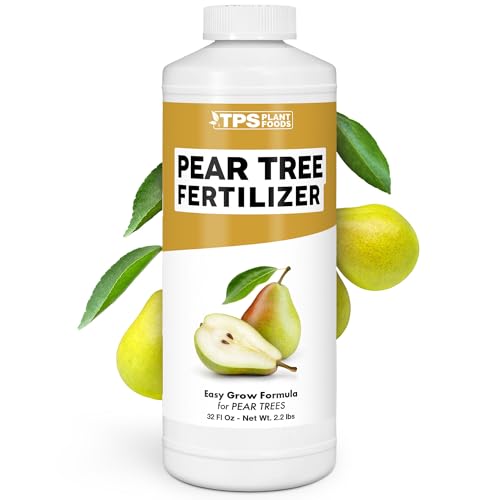
Supports Fruit Production & Growth – Helps promote consistent fruit development, healthy foliage, and overall tree performance.

Down to Earth Fruit Tree is a five pound box of all natural fertilizer with 6-2-4 formula and is listed by the Organic Materials Review Institute (OMRI) for use in organic production
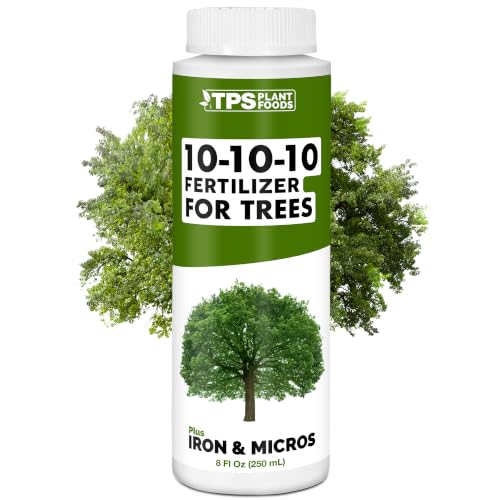
Supports Roots, Foliage & Structure – Helps encourage strong roots and steady plant development.
Importance of Fertilization
Fertilization plays a vital role in ensuring your pear tree receives essential nutrients. Regularly applying a balanced fertilizer formulated for fruit trees boosts growth and fruit development. Aim for fertilizers containing nitrogen, phosphorus, and potassium, often indicated as N-P-K ratios. For example, a 10-10-10 fertilizer provides equal parts of these nutrients. Proper fertilization also facilitates healthy root development, which supports overall tree vigor.
Identifying Nutrient Deficiencies
Identifying specific nutrient deficiencies requires keen observation of your tree. Here are some common signs:
- Nitrogen Deficiency: Yellowing leaves, especially the older ones, usually signals insufficient nitrogen levels. If leaf veins remain dark green while the surrounding tissue turns yellow, nitrogen is likely lacking.
- Phosphorus Deficiency: Stunted growth or dark green leaves with a purplish tint can indicate phosphorus deficiency. Inadequate phosphorus can slow fruit development and flowering.
- Potassium Deficiency: Brown leaf edges and overall weak growth often signify potassium deficiency. You may notice poor fruit size and quality if potassium levels are low.
To address these deficiencies, test your soil regularly to determine nutrient levels. Based on the results, select appropriate fertilizers. Applying organic amendments, such as compost or well-rotted manure, can also improve soil health and nutrient availability.
Pest and Disease Issues
Pest and disease issues can significantly affect your pear tree’s ability to produce fruit. Identifying and addressing these problems promptly ensures your tree stays healthy and fruitful.
Recommended Products

PLANT DISEASE CONTROL: Natria Neem Oil acts as an insecticide and fungicide in one convenient spray; Ready-to-use trigger sprayer requires no mixing


Common Pests Affecting Pear Trees
Pests often hinder pear tree fruiting. Here are several common pests to look for:
- Pear Psylla: This tiny insect feeds on tree sap and can cause yellowing leaves and reduced fruit production. Look for sticky residue or dark spots on leaves as indicators.
- Codling Moth: This caterpillar burrows into fruit, making it develop soft spots or drop prematurely. Inspect fruits for small entry holes.
- Aphids: These small, green insects suck sap and produce a sticky honeydew that attracts ants. Check for clusters on new growth or leaf undersides.
- Scale Insects: These pests attach themselves to branches, weakening the tree. Look for small, hard lumps on twigs and branches.
To manage these pests, you can apply insecticidal soap, neem oil, or introduce natural predators like ladybugs.
Identifying and Treating Diseases
Diseases can inhibit fruit production as well. Here are key diseases to monitor:
- Fire Blight: This bacterial disease causes blossoms and shoots to wilt and turn black. Prune affected areas immediately and sterilize your tools to prevent spreading.
- Powdery Mildew: This fungal disease appears as a white powdery coating on leaves. Improve air circulation around the tree and apply a sulfur-based fungicide for treatment.
- Leaf Spot: Dark spots on leaves indicate this fungal issue. Remove affected leaves and avoid overhead watering, as moisture promotes disease spread.
Ensuring your pear tree gets proper care, including adequate water and nutrition, strengthens its defenses against pests and diseases. Regular inspections help catch these problems early, setting your tree on the path to fruit production.
Growth Conditions
Understanding growth conditions is crucial for encouraging fruit production in pear trees. Several factors play a significant role in a tree’s ability to bear fruit.
Recommended Products

Kindly NOTE: This soil tester can not be applied to test pH value of any other liquid. If the soil is too dry the indicator will not move, and water it before testing.

KNOW BEFORE YOU GROW | Grow the healthiest, sustainable lawn and garden with the most accurate and easy to use professional soil test kit on the market

Accurate Soil pH Testing: Dewildetradingco Soil pH Test Strips offer measurements of soil pH levels (pH 3.5-9). As an essential tool for every gardener and grower, these test strips help determine the optimal pH for various plants, such as outdoor plants, indoor plants, gardens, grass lawns, fruit trees, flowers, vegetables, and forest shrubs.
Soil Quality and Drainage
Soil quality affects nutrient availability and root health. Pear trees thrive in fertile, well-drained soil with a pH between 6.0 and 7.0. Poor drainage can lead to root rot, preventing the tree from receiving adequate water and nutrients.
- Test the Soil: Use a soil test kit to determine pH and nutrient levels. Adjust accordingly with lime for acidity or sulfur for alkalinity.
- Improve Drainage: If soil is heavy clay, consider amending it with organic matter like compost. Raised beds can also enhance drainage.
- Regular Maintenance: Mulch around the base to retain moisture and regulate temperature while discouraging weeds.
Sunlight Requirements
Sunlight is essential for healthy growth and fruit development. Pear trees require at least six hours of direct sunlight each day. Insufficient sunlight can hinder blooming and fruit set.
- Choose the Right Location: Plant your pear tree in a spot that receives full sun, away from tall structures or other trees that may cast shade.
- Monitor Growth: If tree branches stretch toward the sun, it may signal a lack of adequate light.
- Prune for Light Exposure: Regularly prune to remove overcrowded branches, which allows better light penetration and airflow, promoting healthier growth.
By addressing soil quality and sunlight exposure, you enhance your pear tree’s growth conditions and improve its chances of fruiting successfully.
Conclusion
Getting your pear tree to produce fruit can be a bit of a puzzle. By understanding the key factors like pollination, soil quality, and nutrient needs you can take steps to encourage fruiting. Remember to check for pests and diseases too since they can hinder your tree’s performance.
With a little patience and care you can create the perfect environment for your pear tree to thrive. Keep an eye on its growth and make adjustments as needed. Soon enough you might just find yourself enjoying a bountiful harvest of delicious pears. Happy gardening!
Frequently Asked Questions
Why is my pear tree growing leaves but not producing fruit?
Pear trees may grow leaves without fruit due to several factors, including lack of proper care, insufficient pollination, nutrient deficiencies, or adverse environmental conditions. It’s important to assess each factor to identify the cause.
Do pear trees need a second tree for pollination?
Yes, most pear trees require pollen from a compatible tree for successful fruit production. Planting a second pear tree nearby can greatly enhance pollination and fruiting.
How can I improve soil quality for my pear tree?
To improve soil quality, ensure it is well-drained, fertile, and has a pH between 6.0 and 7.0. Use soil test kits to assess nutrient levels and consider adding organic amendments like compost.
What nutrients do pear trees need for fruit production?
Pear trees benefit from balanced fertilizers that provide nitrogen, phosphorus, and potassium (N-P-K). Regular soil testing can help identify nutrient deficiencies and guide appropriate fertilization.
How can I manage pests that affect my pear tree?
Common pests include pear psylla, aphids, and codling moths. Management strategies like using insecticidal soap or introducing natural predators can help protect your tree from these pests.
What diseases should I watch for in pear trees?
Key diseases include fire blight, powdery mildew, and leaf spot. Maintaining proper care, including good watering and nutrition, can strengthen the tree’s defenses against these diseases.
How much sunlight do pear trees require?
Pear trees need at least six hours of direct sunlight daily to thrive and produce fruit. Ensure they are planted in a location that receives adequate sunlight throughout the day.
How often should I water my pear tree?
Maintaining consistent soil moisture is essential for pear trees. Water them regularly, especially during dry periods, to avoid water stress that can hinder fruit production.
