

Ever wondered if that avocado tree you’ve nurtured from a tiny seed will actually bear fruit? You’re not alone. Many home gardeners dream of plucking fresh avocados straight from their own backyard but face uncertainty about whether their efforts will pay off.
Key Takeaways
- Variety Matters: Different avocado tree varieties, such as Hass, Fuerte, and Bacon, have distinct growth and fruit-bearing characteristics that can influence your gardening choices.
- Seed vs. Grafting: Grafted avocado trees generally produce fruit more quickly (3-4 years) than seed-grown trees (5-13 years), making grafted options ideal for faster results.
- Pollination is Key: Planting both Type A and Type B avocado trees enhances cross-pollination and is essential for maximizing fruit production.
- Optimal Conditions Required: Avocado trees thrive with at least 6 hours of direct sunlight, well-draining slightly acidic soil, and regular watering, all vital for healthy growth and fruiting.
- Routine Care Matters: Annual pruning, balanced fertilization, and vigilant pest management are critical tasks to foster a fruitful avocado tree in your garden.
- Monitor Environmental Factors: Keep an eye on temperature extremes, watering habits, and nutrient levels to prevent stress and diseases that could affect fruit production.
Understanding Avocado Trees
Avocado trees (Persea americana) are popular among home gardeners due to their delicious fruit and attractive foliage. You might wonder about the chances of your homegrown avocado tree bearing fruit, especially if it’s grown from a seed. Here’s what to know.
Types of Avocado Trees
Avocado trees fall into different categories based on the variety:
- Hass: This variety has dark, bumpy skin when ripe. It offers a creamy texture and rich flavor. Most commercial avocados are Hass.
- Fuerte: Known for its smooth, green skin. It combines the traits of a tropical and a Mediterranean climate, thriving in both.
- Bacon: This variety produces smooth-skinned avocados with a milder taste. It’s more tolerant of colder temperatures.
Growing from Seed vs. Grafting
You might question whether your seed-grown tree will bear fruit. Seed-grown trees often take longer to produce fruit compared to grafted plants. Grafted trees, which come from a donor plant, typically yield fruit within 3 to 4 years, while seed-grown trees may take 5 to 13 years or even longer.
Pollination and Fruit Production
Avocado trees have unique flowering behavior. They can be either Type A or Type B, each with a different blooming schedule. Type A blooms in the morning and Type B in the afternoon. You may need to plant both types to ensure proper pollination for optimal fruit set. For instance, if you plant both types, you increase the likelihood of cross-pollination, enhancing fruit production.
Ideal Growing Conditions
Your avocado tree needs specific conditions for successful fruiting. These include:
- Sunlight: At least 6 hours of direct sunlight daily ensures healthy growth.
- Soil: Well-draining, slightly acidic soil provides the best environment. Amend heavy soil to improve drainage.
- Water: Regular watering, particularly during dry spells, keeps your tree healthy. Monitor soil moisture, but avoid waterlogging.
Care and Maintenance
Regular maintenance is vital for fruit production. Here are key aspects to consider:
- Pruning: Prune your tree annually to encourage better airflow and sunlight penetration.
- Fertilizing: Use a balanced fertilizer two to three times during the growing season to provide necessary nutrients.
- Pest Management: Keep an eye out for pests like avocado thrips and aphids. Apply organic pest control methods if needed.
By following these guidelines, you increase your chances of nurturing a fruitful avocado tree in your yard. Proper care and the right conditions foster healthy growth and, eventually, the delicious avocados you seek.
Growing Conditions for Avocado Trees
Providing the right growing conditions is crucial for your avocado tree to thrive and potentially bear fruit. Focus on sunlight, soil, and drainage to create an optimal environment for growth.
Recommended Products
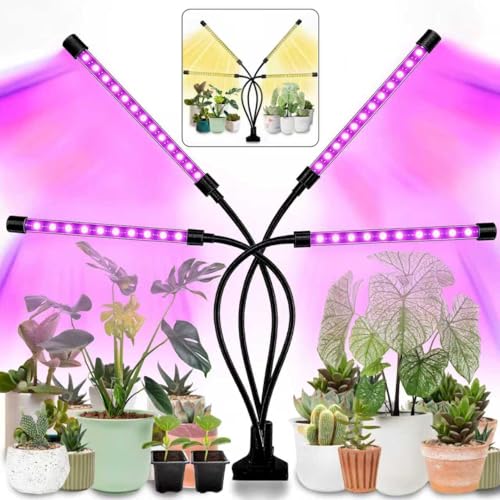
🌻Efficient LED Combination: This LED lamp has grow lights made up of 80 efficient growing LEDs ( 32 red lights, 12 blue lights,20 yellow lights and 16 white lights). It meets the conditions of plant growth without sunlight. 1--Full Spectrum(380nm-800nm): Suitable for all plants to root and sprout. 2--Red(660nm)+BLUE(460nm) Spectrum: for blooming and fruits. 3--Red+Blue+Full Spectrum: A mix of Red+Blue+Warm White is best to fuel the growth of your plants.

6000K White Light - equipped with 10 Red + 74 White LEDs, this growing Lamp is similar to the full-spectrum sunlight at noon,that is professionally designed for indoor garden plants.Moreover, its color rendering index is as high as 95, the light is soft and flicker-free, which is very suitable for reading lamp

FULL SPECTRUM & NATURAL LIGHT: A19 full spectrum grow light appears 4000K white to eyes but has a red/blue light spectrum. Same as natural sun shine, perfect for tomatoes, cucumbers, peppers, leafy greens and herbs at all growth stages.
Sunlight Requirements
Avocado trees thrive in bright sunlight. Aim for at least 6 to 8 hours of direct sunlight daily. A south-facing location often works best. If your tree doesn’t get enough light, it may grow weak or fail to produce fruit. For indoor growing, consider using a grow light for additional support.
Soil Type and Drainage
Avocado trees prefer well-draining soil, ideally with a pH level between 6 and 7. A mixture of loamy soil, sand, and organic matter provides the right balance. Good drainage prevents root rot, which can be detrimental to your tree’s health. If your soil retains too much moisture, consider raising your planting bed or using pots with drainage holes to ensure proper water flow.
By meeting these basic requirements, you increase the chances of your avocado tree flourishing and producing fruit in your garden.
Factors Affecting Fruit Bearing
Several key factors influence whether your homegrown avocado tree will produce fruit. Understanding these can help you create the best environment for your tree.
Recommended Products

Tree Age and Maturity
Avocado trees typically need 3 to 5 years to bear fruit when grown from seeds, while grafted varieties may yield fruit within 1 to 3 years. Younger trees often lack the strength to produce flowers and fruits. You’ll notice increased fruiting as the tree matures and reaches a height of 5 to 10 feet.
Pollination Needs
Avocado trees rely on pollination for fruit production. They possess unique flowering types: Type A and Type B. Type A flowers open in the morning and close at night, while Type B flowers do the opposite. Planting both types increases the likelihood of cross-pollination, enhancing fruit set. Consider planting a second avocado tree nearby to improve your chances of a fruitful harvest.
Common Challenges in Growing Avocado Trees
Growing avocado trees can present challenges that affect their ability to bear fruit. Addressing these issues helps ensure healthy trees and a successful harvest.
Recommended Products

KILLS LISTED FRUIT & CITRUS TREE INSECTS: Controls Asian Citrus Psyllid, Whiteflies, Aphids Thrips, Citrus Leafminers, Leafhoppers, Blackfly, Mealybugs, Scales, Avocado Lacebugs, Oriental Beetles, Flea Beetles, Sharpshooters, and Spittlebugs

HEALTHY AVOCADO PLANTS: Our Avocado Fruit Fertilizer is formulated to nourish your avocado plants with micronutrients for lush growth and vibrant leaves while preventing yellowing and stunted growth.

INSECT KILLER: Fast-acting formula kills listed insects including aphids, Japanese beetles, caterpillars, whiteflies, and other listed pests on contact
Pests and Diseases
Pests and diseases can hinder the growth of your avocado tree. Common pests include:
- Avocado Lace Bug: This insect causes leaf discoloration and makes the leaves appear speckled. Applying insecticidal soap can help control these pests.
- Root Rot: Caused by overwatering or poorly draining soil, root rot leads to tree decline. Ensure soil drains well to prevent this issue.
- Phytophthora: This fungus affects roots and stems, leading to wilting and leaf drop. Using resistant rootstock and maintaining good drainage minimizes the risk.
Regular monitoring is essential. Inspect your tree’s leaves and soil regularly for signs of pests or diseases. Early detection allows for timely intervention.
Environmental Stress
Environmental factors significantly impact the growth of avocado trees. Common sources of stress include:
- Temperature Extremes: Avocado trees thrive in temperatures between 60°F and 85°F. Protect your tree from frost or excessive heat by providing shade and covering it during cold weather.
- Water Stress: Both under and overwatering can stress your tree. Provide deep, infrequent watering to encourage robust root systems. Allow the top inch of soil to dry before watering again.
- Nutrient Deficiency: Lack of essential nutrients can result in poor growth. Use a balanced fertilizer, following package directions to nourish your tree.
Maintaining optimal environmental conditions supports healthy avocado trees. By addressing pests, diseases, and environmental stress, you promote the likelihood that your homegrown avocado tree bears fruit.
Conclusion
Growing your own avocado tree can be a rewarding journey filled with anticipation. While the path to fruit-bearing may have its challenges it’s important to stay patient and attentive. By providing the right conditions and care you can significantly boost your tree’s chances of producing delicious avocados.
Remember that maturity plays a key role so don’t be discouraged if it takes a few years to see the fruits of your labor. With the right approach and a little love your homegrown avocado tree can become a fruitful addition to your garden. Enjoy the process and look forward to the day you can savor your very own avocados.
Frequently Asked Questions
Will my avocado tree grown from a seed produce fruit?
Avocado trees grown from seeds can produce fruit, but the process takes time. Typically, it may take 3 to 5 years for seed-grown trees to bear fruit, depending on the variety and growing conditions. However, not all seed-grown trees will yield fruit.
What are the main types of avocado trees?
The most common types of avocado trees are Hass, Fuerte, and Bacon. Each type has unique characteristics such as fruit flavor, size, and texture. Hass avocados are known for their creamy texture and are the most popular variety.
What is the difference between growing avocado trees from seeds versus grafting?
Grafted avocado trees generally produce fruit faster than those grown from seeds. While seed-grown trees might take 3 to 5 years to fruit, grafted varieties can yield fruit in just 1 to 3 years, making grafting a more reliable option for quicker harvests.
Do avocado trees need cross-pollination to bear fruit?
Yes, avocado trees benefit from cross-pollination for optimal fruit production. Planting both Type A and Type B avocado trees enhances pollination, leading to better fruit set. This unique flowering behavior helps increase the chances of a successful harvest.
What are the ideal growing conditions for avocado trees?
Avocado trees thrive in direct sunlight for at least 6 to 8 hours daily, preferably in a south-facing spot. They require well-draining soil with a pH level of 6 to 7. Proper conditions enhance growth and fruit production significantly.
How can I care for my avocado tree?
To care for your avocado tree, ensure it receives adequate sunlight, water, and nutrients. Regularly fertilize, prune as necessary, and monitor for pests like the avocado lace bug. Healthy practices contribute to a thriving tree and increase fruit yields.
What common challenges affect avocado tree fruit production?
Challenges include pests, diseases, environmental stressors, and nutrient deficiencies. Issues like root rot and avocado lace bugs can hinder growth. Regular monitoring and addressing these challenges are essential for maintaining a healthy avocado tree and promoting fruit production.
How long does it take for avocado trees to mature?
Avocado trees generally take about 3 to 5 years to mature enough to produce fruit when grown from seeds. Grafted trees may mature sooner, typically within 1 to 3 years. Age and health significantly influence the tree’s ability to bear fruit.
