

Have you ever wondered how long it takes for a fig tree to start producing those delicious fruits? If you’re thinking about planting one, you’re not alone. Many gardening enthusiasts dream of enjoying fresh figs straight from their backyard, but the wait can feel daunting.
Fig trees are a rewarding addition to any garden, but patience is key. This article will guide you through the timeline of fig tree growth and fruit-bearing. You’ll learn what factors influence fruit production and how to care for your tree during its early years. By the end, you’ll have a clearer picture of what to expect and how to make the most of your fig-growing journey.
Key Takeaways
- Fig trees typically take 3 to 5 years to bear fruit after planting, with the timeline influenced by variety and growing conditions.
- Tree variety plays a significant role in fruit production; for example, Kadota trees may produce fruit in about 3 years, while Black Mission and Brown Turkey varieties usually require 4 to 5 years.
- Optimal growing conditions include full sunlight, well-drained soil, and consistent moisture; aim for 6 to 8 hours of sunlight daily.
- Proper care, including regular watering, balanced fertilization, and pruning, is essential to enhance growth and encourage earlier fruit production.
- Signs that your fig tree is ready to bear fruit include healthy leaves, mature branches, visible flower buds, and overall vigorous health.
- Patience is crucial in the fig-growing journey; understanding the growth process will help you enjoy abundant figs year after year.
Understanding Fig Trees
Fig trees (Ficus carica) are unique fruit-bearing plants, known for their sweet, delicious figs. Growing these trees requires understanding their growth patterns, care needs, and the timeline for fruit production.
Growth Timeline
Fig trees take about three to five years to bear fruit after planting. This timeframe can vary, depending on factors such as tree variety, climate, and care. Some varieties, like the Kadota, may produce fruit sooner than others.
Factors Influencing Fruit Production
Several factors impact when a fig tree begins to produce fruit:
- Tree Variety: Different fig tree types mature at different rates. Some are faster than others.
- Climate Conditions: Figs thrive in warm, temperate climates. They need full sun and well-drained soil to flourish.
- Care and Maintenance: Regular pruning, watering, and fertilization help encourage healthy growth and speed up fruiting.
Care Tips for Young Fig Trees
Proper care enhances your fig tree’s growth potential. Consider these tips:
- Location: Plant your fig tree in a sunny spot with ample space for growth.
- Watering: Keep the soil consistently moist, but avoid overwatering. Aim for a deep watering once a week during dry spells.
- Fertilizing: Use a balanced fertilizer during the growing season to ensure the tree receives essential nutrients.
- Pruning: Trim branches to encourage airflow and remove dead or unhealthy wood. Pruning helps shape the tree and can promote earlier fruit production.
Monitoring Growth
Keep an eye on your fig tree’s overall health. Yellowing leaves or stunted growth may indicate issues with watering, nutrients, or pests. Address these concerns promptly to support optimal growth.
Understanding these elements will help you cultivate a thriving fig tree that produces delicious fruit.
Factors Affecting Fruit Bearing
Understanding the factors affecting fruit bearing helps you ensure a productive fig tree. Several key aspects influence when your fig tree starts producing fruit.
Recommended Products

Package contains 4 Pounds organic fruit and citrus fertilizer grains and is produced to avoid wasteful runoff, mess, hazards and smells

FORMULATED FOR CITRUS AND FRUIT TREES: Use these citrus fertilizer spikes on apple, orange, lemon, lime, and avocado trees; this formula is also great for feeding palm trees

OPTIMIZE FIDDLE LEAF FIG CARE. Harness the power of the Houseplant Resource Center's soil moisture meter for plants. Get precise readings for your fiddle leaf fig, ensuring it gets the right nutrition and attention, optimizing growth and health.
Tree Variety
Different fig tree varieties affect the time to fruit production. Common types include:
- Kadota: This variety produces fruit in approximately three years.
- Brown Turkey: Typically takes about four to five years.
- Black Mission: Known for its rich flavor, it usually bears fruit in four to five years.
Choosing a variety suited to your climate can expedite fruiting. Research local conditions to select the best option for your garden.
Growing Conditions
Growing conditions play a significant role in fruit production. Consider these elements:
- Climate: Fig trees thrive in warm, sunny locations with well-draining soil. Ideal temperatures range from 75°F to 85°F.
- Watering: Regular watering promotes healthy growth. Consistent moisture is essential, especially during the growing season.
- Soil Quality: Use rich, loamy soil that drains well. Amending with organic matter can enhance nutrient availability.
- Sunlight: Ensure your fig tree receives at least six to eight hours of direct sunlight daily. This exposure boosts energy for fruit development.
By optimizing these growing conditions, you enhance your fig tree’s chances of bearing fruit sooner.
Typical Timeline for Fruit Development
Fig trees typically require patience, as they take around three to five years to bear fruit after planting. Various factors influence this timeline, including tree variety, climate conditions, and the care you provide.
Recommended Products

Supports Strong Growth & Fruit Development - Helps promote vigorous branches, healthy foliage, and improved fig production.

Product Quantity: 180+ premium bonsai fruit seeds across 5 varieties; Individual packs contain 40+ apple, 40+ lemon, 40+ orange, 20+ blueberry, and 40+ cherry seeds; Perfect for starting a diverse miniature orchard

Tailored for Avocado Trees: Designed specifically for container-grown avocado trees, ensuring they receive the precise nutrients needed for optimal growth and fruitful harvests.\
Young Fig Trees
Young fig trees focus on establishing strong root systems and developing a healthy canopy before producing fruit. In the first year, prioritize proper watering and choose a sunny location. Fertilize with a balanced fertilizer during the growing season to encourage growth. Expect the following timeline:
- Year 1: Tree growth; no fruit.
- Year 2: Increased growth; first signs of potential fruit buds.
- Year 3: Many varieties begin to produce fruit, but quantities remain limited.
For optimal results, prune young fig trees lightly to shape their structure. This promotes better air circulation and encourages stronger fruit production in subsequent years.
Mature Fig Trees
Mature fig trees exhibit a significant increase in fruit production capabilities. By the time they reach maturity, typically around three to five years, they can produce multiple crops each season. Here’s a breakdown of what to expect:
- Year 4: Varieties like Black Mission and Brown Turkey may yield their first substantial harvest.
- Year 5+: Continuous fruitful seasons with stable yields.
To maintain high fruit production, keep your mature trees well-watered, especially during dry spells. Regularly check for pests or diseases. Adjust your care routine based on your tree’s health for the best results, ensuring you enjoy abundant figs year after year.
Signs of a Fig Tree Ready to Bear Fruit
Identifying when a fig tree is ready to bear fruit involves observing specific signs. Look for these indicators:
- Leaf Development: Healthy, broad leaves indicate a well-established tree. Younger trees may have smaller leaves early on, but as they mature, larger leaves signal that the tree is capable of fruit production.
- Branch Maturity: Inspect the branches for a woody texture. Fig trees develop mature branches over time, transitioning from green to brown. Mature branches are more likely to produce fruit.
- Flower Buds: Notice the formation of small nodules along the branches in late spring. These are flower buds that may develop into figs. If you see these buds forming, your fig tree is preparing for fruiting.
- Overall Health: Ensure the tree shows robust health. A vigorous tree, free from pests and disease, is more likely to bear fruit. Monitor for yellowing leaves or stunted growth, which may indicate environmental stress.
- Age: Confirm the tree’s age. Most fig varieties begin bearing fruit between three to five years after planting. Patience plays a key role during this phase.
- Climate Factors: Recognize that climate impacts fruiting. Fig trees thrive in warm conditions. If your tree receives ample sunlight and proper watering, it stands a better chance of bearing fruit.
- Watering Habits: Assess your watering routine. Consistent moisture, without waterlogging, promotes fruit development. Too little water can stress the tree, while too much can lead to root rot.
By monitoring these signs closely, you can determine when your fig tree is ready to reward you with its delicious fruit.
Recommended Products

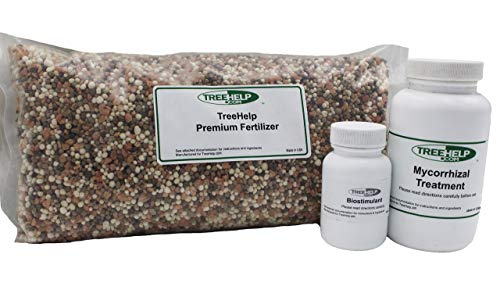
Complete 3-in-1 nutrition – includes slow-release granular fertilizer, liquid micronutrient spray, and liquid calcium feed for all-in-one citrus tree care

✅ One rooted White M a r s e i l l e s Fig Tree plant, 3-5 inches tall. The plant is sent with the rootball wrapped in soil and plastic, secured in a box. This variety is hardy to U.S.D.A. zone 6. You will receive a plant rooted from cuttings
Not Available for Sell in WA, USA
Conclusion
Growing a fig tree can be a rewarding journey filled with anticipation. While it might take a few years before you see those first fruits, the process is well worth the wait. By nurturing your tree with the right care and conditions, you’re setting the stage for a bountiful harvest in the future.
Keep an eye on your tree’s health and watch for those telltale signs of fruit readiness. With patience and attention, you’ll soon enjoy the sweet rewards of your hard work. Happy gardening and may your fig tree flourish!
Frequently Asked Questions
How long does it take for a fig tree to produce fruit?
Fig trees typically start producing fruit three to five years after planting. Some varieties, like Kadota, may bear fruit sooner, around three years, while others, like Brown Turkey and Black Mission, may take four to five years.
What factors influence the fruit production of fig trees?
Factors that affect fig tree fruit production include the tree variety, climate conditions, soil quality, and care practices such as watering, fertilization, and pruning. Proper attention to these aspects can enhance fruit-bearing potential.
What signs indicate a fig tree is ready to bear fruit?
Signs a fig tree is ready to produce fruit include healthy leaf growth, mature branches, the formation of flower buds, and overall good health. Monitoring these indicators helps predict when you can expect figs.
How can I care for my young fig tree to promote fruiting?
To support young fig trees, ensure they are planted in optimal locations with good sunlight, water them adequately but not excessively, provide balanced fertilization, and prune as necessary to encourage healthy growth and earlier fruiting.
What should I do to maintain the health of my mature fig tree?
To keep a mature fig tree healthy, focus on proper watering, manage pests effectively, and monitor tree health regularly. Consistent care during the growing season will help ensure continued fruit production.
