

Ever wondered how to grow more fruit trees without needing to buy new ones? Air layering might just be the solution you’re looking for. This simple propagation technique allows you to create new plants from existing ones, giving you a chance to expand your garden without the hassle of seeds or seedlings.
Key Takeaways
- Air Layering Definition: A propagation technique that encourages root growth on a stem while still attached to the parent tree, ideal for expanding your fruit tree collection.
- Selection Criteria: Choose healthy, mature branches (at least one year old) for successful air layering, ensuring they are thick enough to support new growth.
- Advantages of Air Layering: Benefits include genetic consistency, higher success rates, minimal space requirements, and faster results compared to traditional propagation methods.
- Suitable Fruit Trees: Common fruit trees that can be effectively air layered include citrus, apple, pear, and fig trees, allowing for quick expansion of your garden.
- Steps to Success: Follow straightforward steps such as making a proper cut, applying a moist medium, wrapping it securely, and monitoring until roots develop for effective propagation.
- Cost-Effective Gardening: Air layering is a low-cost method that utilizes existing trees, eliminating the need for purchasing seeds or new plants.
What Is Air Layering?
Air layering is a propagation technique that encourages root growth on a stem while it remains attached to the parent tree. This method allows you to create new fruit trees without the complications of seeds or seedlings.
How It Works
- Select a Healthy Branch: Choose a branch that’s at least one year old and healthy. The branch should be thick enough to support new growth.
- Make a Small Cut: Create a ring or notch in the bark about a third of the way through the stem. This cut helps stimulate root growth.
- Apply Moist Medium: Cover the cut area with a damp medium, like sphagnum moss or potting soil. This medium retains moisture for root development.
- Wrap It Up: Use plastic wrap or aluminum foil to encase the medium. Secure the ends with string or tape to prevent moisture from escaping.
- Wait for Roots: Keep the medium moist and monitor it regularly. Roots typically begin to form within a few weeks to a few months, depending on the species.
- Remove and Plant: Once roots develop, cut below the roots, and transplant the new tree into its own pot or location.
- Genetic Consistency: Air layering produces clones of the parent tree, ensuring the new tree retains desirable traits.
- Improved Success Rates: Compared to other propagation methods, air layering often yields higher success rates due to the established connection with the parent tree.
- Minimal Space Requirement: This method requires less space than growing from seeds.
Air layering serves as a practical approach for expanding your fruit tree garden effectively.
Benefits Of Air Layering
Air layering provides several advantages for propagating fruit trees. Here are the key benefits:
Recommended Products

【Super Value】— Including 8 packs of clear rooting balls (4 Small Size + 4 Medium Size ), 8 packs of Light-Shielding Film (4 Small Size + 4 Medium Size), and 32 cable ties for securing the rooting balls as needed.Fit branch size: 0.1-0.47inch.

Elsjoy Air Layering Propagation Kit includes 30 root growing balls in 3 sizes (10 pcs each), plus 120 zip ties. Cloning uses only one small branch, so it does not affect the tree's natural growth. Propagation takes a few weeks to six months depending on the plant.

[Air layering technique] Marcotting is a method of asexual propagation of plants. Applying the air layering technique, this rooting box promotes faster initial rooting and produces shoots with a 2x growth rate. It also helps to absorb more nutrients while keeping the branches in place, increasing the plant's survival rate.
Genetic Consistency
Air layering propagates identical clones of the parent tree. This consistency ensures that the new plants will exhibit the same fruit quality and characteristics as the original.
Higher Success Rates
Air layering boasts a higher success rate compared to techniques like seed propagation or grafting. New roots form while the branch remains attached to the parent. This connection supplies essential nutrients, enhancing growth.
Space Efficiency
Air layering requires minimal space. You can propagate multiple trees in small garden areas, making it a practical choice for urban gardeners or those with limited room.
Faster Results
Air layering often yields quicker results than traditional propagation methods. Within a few weeks to months, healthy roots form, allowing you to transplant new trees sooner.
Minimal Investment
You don’t need to purchase expensive seeds, seedlings, or pots. Air layering is cost-effective, as it utilizes existing trees to expand your garden.
Easy Maintenance
Following the air layering process is straightforward. Regularly check the moisture of the moss and ensure it remains damp. This simplicity makes it accessible for gardeners of all skill levels.
By understanding these benefits, you can maximize your fruit tree garden with ease.
Popular Fruit Trees That Can Be Air Layered
Air layering works well for many fruit trees, allowing you to propagate healthy, viable plants. Here are some popular fruit trees you can successfully air layer.
Recommended Products
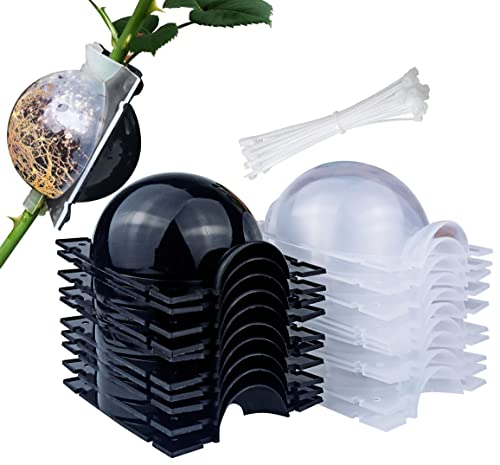
Simplify Process & Easy to Install: Our rooting ball make the process of packing the branches much easier than the old way of using plastic wrap. Corner buckles, bottom sheets & zip ties together fix the ball at the proper place without professional.

【Super Value】--Including 8 Pack of small rooting balls ,Fit branch size: 0.15~0.35 inch,We give you 30 extra cable ties to help you secure the root ball better.

Citrus Trees
Citrus trees, including oranges, lemons, and limes, respond well to air layering. Select a healthy branch about one year old. Make a small cut in the bark, apply sphagnum moss, and wrap it to maintain moisture. Expect roots within a few weeks, then cut and transplant the new tree.
Apple Trees
Apple trees are excellent candidates for air layering. Choose a mid-sized branch that has healthy foliage. Make a cut around the branch and apply moisture-retaining materials. Roots typically develop in 6 to 8 weeks. Once ready, cut the branch below the new roots and transfer it to a pot with soil.
Pear Trees
Pear trees can be air layered effectively. Look for a healthy, vigorous branch. Follow the same process as with other trees by making an incision and surrounding it with a moist medium. After about 8 to 10 weeks, check for root growth. Once roots form, sever the branch and plant it.
Fig Trees
Fig trees thrive with air layering techniques. Select a thick branch and make a cut to encourage root growth. Wrap it with moist moss and plastic to keep it damp. You’ll see roots in 4 to 6 weeks. Cut below the rooted section and pot it up for a new fig tree.
By air layering these fruit trees, you can quickly expand your garden and ensure healthy, robust plants ready for fruitful harvests.
Steps To Air Layer Fruit Trees
Air layering fruit trees involves several straightforward steps. Follow these instructions to ensure successful propagation.
Recommended Products

ULTRA CLEAN LONG FIBER QUALITY Handpicked Peruvian long fiber sphagnum moss with a soft springy texture that feels clean, natural and easy to handle. Each batch is carefully sorted to reduce sticks, loose waste and debris, giving you a cleaner workspace and a more attractive finish in pots, baskets and terrariums. The airy strands wrap gently around roots while supporting oxygen flow for orchids, aroids and indoor plants.

Dried Sphagnum Moss: This Mountain Moss can be used to reduce moisture loss and dress the soil around the base of plants for a natural touch; A hydrated bale will expand up to 5 times its volume
Preparing The Tree
- Select a Healthy Branch: Choose a branch that is at least 1 year old and free from pests or diseases. Look for a branch that is approximately the thickness of a pencil for optimal results.
- Clean the Area: Wipe the branch with a cloth to remove dirt or debris. A clean working area enhances the success rate of the air layering process.
- Choose the Right Time: Air layer during the growing season when the tree is actively producing new growth. This timing improves root development.
Making The Air Layer
- Make a Cut: Use a sharp knife to make a circular cut around the branch’s circumference. Remove a strip of bark about 1 inch wide, cutting down to the wood. This exposes the cambium layer, which encourages rooting.
- Apply Moist Medium: Wrap the exposed area with moist sphagnum moss. Make sure the moss is saturated but not dripping wet. This medium retains moisture during root development.
- Wrap and Secure: Use plastic wrap or aluminum foil to cover the moss. Secure it tightly with tape or string. Ensure the moss stays moist, as this is vital for root formation.
- Wait for Roots: Keep an eye on the air layer over the next few weeks. Roots will typically develop in 4 to 8 weeks. When they fill the moss, it’s time to proceed.
- Cutting the New Plant: Use a sharp knife to carefully cut below the new root mass. Make the cut at an angle to facilitate planting later on.
- Transplanting: Prepare a new pot or an area in your garden with well-draining soil. Plant the new tree, ensuring the roots are spread out and covered with soil.
- Water and Monitor: Water the newly planted tree thoroughly. Check it regularly for moisture, ensuring the soil remains damp but not soggy.
- Provide Shade: If you’re planting outdoors, provide temporary shade to protect the young plant from harsh sunlight until it acclimates.
By following these steps, you can successfully air layer fruit trees and enjoy new plants ready to produce delicious fruits.
Conclusion
Air layering is a fantastic way to expand your fruit tree garden while ensuring you get the same quality fruit from your new plants. With just a few simple steps you can create healthy clones of your favorite trees without the hassle of seeds or seedlings.
Whether you’re working with citrus trees apples pears or figs this method offers you a practical solution for propagation. You’ll not only save money but also enjoy the satisfaction of nurturing new plants from your existing trees. So grab your supplies and start air layering—you’ll be enjoying fresh fruit from your own garden in no time!
Frequently Asked Questions
What is air layering in fruit tree propagation?
Air layering is a technique used to grow new plants from existing trees by encouraging root growth on a stem while it stays attached to the parent tree. This method involves making a small cut in the bark, applying a moist medium, and wrapping it to maintain moisture.
Why should I choose air layering over other propagation methods?
Air layering offers several advantages, including higher success rates, genetic consistency, quicker results, and minimal space requirements. It’s particularly beneficial for urban gardeners looking to expand their fruit tree collection without buying new trees.
Which fruit trees can be successfully air layered?
Common fruit trees suitable for air layering include citrus trees (like oranges, lemons, and limes), apple trees, pear trees, and fig trees. Each type has specific requirements for branch selection and cutting.
How do I perform air layering on my fruit trees?
To air layer, choose a healthy branch, make a circular cut around it, apply moist sphagnum moss, and wrap it securely to preserve moisture. After several weeks, roots will develop, and you can cut the new plant and transplant it.
What care is needed after transplanting the air-layered tree?
After transplanting, ensure the new plant receives adequate water, monitor its growth, and provide some shade to help it acclimate. Maintaining moist soil and monitoring for pests will promote healthy development.
How long does it take for roots to develop when air layering?
The time required for roots to develop through air layering can vary, typically taking a few weeks to several months, depending on the type of fruit tree and growing conditions.
