

Have you ever wondered what the secret is to growing luscious grapes in your own backyard? Picture this: you’re dreaming of harvesting juicy, sun-kissed grapes straight from your garden, but you’re not sure where to start. That’s where choosing the right support system for your grapevines comes into play.
In this article, we’ll explore the essential factors to consider when deciding what to grow grapes on. From trellises to arbors, the structure you choose can make all the difference in the success of your grape-growing venture. Get ready to discover how selecting the perfect foundation for your grapevines can lead to a bountiful harvest and a flourishing garden.
Key Takeaways
- The choice of support structure for grapevines is crucial for their growth and yield.
- Factors like sturdiness, air circulation, sun exposure, and accessibility are key when selecting a support system.
- Grapes thrive in well-draining soils like loamy or sandy loam with pH levels ranging from 6.0 to 6.5.
- Soil preparation with organic matter and regular monitoring of moisture levels are essential for healthy vine growth.
- Understanding temperature needs, sunlight exposure, and proper care practices like pruning and watering are vital for successful grape cultivation.
Choosing the Right Support Structure for Grapes
When it comes to growing grapes, selecting the appropriate support structure is crucial for their growth and yield. Let’s delve into two key aspects that will help you make an informed decision.
Recommended Products

Complete Package for Convenience: the wire trellis kit Includes 61m trellis wire and 20 eye screws (diameter 2/10 inches); This package ensures you have all necessary components right at your fingertips, making set up a breeze and eliminating the need for additional purchases
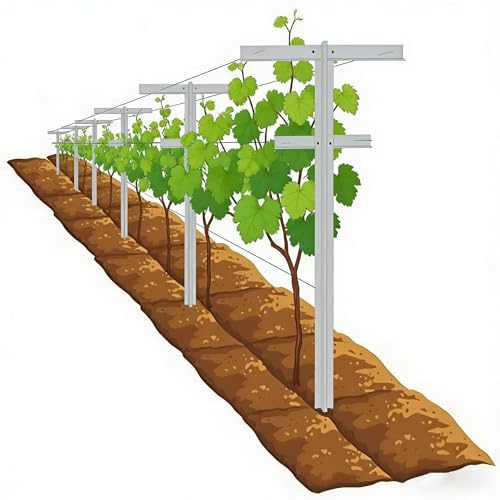
Fiberglass Material Raspberry Cross Stake System with 2 Adjustable Cross-bars

Durable Material: Plastic outside and metal inside pole, The garden trellis are made of durable plastic-coated steel core for reliable strength, long-lasting performance. Not easy to rust or break.
Types of Grapevine Trellises
Grapevines can be trained on various trellis systems, each offering unique benefits depending on your space and grape variety. Here are common types:
- Single-Wire Trellis: Ideal for backyard vineyards with limited space, this simple system consists of one wire stretched between posts.
- Vertical Shoot Positioning (VSP): Suited for cooler climates, VSP encourages upward growth by positioning shoots vertically along a series of wires.
- High-Cordon Trellis: A horizontal wire positioned at chest height supports cordons where fruiting spurs develop, making harvesting easier.
Features of a Good Support System
A well-designed support system enhances grape health and simplifies maintenance. Look for these features when choosing your structure:
- Sturdiness: Ensure the trellis can withstand the weight of mature vines laden with fruit without sagging or breaking.
- Air Circulation: Opt for designs that allow adequate airflow around the vines to reduce disease incidence and promote even ripening.
- Sun Exposure: Position the trellis to maximize sunlight exposure on leaves and clusters, aiding photosynthesis and fruit development.
- Accessibility: Select a design that facilitates easy access to vines for pruning, training, and harvesting tasks throughout the growing season.
By considering these factors and understanding the different trellis options available, you’ll be better equipped to choose a support structure tailored to your grape-growing needs.
Understanding Soil Requirements
When it comes to growing grapes, understanding the soil requirements is crucial for successful cultivation. Here’s what you need to know about the ideal soil types for grape growing and how to prepare your soil effectively.
Recommended Products

Accurate Soil pH Testing: Dewildetradingco Soil pH Test Strips offer measurements of soil pH levels (pH 3.5-9). As an essential tool for every gardener and grower, these test strips help determine the optimal pH for various plants, such as outdoor plants, indoor plants, gardens, grass lawns, fruit trees, flowers, vegetables, and forest shrubs.

PROFESSIONAL-GRADE ACCURACY: Engineered specifically for soil pH testing, delivering results quickly (in about 60 seconds). With a 3rd Generation, 3-pad ph tester strips design, our soil ph test kit ensures consistent, repeatable results for all your lawn, landscape and garden needs.

Wide pH Range (3-9) – Perfect for testing acidic to alkaline soils, ideal for gardens, lawns, farms, and potted plants
Ideal Soil Types for Grape Growing
Grapes thrive in well-draining soils that are rich in nutrients. The ideal soil type for grape cultivation is loamy soil, which provides a balanced mix of sand, silt, and clay. This type of soil allows for proper drainage while retaining enough moisture for the vines’ roots to access water easily.
In addition to loamy soil, sandy loam is also suitable for grapevines as it promotes good drainage and root aeration. Clay soils, although fertile, can be too compacted, leading to poor drainage and potential root suffocation unless amended properly.
Remember that pH levels play a significant role in grape production. Grapes prefer slightly acidic to neutral soils with pH levels ranging from 6.0 to 6.5. Conducting a soil test before planting will help you adjust the pH levels accordingly by adding lime or sulfur as needed.
Soil Preparation and Amendments
Before planting your grapevines, ensure proper soil preparation to create an optimal environment for growth. Start by clearing the area of any debris or weeds that may compete with your vines for nutrients.
Amend your soil with organic matter such as compost or well-rotted manure to improve its structure and fertility. Mixing in organic material helps retain moisture, encourages beneficial microbial activity, and provides essential nutrients for healthy vine development.
Consider incorporating cover crops like clover or vetch during the off-season to prevent erosion, suppress weeds, and enhance soil health through nitrogen fixation.
Regularly monitor your soil’s moisture levels and adjust irrigation practices accordingly to maintain consistent hydration without waterlogging the roots. Proper mulching around the base of your grapevines can also help conserve moisture and regulate temperature fluctuations in the root zone.
By understanding the specific soil requirements for grape cultivation and implementing appropriate preparation techniques, you’ll set the foundation for robust vine growth and bountiful harvests in your vineyard.
Climatic Considerations for Growing Grapes
When it comes to growing grapes successfully, understanding the climatic conditions is crucial. Here are some key factors to consider:
Temperature Needs
Grapes thrive in moderate temperatures. They generally require around 50-68°F (10-20°C) during the growing season, with cooler temperatures needed during dormancy. Extreme heat can affect grape quality and vine health. In regions where temperatures drop significantly in winter, selecting cold-hardy grape varieties is essential.
Sunlight and Shade Balance
Sunlight plays a vital role in grape development, aiding in photosynthesis and fruit ripening. Grapes need ample sunlight exposure to ensure optimal sugar levels and flavor profiles. However, excessive heat can lead to sunburned grapes or uneven ripening. Finding the right balance between sunlight exposure and providing shade during peak sun hours can help maintain grape quality.
By paying attention to temperature needs and balancing sunlight exposure effectively, you can create an ideal environment for your grapevines to flourish and produce high-quality fruits in your backyard vineyard.
Care and Maintenance of Grapevines
Caring for your grapevines is crucial to ensure a bountiful harvest. Let’s explore essential practices for maintaining healthy and productive grapevines.
Recommended Products

CLEAN CUTS FOR LIVE GROWTH: Bypass blade design is ideal for pruning delicate flower stems and green growth, helping reduce crushing and plant damage while cutting stems and small branches up to 5/8” in diameter

GARDENING ESSENTIAL: With these stainless steel blade gardening shears, pruning tasks like cutting flower stems or maintaining your herb garden are easier with fast and clean cuts

PROFESSIONAL BYPASS SHEARS FOR CLEAN CUTS: Designed with a bypass blade system, PrunePro garden shears deliver sharp, clean, precise cuts through branches, helping plants heal faster without crushing stems. The double-sharpness blade design makes trimming smooth and effortless for roses, fruit trees, shrubs, flowers, vegetables, and green growth. A reliable choice for everyday gardening and pruning tasks
Pruning Techniques
Pruning is a vital task that helps optimize grapevine growth, fruit production, and overall plant health. Here are some key pruning techniques you should consider:
- Winter Pruning: Conduct winter pruning when the vines are dormant to remove old wood, improve air circulation, and promote new growth in the upcoming season.
- Summer Pruning: Trim excess foliage during the summer to enhance sunlight penetration into the canopy, aid in ripening fruit, and reduce disease risk by boosting airflow.
- Canopy Management: Regularly manage the vine canopy by training shoots along the trellis wires, ensuring proper spacing between clusters for optimal sun exposure and airflow.
Fertilization and Watering Practices
Proper fertilization and watering are essential components of grapevine care. Follow these guidelines to provide your vines with the nutrients and hydration they need:
- Soil Testing: Conduct soil tests regularly to determine nutrient deficiencies and pH levels. Adjust fertilization based on test results to maintain soil fertility.
- Fertilization Schedule: Apply fertilizer in early spring before bud break to support vine growth. Consider using organic options or specialized grape fertilizers for best results.
- Watering Regimen: Provide consistent moisture throughout the growing season, especially during flowering and fruit set. Avoid overwatering to prevent root rot but ensure vines receive adequate hydration during dry periods.
By implementing proper pruning techniques, fertilizing according to plant needs, and maintaining a suitable watering regimen, you’ll nurture healthy grapevines capable of producing quality grapes year after year.
Conclusion
You’ve now discovered the key elements for successful grape cultivation. By choosing the right support system and soil conditions, you set the stage for healthy vine growth. Understanding trellis options, ideal soil types, pH levels, and proper care practices like pruning and fertilization are crucial in nurturing your grapevines. Remember to prioritize winter and summer pruning, tailor fertilization to your soil’s needs, and maintain consistent watering routines. These steps will ensure your grapevines flourish year after year, yielding abundant harvests of delicious grapes. With this knowledge in hand, you’re well-equipped to create an optimal environment for your vines to thrive and produce quality fruit consistently.
Frequently Asked Questions
What are the key factors to consider for successful grape cultivation?
Select the right support system and soil conditions suitable for grape growth. Choose appropriate trellis options, ideal soil types with optimal pH levels, and prepare the soil adequately.
How can I care for my grapevines effectively?
Practice proper pruning techniques, manage the canopy efficiently, fertilize based on soil tests, and maintain consistent watering practices.
Why is winter and summer pruning important for grapevines?
Winter pruning ensures healthy growth in spring while summer pruning manages vine vigor and promotes fruit development.
How should I fertilize my grapevines?
Fertilize grapes according to soil test results to provide essential nutrients for robust vine growth and fruit production.
What is the significance of consistent watering in grape cultivation?
Consistent watering throughout the growing season is crucial to maintain vine health, promote fruit set, and ensure quality grape production.
