

Have you ever woken up to find a late frost threatening your precious fruit trees? It’s a common worry for gardeners who want to enjoy a bountiful harvest. Frost can damage blossoms and young fruit, leaving you feeling defeated after all your hard work.
But don’t fret! This article will share practical tips and techniques to shield your trees from frost. You’ll learn how to prepare your garden, what materials to use, and when to take action. With a bit of planning, you can keep your fruit trees safe and thriving, ensuring a sweet harvest season ahead.
Key Takeaways
- Understand Frost Impact: Recognizing how frost affects fruit trees during flowering and fruit set stages is vital for effective protection strategies.
- Select Optimal Locations: Plant fruit trees in areas with good air drainage and sunlight exposure to minimize frost risk, avoiding low-lying and heavily shaded spots.
- Choose Hardy Varieties: Opt for fruit tree varieties specifically bred for cold tolerance to ensure better survival and yield in colder climates.
- Use Effective Protective Techniques: Employ methods such as covering trees with frost cloth and using mulch for insulation to shield trees from frost damage.
- Incorporate Heat Sources: Use heat sources like incandescent bulbs, space heaters, or fire pits to elevate temperatures around fruit trees during frost events.
- Utilize Wind Machines: Install wind machines to circulate warmer air and prevent cold air from settling, offering an additional layer of frost protection.
Understanding Frost and Its Impact on Fruit Trees
Frost can significantly impact the health and yield of your fruit trees. Understanding frost and its effects helps you take effective protective measures.
What Is Frost?
Frost occurs when temperatures drop below freezing, leading to the formation of ice crystals on surfaces. Typically, this happens at night or early morning when the air is still and calm. Ground temperatures can be colder than air temperatures, causing frost to form even when the forecast doesn’t predict it. Various types include radiation frost, where heat escapes during clear nights, and advective frost, which occurs in windy, cold conditions.
How Frost Affects Fruit Trees
Frost damages fruit trees primarily during flowering and fruit set stages. It can kill blossoms, reduce fruit size, and lead to poor yields. For instance, apple trees exposed to temperatures below 28°F (-2°C) during flowering may lose buds, impacting crop viability. Desiccation can occur, causing leaves to wilt. Additionally, frost can weaken trees, making them more susceptible to pests and diseases. Recognizing these effects allows you to take timely action to protect your trees.
Preventive Measures for Protecting Fruit Trees
Protecting fruit trees from frost requires careful planning and the right techniques. Implementing preventive measures helps minimize frost damage and ensure healthier trees.
Recommended Products

The Large plant cover is perfect for Plant size 55''-70"high and 84''-94" round, Heavy-weight FRCs (1.77oz./sq. yard): usually used to extend the growing season in spring and fall, allow 40%-60% light transmittance, and recommend 3°-8°F of freeze protection

Upgrade Rounded Top Plant Covers: The plant covers freeze protection adopt a newly upgraded dome expansion design, creating maximum 3D protective insulation space. It outperforms flat covers of the same size, effectively reducing the risk of branch/leaf breakage, and provides a warm, safe overwintering environment for trees, shrubs, flowers, vegetables, and other outdoor plants in autumn and winter

PACKAGE: The package includes 4Pcs plant covers,will meet your daily use or replacement. Measuring 31.5" x 47.3", the plant protector is waterproof, windproof.
Selecting the Right Location
Choosing the right spot for planting your fruit trees is crucial. Position trees in areas with good air drainage. Low-lying areas tend to trap cold air, increasing frost risk. Elevated sites or slopes provide better exposure to sunlight and warmth. Avoid planting in heavy shade from buildings or other trees. Also, consider proximity to hard surfaces like driveways or patios, which can absorb heat and help moderate temperatures nearby.
Choosing Hardy Fruit Tree Varieties
Opt for fruit tree varieties that tolerate colder temperatures. Look for types specifically bred for your local climate. Apples, pears, and certain cherries offer cold hardiness. Always check the hardiness zone, often noted on plant labels, to ensure a good fit with your area’s temperature fluctuations. Varieties like ‘Honeycrisp’ apples or ‘Montmorency’ cherries adapt well to cooler climates, offering better resistance to frost damage.
Protective Techniques Against Frost
Protecting your fruit trees from frost requires a few effective techniques. By employing these methods, you can help ensure your trees remain healthy and productive.
Covering Trees with Frost Cloth
Cover your trees with frost cloth during predicted frost events. Frost cloth provides insulation while allowing sunlight and moisture to penetrate. Ensure the cloth reaches the ground to trap heat. Secure it with rocks or stakes to prevent strong winds from blowing it away. Remember to remove the cloth during the day to prevent overheating.
Using Mulch for Insulation
Applying mulch around the base of your fruit trees adds insulation against cold temperatures. Use organic materials, like wood chips or straw. Spread a layer of 2-4 inches thick, leaving space around the trunk to avoid rot. This layer helps maintain soil temperature and moisture levels, mitigating frost impact on roots.
Additional Strategies for Frost Protection
Implementing additional strategies can further safeguard your fruit trees from frost damage. These methods enhance your existing protective efforts and ensure a healthy harvest.
Recommended Products

Temperature Controlled: This 120V 20 inch thermostat plug comes with built-in extension cord and automatically turns on heaters below 37°F and off above 50°F
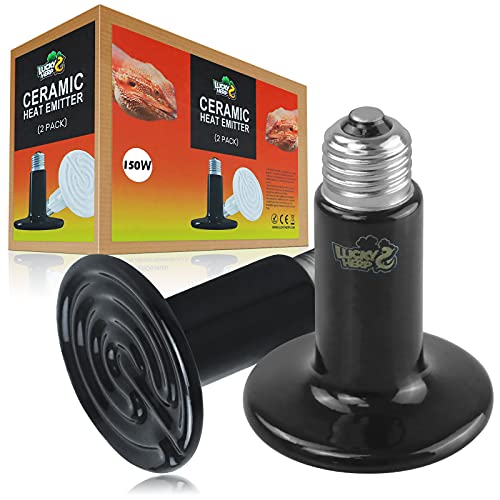
🦎No Light Emitted - The heat lamp bulb only generates heat during use, and does not emit light. It provides sufficient heat for your pets so that they can feel the warmth you made for it in a cold environment. Especially when it is used at night, it will not affect the pet's sleep.

【1500W Fast Heat】Featuring a premium halogen lamp, our 1500W hanging patio heater can withstand higher temperatures, providing enhanced lighting and heating efficiency. The 16.5-inch diameter heating panel keeps your surrounding area (up to 322 square feet) cozy and warm, quickly heating up a full 360° area in just 3 seconds. Additionally, the upgraded two-speed heating mode perfectly suits different occasions, ensuring ultimate comfort and warmth indoors or out.
Employing Heat Sources
Using heat sources aids in frost protection by raising local temperatures around your trees.
- Setting up light bulbs: Hang outdoor-rated incandescent bulbs or heat lamps near your trees. These emit warmth and help combat nighttime chill.
- Utilizing space heaters: Place portable space heaters strategically in your garden. Aim them at your fruit trees, ensuring they’re safe from wind and rain.
- Constructing fire pits: Build a small fire pit and monitor the flames closely. The heat generated can create a warm pocket around your trees, extending warmth into freezing nights.
Utilizing Wind Machines
Wind machines play a vital role in frost protection by circulating warmer air and preventing cold air from settling around your trees.
- Choosing the right model: Select wind machines designed for frost protection, which are available in various sizes. Ensure it suits the scale of your orchard.
- Positioning carefully: Place the wind machine at a height that allows optimal airflow. Set it up in areas where cold air tends to pool, enhancing effectiveness.
- Timing operation: Activate the machines before temperatures dip at night. Continuous operation helps mix warmer air with colder layers, preventing frost formation on your trees.
Implementing these additional strategies, alongside other protective measures, creates a robust defense against frost damage, promoting healthier fruit trees and better yields.
Conclusion
Taking proactive steps to protect your fruit trees from frost can make a world of difference. By understanding the types of frost and their effects you can better prepare your trees for those chilly nights.
Implementing the right techniques like covering your trees and using heat sources can significantly reduce the risk of damage. Remember to choose the right planting location and consider hardy varieties that thrive in your climate.
With a little effort and attention you can enjoy a bountiful harvest season and keep your fruit trees healthy and thriving. Happy gardening!
Frequently Asked Questions
What causes late frost and when does it occur?
Late frost occurs when temperatures drop below freezing, resulting in ice crystal formation, often on calm nights in spring. This typically affects fruit trees during their flowering and fruit set stages.
How can I prevent frost damage to my fruit trees?
To prevent frost damage, choose planting locations that offer good air drainage, avoid low-lying areas, and select hardier fruit tree varieties. Consider covering trees with frost cloth during expected cold nights and using mulch for insulation.
What materials should I use for protecting my trees from frost?
Use frost cloths for covering trees and organic mulching materials like wood chips or straw to insulate the soil. Heat sources such as incandescent bulbs, heat lamps, or fire pits can also help create warmer conditions around the trees.
How can I effectively use wind machines for frost protection?
Wind machines help circulate warmer air and prevent cold air from settling around trees. When using them, ensure proper positioning and timing for optimal effectiveness, particularly during frost events.
What types of fruit trees are more resistant to frost?
Hardy fruit tree varieties such as certain apples, pears, and cherries bred for local climates tend to be more resistant to frost damage, making them better choices for frost-prone areas.
