

Loquat trees thrive in Arizona’s desert climate when provided with proper irrigation and care. These trees can produce sweet fruit in hot conditions, but understanding their specific needs is crucial for successful cultivation.
Loquat Tree Care in Arizona’s Climate
Loquat trees prefer well-drained soil and full sun exposure. They can tolerate heat but require consistent moisture to thrive. In Arizona, the intense summer sun can stress the trees if not adequately managed. Understanding these requirements helps ensure healthy growth and fruit production.
Recommended Products
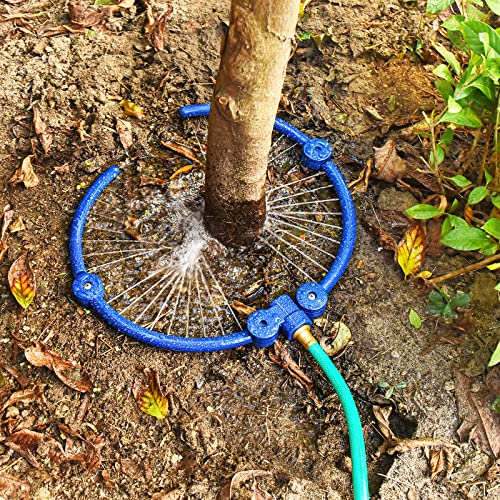
【Specially Designed for Trees and Shrubs】 The Watering Ring is a multi-purpose irrigation ring that attaches to a garden hose to efficiently water young trees shrubs vegetables or flower beds using drip or trickle irrigation.It directs water to the root perimeter of the plant to give them a good start during the first two growing seasons or through periods of drought.

NO MORE HARD INSTALLATION - SET UP IN MINUTES. Tired of struggling with stiff barbed fittings? This drip irrigation system features quick-connect fittings that let you push, lock, and secure tubing effortlessly. No tools, no leaks, just a smooth setup experience. Enjoy a frustration-free installation and get your garden watering system running in minutes.

【Even & Consistent Root Watering】Features micro-pore seepage technology that distributes water evenly along the entire hose, transforming spot watering into uniform line watering directly to plant roots. Unlike traditional drip irrigation systems with clog-prone emitters, this soaker hose creates a continuous moisture band for healthier, deeper-rooted plants
Tools and Supplies for Loquat Cultivation
Successful loquat cultivation in Arizona’s challenging climate requires the right tools and supplies. From irrigation systems to soil amendments, having the appropriate equipment can significantly enhance growth and fruit production. This section outlines the essential items needed to ensure your loquat trees thrive in the desert heat.
Gathering the right tools and supplies is vital for successful loquat tree cultivation. Consider the following items:
Drip irrigation system for efficient watering
Mulch to retain soil moisture
Soil test kit to assess pH and nutrient levels
Fertilizer specifically formulated for fruit trees
Site Preparation for Loquat Trees
Preparing the site for loquat trees in Arizona requires careful consideration of the unique desert environment. Proper site selection and preparation are crucial to ensure these trees thrive under the intense heat and limited moisture. This section outlines essential steps to create an optimal growing environment for loquat trees, focusing on soil quality, drainage, and irrigation techniques.
Before planting loquat trees, prepare the site properly. Choose a location with well-draining soil and ample sunlight. Follow these steps:
Test soil pH to ensure it is between 6.0 and 7.5.
Amend soil with organic matter if necessary.
Install drip irrigation to ensure consistent watering.
Wear gloves when handling fertilizers to avoid skin irritation.
Successful Planting Techniques for Loquat Trees
Successfully planting loquat trees in Arizona requires careful consideration of the unique desert environment. Understanding the specific techniques for irrigation and soil preparation can significantly enhance growth and fruit production. This section will provide essential strategies to ensure your loquat trees thrive despite the challenges of heat and arid conditions.
Planting loquat trees requires attention to detail for optimal growth. Follow these steps for successful planting:
Dig a hole twice the width of the root ball and the same depth.
Remove the tree from its container gently.
Place the tree in the center of the hole, ensuring the root collar is level with the soil surface.
Backfill with soil and water thoroughly to eliminate air pockets.
| Step | Action | Importance |
|---|---|---|
| 1 | Dig a hole | Ensures proper root development |
| 2 | Remove the tree | Prevents root damage |
| 3 | Place the tree | Establishes stability |
| 4 | Backfill and water | Promotes healthy growth |
Irrigation Techniques for Loquat Trees
Successfully cultivating loquat trees in Arizona’s arid climate requires careful attention to irrigation techniques. Given the challenges posed by desert heat, understanding the best methods for watering these trees is essential for promoting healthy growth and fruit production. This section explores effective irrigation strategies tailored to the unique conditions of the region.
Effective irrigation is critical for loquat trees in Arizona’s dry climate. Implement these strategies:
Use a drip irrigation system to deliver water directly to the roots.
Water deeply once a week during the growing season.
Monitor soil moisture regularly to adjust watering frequency.
Mulch around the base to reduce evaporation.
Loquat Tree Pest and Disease Control
Managing pests and diseases is crucial for the health of loquat trees in Arizona’s challenging desert climate. Understanding the common threats these trees face and implementing effective control measures can ensure a fruitful harvest. This section delves into practical strategies for keeping your loquat trees vigorous and productive despite environmental stresses.
Loquat trees can face pests and diseases that affect their health. Regular monitoring is essential. Common issues include:
Aphids which can be controlled with insecticidal soap
Leaf spot which may require fungicide application
Root rot due to overwatering, which can be prevented by proper drainage
Critical Warning: Always read and follow label instructions for any chemical treatments to avoid harming the tree.
Optimal Loquat Harvesting Techniques
Successfully harvesting loquats in Arizona requires an understanding of the unique climate and irrigation needs of these trees. With the right techniques, you can maximize fruit yield while ensuring the health of your plants. This section explores the best practices for harvesting loquats, tailored specifically for the challenges of desert conditions.
Once the trees mature, harvesting loquats can be a rewarding experience. Follow these guidelines for optimal fruit collection:
Harvest when fruit is fully colored and slightly soft to the touch.
Use scissors to cut the fruit from the stem to avoid damaging the tree.
Store harvested fruit in a cool place to maintain freshness.
Final Verdict: Proper care, irrigation, and pest management are essential for thriving loquat trees in Arizona.
