

Banana trees thrive in Norfolk, VA, with proper care and attention to local climate conditions. Selecting the right variety and implementing effective growing techniques can yield fruitful results in the Tidewater region.
Choosing Suitable Banana Varieties for Norfolk
Banana trees are not all the same, and choosing the right variety is crucial for successful cultivation in Norfolk’s coastal climate. The most suitable types include the Dwarf Cavendish and Blue Java. These varieties are known for their resilience and ability to adapt to local soil and weather conditions.
Dwarf Cavendish: Grows up to 4-5 feet tall, ideal for smaller spaces.
Blue Java: Known for its cold tolerance and unique flavor.
Optimal Climate for Norfolk Banana Trees
Norfolk, VA, with its unique Tidewater coastal climate, provides an ideal environment for growing banana trees. The region’s warm temperatures, ample rainfall, and humidity create the perfect conditions for these tropical plants to thrive. Understanding the specific climate factors that benefit banana trees can help local gardeners maximize their growth and fruit production.
Banana trees require specific environmental conditions to flourish. Understanding these needs will help ensure healthy growth and fruit production.
Sunlight: Full sun is essential for optimal growth. Aim for at least 6-8 hours of direct sunlight daily.
Soil: Well-draining soil enriched with organic matter promotes healthy root development. A pH level between 5.5 and 7.0 is ideal.
Watering: Regular watering is necessary, especially during dry spells. Aim for consistent moisture without waterlogging.
| Condition | Ideal Requirement | Importance |
|---|---|---|
| Sunlight | 6-8 hours | High |
| Soil pH | 5.5 – 7.0 | Medium |
| Watering | Consistent moisture | High |
Garden Preparation for Banana Tree Cultivation
Preparing your garden for banana tree cultivation in Norfolk, VA requires careful consideration of the local climate and soil conditions. This section outlines essential steps to ensure your garden is ready for these tropical plants, focusing on soil preparation, space requirements, and optimal planting techniques to promote healthy growth in the Tidewater region.
Preparing your garden space is vital for successful banana tree cultivation. Proper site selection and soil preparation can significantly impact growth.
Choose a location: Select a spot with full sun and protection from strong winds. This helps prevent damage to the leaves.
Soil preparation: Mix in compost or well-rotted manure to improve soil fertility and drainage. This creates a nutrient-rich environment for the roots.
Recommended Products
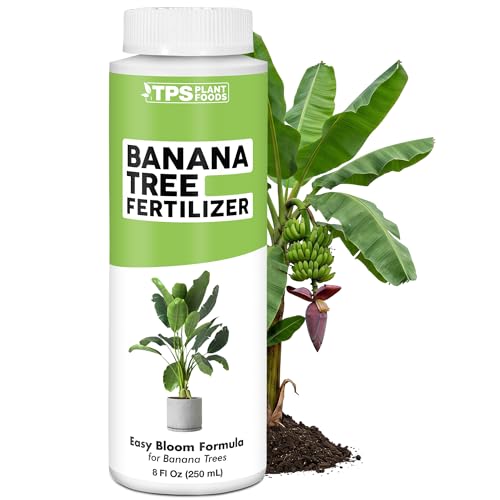
Made for Banana Trees – Specially formulated banana fertilizer designed to support the nutrient needs of banana plants.

100% Natural: Custom blend for your indoor potted banana trees

Feed the soil not the plants - stimulate microbial activity in your soil and boost probability of success with all types of plants… like composting but faster
Nutrient Strategies for Banana Tree Growth
In Norfolk, VA, cultivating banana trees requires a keen understanding of nutrient strategies tailored to the Tidewater coastal environment. This section delves into the essential nutrients that promote healthy growth, addressing the unique challenges posed by the local soil and climate conditions. By implementing targeted fertilization techniques, gardeners can optimize their banana tree yields and overall health.
Fertilizing banana trees correctly can enhance growth and fruit production. Using the right nutrients at the right time is essential for healthy plants.
Type of fertilizer: Use a balanced fertilizer with equal parts nitrogen, phosphorus, and potassium. This supports overall plant health.
Application frequency: Fertilize every 6-8 weeks during the growing season. Adjust based on plant response.
Banana Tree Pest and Disease Solutions
In Norfolk, VA, banana trees face unique challenges from pests and diseases that can hinder their growth and fruit production. Understanding these threats is essential for maintaining healthy plants in the Tidewater region. This section explores effective solutions and management strategies tailored to combat the specific issues affecting banana trees in this coastal environment.
Pests and diseases can threaten banana tree health. Being proactive in management can prevent significant issues.
Common pests: Watch for aphids, spider mites, and banana weevils. Regularly inspect leaves for signs of infestation.
Disease prevention: Maintain good air circulation around plants and avoid overhead watering to reduce fungal diseases.
| Pest/Disease | Symptoms | Control Method |
|---|---|---|
| Aphids | Curling leaves | Insecticidal soap |
| Banana weevil | Wilting plants | Neem oil application |
| Fungal diseases | Yellowing leaves | Improve drainage |
Recommended Products
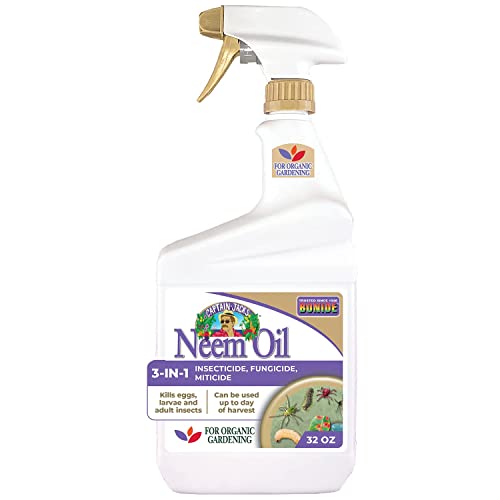
Protect your oasis with 3 garden products in 1 from Captain Jack’s; Bonide Captain Jack’s Ready-to-Use Neem Oil spray for plants is a multi-purpose fungicide, insecticide and miticide for your lawn & garden

FUNGAL DISEASE CONTROL: Prevents and controls black spot on roses, powdery mildew, rust, downy mildew, and other listed fungal diseases when applied on a 7–14 day schedule
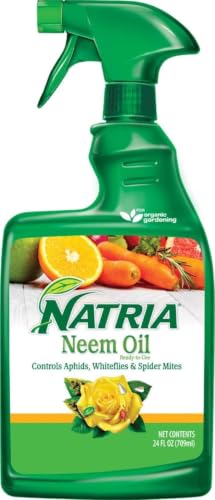
PLANT DISEASE CONTROL: Natria Neem Oil acts as an insecticide and fungicide in one convenient spray; Ready-to-use trigger sprayer requires no mixing
Banana Harvest Timing and Techniques
Understanding the optimal timing and techniques for harvesting banana trees is crucial for maximizing yield and ensuring fruit quality. In Norfolk, VA, where the climate presents unique challenges, knowing when to harvest and how to handle the fruit can significantly impact the success of your banana cultivation. This section delves into effective strategies tailored for local conditions.
Knowing when and how to harvest bananas is vital for enjoying their best flavor. Timing and technique can affect fruit quality.
Harvest timing: Bananas are ready to harvest when they are plump and the color changes from green to yellow. This usually occurs 75-80 days after flowering.
Harvesting method: Use a sharp knife to cut the bunch from the plant. Handle with care to avoid bruising the fruit.
Winter Protection Strategies for Norfolk Banana Trees
In Norfolk, VA, winter poses unique challenges for banana trees, which thrive in warmer climates. Implementing effective protection strategies is essential to ensure these tropical plants survive the colder months. This section explores practical methods to safeguard banana trees from frost and freezing temperatures, helping gardeners maintain their lush foliage year-round.
Winter can pose challenges for banana trees in Norfolk. Implementing protective measures can help ensure survival through colder months.
Mulching: Apply a thick layer of mulch around the base to insulate roots and retain moisture.
Covering plants: Use frost cloths or blankets during extreme cold snaps to protect foliage.
| Winter Care Method | Purpose | Effectiveness |
|---|---|---|
| Mulching | Insulate roots | High |
| Covering plants | Protect foliage | Medium |
Growing Conditions for Norfolk Banana Trees
Understanding the growing conditions for banana trees in Norfolk, VA is essential for successful cultivation in this unique Tidewater region. The area’s climate, soil type, and seasonal variations significantly influence the health and productivity of these tropical plants. This section delves into the specific environmental factors that contribute to thriving banana trees in Norfolk.
Banana trees can thrive in Norfolk with the right care and attention. Regular monitoring and adjustments to growing conditions will lead to successful cultivation.
Be diligent in pest management and seasonal care for the best results.
