

Ever looked at your fruit trees and wondered if they could produce more delicious fruit? You’re not alone. Many gardeners face the challenge of keeping their trees healthy and productive. Trimming your fruit trees isn’t just about aesthetics; it’s essential for promoting growth and improving fruit quality.
Key Takeaways
- Importance of Trimming: Regular trimming is essential for the health and productivity of fruit trees, promoting stronger growth and enhancing fruit quality.
- Timing Matters: Trimming during late winter to early spring is often ideal, as trees are dormant and less susceptible to stress from pruning.
- Tailored Techniques: Different fruit trees (apple, pear, cherry, peach) require specific trimming techniques and timings for optimal yield.
- Signs for Trimming: Look for dead or diseased branches, overcrowded canopies, weak growth, and heavy fruit loads as indicators that trimming is needed.
- Essential Tools: Using the right tools (hand pruners, loppers, pruning saws, and protective gear) is crucial for effective and safe trimming of fruit trees.
- Step-by-Step Process: Follow a systematic approach to trimming by assessing the tree, starting with unhealthy branches, and making clean cuts. Limit foliage removal to avoid shock.
Understanding Fruit Tree Trimming
Trimming fruit trees is vital for their health and productivity. Proper techniques not only enhance the tree’s appearance but also improve fruit quality and yield.
Importance of Trimming Fruit Trees
Trimming fruit trees encourages stronger growth. It removes dead or diseased branches, which can harbor pests or diseases. Maintaining an open canopy helps sunlight reach all parts of the tree, promoting even fruit ripening. It also creates an ideal shape, making it easier to harvest the fruits. Regular trimming can lead to a more abundant crop in the long run.
Common Types of Fruit Trees
Fruit trees vary widely, each requiring specific trimming techniques. Here are some common types you might encounter:
- Apple Trees: Prune in late winter or early spring. Focus on removing crowded branches to allow good airflow.
- Pear Trees: Trim in late winter, similar to apples. Prioritize symmetry and open center for better sunlight distribution.
- Cherry Trees: Prune after fruiting in summer. Remove any dead or crossing branches to reduce disease risk.
- Peach Trees: Trim in late winter before new growth starts. Aim for an open structure to enable light penetration.
Each type of tree benefits from tailored care. Understanding these nuances helps you maximize your harvests effectively.
The Best Time to Trim Fruit Trees
Timing plays a crucial role in the success of trimming fruit trees. Trimming at the right time enhances growth and fruit quality.
Recommended Products

· ULTRA-SHARP SK5 STAINLESS STEEL - Engineered with premium SK5 stainless steel, these heavy duty pruning shears deliver razor-sharp precision and maximum hardness. The rust-resistant blades are designed to stay sharp longer, effortlessly resisting corrosion and sap buildup for smooth, friction-free garden shears performance year after year.
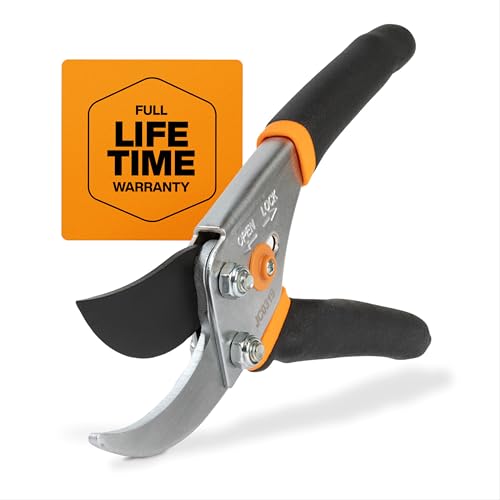
CLEAN CUTS FOR LIVE GROWTH: Bypass blade design is ideal for pruning delicate flower stems and green growth, helping reduce crushing and plant damage while cutting stems and small branches up to 5/8” in diameter
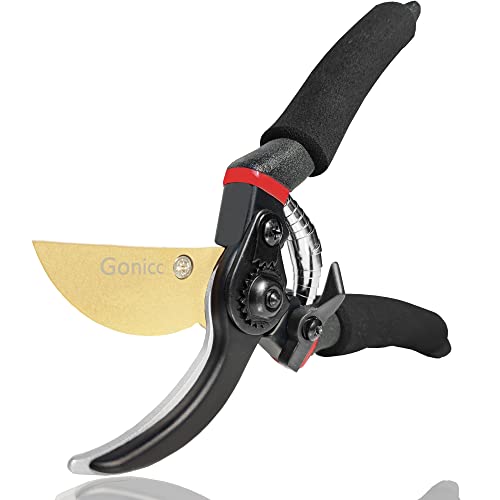
Drop-forged construction delivers exceptional durability and sturdiness for long-term heavy garden use.
Seasonal Considerations
Pruning during late winter to early spring is often ideal for most fruit trees. At this time, trees remain dormant, minimizing stress. You can inspect branches for damage or disease easily during dormancy. Avoid trimming in late summer or fall, as this may stimulate new growth that won’t harden before winter. For specific types of trees:
- Apple Trees: Trim in late winter.
- Peach Trees: Trim in late summer after harvest.
- Cherry Trees: Trim in summer to reduce disease risks.
Signs It’s Time to Trim
Look for these signs to determine if your fruit trees need trimming:
- Dead or Diseased Branches: Remove branches showing signs of decay or disease.
- Overcrowded Canopy: If branches grow too close, thin them out to allow for better sunlight and air circulation.
- Weak Growth: Trim branches that are weak or spindly to encourage stronger growth.
- Heavy Fruit Load: If fruit clusters are too heavy for branches, trim to prevent breakage.
Regularly checking your trees for these signs helps ensure their health and productivity.
Tools You Need for Trimming
Using the right tools makes trimming fruit trees efficient and effective. Here’s a breakdown of essential tools and safety equipment you need.
Recommended Products

10FT POLE TREE PRUNER WITH SAW FUNCTION: Designed primarily for high branch trimming with pull-rope pruning shears, while the integrated saw provides an additional cutting option when needed. This manual tree pruner combines pruning and sawing functions in one long-reach tool for routine tree care in yards, gardens, and orchards.

Pay Attention!Tool only,No battery! This Electric Pruning Shears is just compatible with Dewalt 20V Battery.
Essential Trimming Tools
- Hand Pruners: Hand pruners work well for small branches, providing a clean cut on wood up to ¾ inch thick. Look for bypass pruners for clean slicing, or anvil pruners for dead branches.
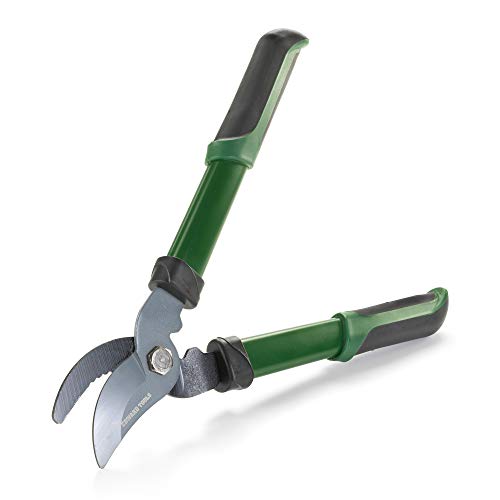
- Loppers: Loppers handle thicker branches, usually between ¾ inch and 2 inches. Use them for cutting larger limbs and reaching higher. Choose lightweight, yet sturdy options.
- Pruning Saw: A pruning saw is ideal for branches over 2 inches. A folding saw is portable, while a regular pruning saw offers stability and efficiency.
- Pole Pruner: Use a pole pruner to reach high branches without a ladder. These extendable tools come with either saw blades or cutting heads, making them versatile.
- Secateurs: For delicate trimming, secateurs can prune thin stems and flower clusters. They’re useful for maintaining smaller fruits like berries.
- Gloves: Protective gloves shield your hands from thorns and sharp branches. Choose gloves that offer grip and flexibility for better control.
- Safety Glasses: Safety glasses prevent debris from getting into your eyes during trimming. Opt for a comfortable fit that allows clear vision.
- Helmet with Face Shield: If trimming larger trees, wear a safety helmet with a face shield to protect against falling branches.
- Knee Pads: When working close to the ground, knee pads provide comfort and protection. This helps avoid injury while trimming lower branches or shrubs.
- Steel-Toed Boots: Steel-toed boots protect your feet from falling tools or branches. Ensure they provide good support for better stability during your task.
Step-by-Step Guide to Trimming Fruit Trees
Trimming fruit trees can significantly enhance their health and productivity. Follow these steps for effective trimming.
Recommended Products

★ 1. What you get: Professional convenient grafting tool set including a dual-use grafting pruner tool contain 2 extra replaceable blades, a wrench and a screwdriver, along with 36pcs wide rubber bands, 150 thick rubber bands and 1 grafting tape, packed in a black wallet to meet all your needs

✂Multifunctional -2 in 1 Garden Grafting Tools-Professional grafting set allows you to pruning and grafting at the same time, saving more time and effort than traditional grafting methods, easy to use and more efficient. It allows you to trim away excess leaves and twigs and prepare the plants to be grafted. At the same time, you can make a precise cut into the grafting stock with the special grafting blade.

【Applicable Scenarios】 4-Pack Garden Scissors Set Whether you're caring for your garden, maintaining a community garden, working in a greenhouse, harvesting fruit trees, tending to flower bonsai, or participating in outdoor landscaping projects, these shears will help you complete tasks with precision and ease. They make a great gift for wives and mothers who love gardening.
Preparing the Tree for Trimming
- Assess the tree’s condition. Look for dead or diseased branches that require immediate attention.
- Check the canopy. Identify overcrowded areas where light and air circulation are poor.
- Gather your tools. Ensure you have hand pruners, loppers, a pruning saw, and pole pruners ready for use.
- Dress for safety. Equip yourself with gloves, safety glasses, and a hard hat to protect against falling branches.
- Start with dead or diseased branches. Cut these back to healthy wood to prevent disease spread.
- Thin the canopy. Remove overlapping branches to improve light exposure and airflow. Aim for a balanced shape.
- Cut at a 45-degree angle. This technique promotes water runoff and reduces rot on cut surfaces.
- Make clean cuts. Use sharp tools to avoid jagged edges, which can invite pests and diseases.
- Limit trimming in one session. Remove no more than 25% of the tree’s foliage at once to prevent shock.
By following these precise methods, you can ensure that your fruit trees remain healthy, productive, and manageable.
Conclusion
Trimming your fruit trees is a rewarding task that not only keeps them healthy but also boosts your harvest. By following the right techniques and timing, you can ensure your trees thrive and produce delicious fruit for years to come.
Remember to use the appropriate tools and safety gear to make the process smooth and enjoyable. Regular maintenance and attention to your trees will pay off in the long run. So grab your pruners and start nurturing those branches. Happy trimming!
Frequently Asked Questions
Why is trimming fruit trees important?
Trimming fruit trees is crucial for enhancing growth, improving fruit quality, and maintaining the tree’s appearance. It removes dead or diseased branches, allows sunlight to penetrate the canopy, and helps shape the tree for easier harvesting.
When is the best time to trim fruit trees?
The ideal time to trim most fruit trees is during late winter to early spring while they are dormant. This timing reduces stress on the tree and allows for better visibility to assess branches. Specific trees may have different optimal times.
How often should I trim my fruit trees?
Generally, fruit trees should be trimmed annually. However, the frequency can depend on the tree’s health, growth rate, and signs of overcrowding or disease. Regular inspections will help identify when trimming is necessary.
What tools do I need for trimming fruit trees?
Essential tools for trimming include hand pruners for small branches, loppers for thicker limbs, pruning saws for larger branches, and pole pruners for high reaches. Safety gear like gloves and glasses is also important.
What signs indicate it’s time to trim my fruit trees?
Look for dead or diseased branches, overcrowded canopies, weak growth, and heavy fruit loads. These signs suggest that trimming may be needed to maintain the health and productivity of your fruit trees.
Can I remove any part of the tree while trimming?
When trimming, avoid removing more than 25% of the tree’s foliage at one time. Over-trimming can shock the tree and harm its health. Focus on targeted cuts to improve airflow and sunlight exposure.
