

Are you eager to enjoy the sweet taste of homegrown cantaloupe this summer? Picture yourself in your garden, savoring the juicy fruit picked fresh from your own vines. But when is the best time to start planting those cantaloupe seeds?
In this article, you’ll discover the optimal timing for planting cantaloupe seeds to ensure a bountiful harvest. No more guesswork or uncertainty; we’ve got you covered with practical advice that will help you kickstart your cantaloupe-growing journey successfully.
Key Takeaways
- Plant cantaloupe seeds when the soil temperature reaches at least 70°F (21°C) for proper germination.
- Wait until all danger of frost has passed before planting cantaloupe seeds outdoors to avoid damage or plant loss.
- Provide full sun, well-draining soil, and proper spacing (36-42 inches) for optimal growth of cantaloupe plants.
- Consider direct sowing or starting indoors based on your climate; use biodegradable pots if starting indoors to minimize transplant shock.
Understanding Cantaloupe Growing Seasons
When it comes to planting cantaloupe seeds, understanding the growing seasons is crucial for a successful harvest. Let’s explore the best climate for cantaloupe and its sensitivity to frost to help you kickstart your cantaloupe-growing journey with confidence.
The Best Climate for Cantaloupe
Cantaloupes thrive in warm climates with plenty of sunshine. They require temperatures between 70-90°F (21-32°C) during the day and around 60-70°F (15-21°C) at night. You should plant cantaloupe seeds when the soil temperature reaches at least 70°F (21°C) to ensure proper germination. In regions with cooler climates, consider using raised beds or row covers to create a warmer microclimate for your cantaloupes.
Cantaloupe Frost Sensitivity
Cantaloupes are sensitive to frost, which can damage or kill the plants. It’s essential to wait until all danger of frost has passed before planting your cantaloupe seeds outdoors. Typically, this means waiting until after the last expected frost date in your area. If an unexpected late frost is forecasted, be prepared to protect your young cantaloupe plants with row covers or other protective measures.
Key Factors for Planting Cantaloupe Seeds
When considering when to plant cantaloupe seeds, there are key factors you should keep in mind to ensure a successful harvest. Here’s what you need to know:
Recommended Products
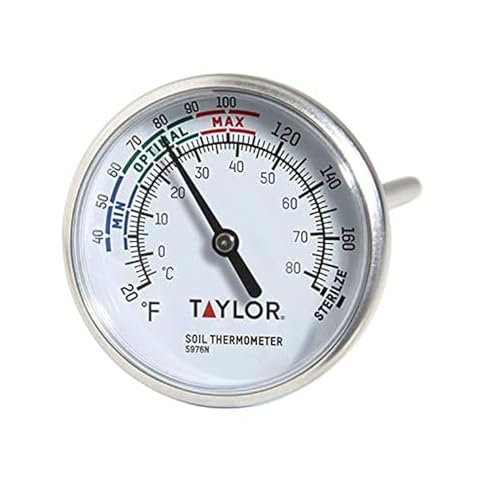
PRECISE SOIL TEMPERATURE READINGS: Measures soil temperatures from 20 degrees F to 180 degrees F (0 degrees C to 80 degrees C) with a large, easy-to-read analog dial face - no batteries or digital screens needed for reliable results every time

Easy-to-read green, yellow, and red tick marks for easy monitoring
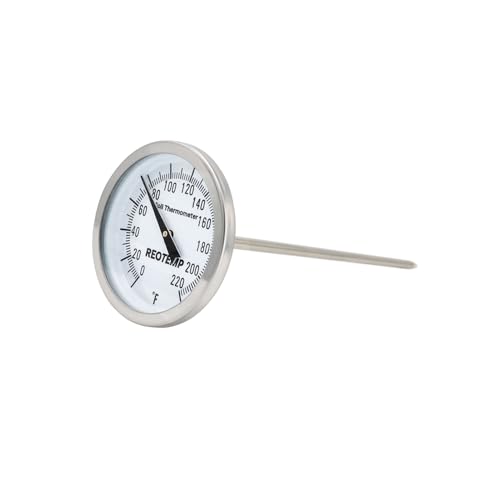
Corrosion Resistant 304 Stainless Steel Case, Bezel and 5" Stem
Soil Temperature Requirements
Plant cantaloupe seeds in soil that has warmed up to at least 70°F (21°C). Cold soil can delay germination or cause the seeds to rot. Use a soil thermometer to check the temperature before planting.
Sunlight and Water Needs
Cantaloupe plants require full sun, so choose a sunny spot with at least 6-8 hours of direct sunlight daily. Ensure proper drainage to prevent waterlogging, as soggy soil can lead to root rot. Water consistently, especially during dry spells, but avoid overwatering as it can harm the plants.
Planting Techniques for Maximum Yield
When planting cantaloupe seeds, the following techniques can help you achieve a bountiful harvest:
Recommended Products

Vegetable seeds variety pack: Grow 35 varieties of leafy greens, root vegetables, tomatoes, peppers, beans, peas, squash, melons, and more. Includes 16,000+ vegetable seeds for planting outdoors in raised beds, garden rows, or containers.

Graphene Seed Heat Mat for Faster Germination: Compared to traditional electric heating mats, our graphene heat mat heats up faster and more evenly, with a built-in timer for convenience. It creates the ideal environment for indoor seed starting trays, greenhouse seed germination, and hydroponic plant propagation. Designed for indoor gardening, this waterproof and reusable heat mat accelerates growth and improves seedling survival rates.
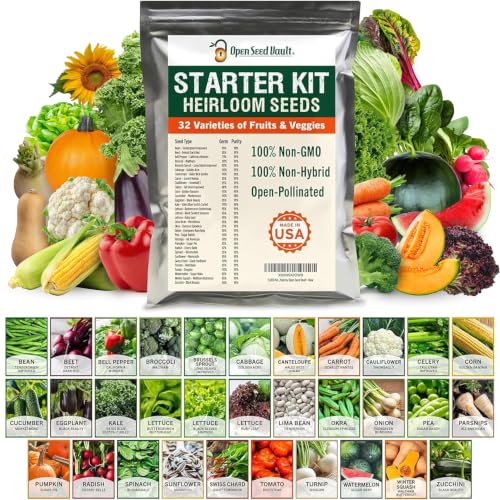
COMPLETE VEGETABLE GARDEN VARIETY PACK – Grow a thriving home garden with 32 popular vegetable seeds including Bean, Beet, Bell Pepper, Broccoli, Brussels Sprout, Cabbage, Cantaloupe, Carrot, Cauliflower, Celery, Corn, Cucumber, Eggplant, Kale, Lettuce (3 types), Lima Bean, Okra, Onion, Pea, Parsnip, Pumpkin, Radish, Spinach, Sunflower, Swiss Chard, Tomato, Turnip, Watermelon, Zucchini. A diverse mix perfect for fresh meals, backyard gardens, and sustainable growing.
Direct Sowing vs Starting Indoors
Consider whether to directly sow cantaloupe seeds into the garden soil or start them indoors. Direct sowing is simpler and reduces transplant shock, while starting indoors gives you a head start in colder climates. If starting indoors, use biodegradable pots to avoid disturbing the roots during transplanting.
Spacing and Depth Tips
For optimal growth, plant cantaloupe seeds 1 inch deep in well-draining soil with a spacing of 36-42 inches between each seed. Adequate spacing allows the plants to receive sufficient sunlight, air circulation, and nutrients for healthy development. Remember to water consistently but avoid overwatering to prevent root rot issues.
Care After Planting
After you’ve planted your cantaloupe seeds, it’s crucial to provide proper care to ensure healthy growth and a bountiful harvest. Here are some essential tips to help you maintain your cantaloupe plants:
Recommended Products
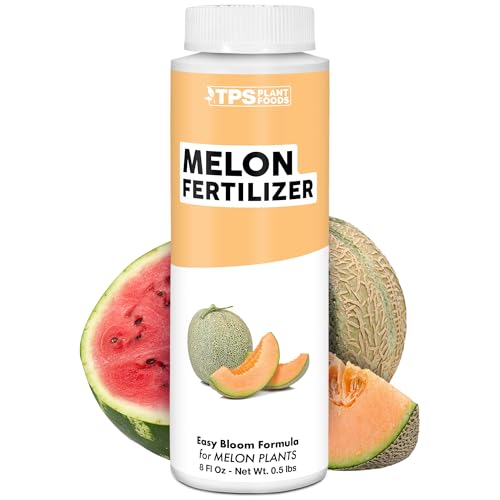
Helps Promote Vine Growth & Fruit Development – Supports strong vines and balanced fruiting.

CITRUS PLANT FOOD: This avacado, mango and citrus fruit tree fertilizer feeds plants for up to 3 months and nourishes above and below the soil
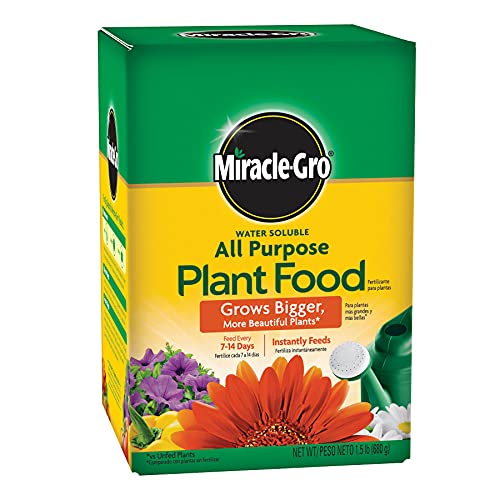
FEEDS ALL PLANTS: Miracle-Gro Water Soluble All Purpose Plant Food is a plant fertilizer that feeds all outdoor, in-ground and indoor plants, including roses, flowers, houseplants, vegetables, and trees
Weed Management
To keep your cantaloupe plants thriving, make sure to regularly check for weeds in the area. Weeds compete with your cantaloupes for nutrients and water, potentially stunting their growth. Remove any weeds promptly by hand or using a shallow hoe to prevent them from hindering the development of your cantaloupe vines.
Regular Watering and Fertilization Tips
Consistent watering is key to the success of your cantaloupe plants. Ensure that the soil remains evenly moist but not waterlogged. Deep watering once or twice a week is generally sufficient, depending on rainfall and soil drainage. Additionally, consider fertilizing your plants with a balanced fertilizer every two to three weeks during the growing season to provide essential nutrients for robust growth and fruit production.
Conclusion
You’ve learned the key steps for planting cantaloupe seeds successfully, from soil temperature considerations to spacing and watering needs. By understanding the importance of proper drainage and sun exposure, you’re on your way to growing healthy cantaloupes. Remember to manage weeds, maintain soil moisture levels, and fertilize regularly for optimal growth. With these insights, you’re well-equipped to start your cantaloupe planting journey confidently. Happy gardening!
Frequently Asked Questions
Q: What are the crucial factors to consider when planting cantaloupe seeds?
A: Essential factors include soil temperature, sun exposure, and proper drainage.
Q: What are the recommended planting techniques for cantaloupe seeds?
A: Direct sowing or starting indoors using biodegradable pots is advised.
Q: Why is spacing and planting depth important for cantaloupe plants?
A: Proper spacing and planting depth in well-draining soil promote healthy growth.
Q: How should one care for cantaloupe plants after planting?
A: Manage weeds, water consistently, and fertilize every two to three weeks during the growing season.
Q: How can I ensure optimal fruit production from my cantaloupe plants?
A: Maintain soil moisture levels, provide regular watering, and use a balanced fertilizer regularly.
