

Ever wondered if watermelon and cantaloupe can thrive side by side in your garden? Picture this: you’re planning your summer garden, envisioning the vibrant colors and juicy fruits that will soon fill your backyard. But as you consider planting watermelon and cantaloupe together, a question nags at you – can these two popular fruits coexist harmoniously in the same space?
In this article, we’ll explore the compatibility of planting watermelon and cantaloupe together. You’ll discover practical tips on maximizing your garden space while ensuring a bountiful harvest. By understanding the dynamics between these fruits, you’ll be equipped to create a thriving garden full of delicious produce for you and your loved ones to enjoy all summer long.
Key Takeaways
- Companion Planting Benefits: Understanding companion planting can enhance growth, deter pests, and increase yields when planting watermelon and cantaloupe together.
- Advantages of Planting Together: Benefits include pest control, space efficiency, and improved pollination for better fruit set.
- Challenges to Consider: Competitive growth and disease susceptibility are challenges that may arise when companion planting these fruits.
- Compatibility Factors: Watermelon and cantaloupe thrive in similar conditions but have distinct space requirements that should be considered for successful coexistence.
- Pollination Benefits: Close proximity enhances cross-pollination between watermelon and cantaloupe, resulting in better quality produce.
- Tips for Success: Proper soil preparation, watering practices, and pest management techniques are essential for successfully planting watermelon and cantaloupe together.
Understanding Companion Planting
Companion planting involves strategically placing different plants near each other to enhance growth, deter pests, and increase yields. When considering planting watermelon and cantaloupe together in your garden, understanding the principles of companion planting can significantly benefit your harvest.
Benefits of Planting Multiple Crops Together
Planting watermelon and cantaloupe together offers several advantages:
- Pest Control: Watermelon plants can repel cucumber beetles that may harm cantaloupe vines, while cantaloupe leaves act as a natural mulch to retain moisture for both plants.
- Space Efficiency: By intercropping watermelon with cantaloupe, you can optimize garden space as these fruits have compatible growth habits and root systems.
- Pollination: Both watermelon and cantaloupe benefit from cross-pollination when planted near each other, leading to better fruit set and improved yields.
Challenges in Companion Planting
While there are benefits to companion planting watermelon and cantaloupe together, some challenges may arise:
- Competitive Growth: Watermelon vines tend to spread vigorously, potentially overshadowing the smaller cantaloupe plants if not managed properly.
- Disease Susceptibility: Sharing close proximity can also make both plants more vulnerable to diseases that affect one another; therefore, regular monitoring is essential.
By being mindful of these factors and implementing appropriate gardening practices such as proper spacing, adequate watering, and vigilant pest control measures, you can successfully cultivate a thriving garden with bountiful watermelons and delicious cantaloupes side by side.
Can Watermelon and Cantaloupe Be Planted Together?
When considering planting watermelon and cantaloupe together, it’s essential to understand their compatibility. Here are some key factors to keep in mind:
Recommended Products

HEIRLOOM MELON SEED VARIETY PACK – Honey Rock and Hales Best cantaloupe (Cucumis melo var. cantalupensis), honeydew (C. melo var. inodorus), plus Yellow Petite, Tendersweet Orange, and Georgia Rattlesnake watermelon (Citrullus lanatus)
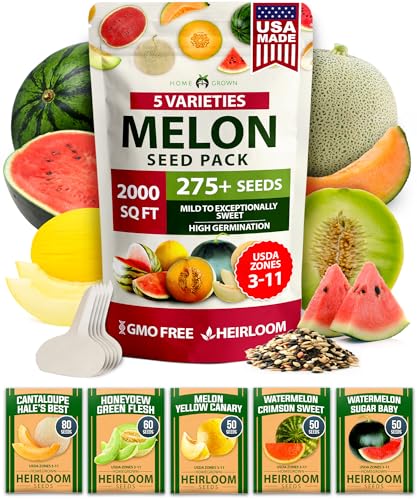
5 Sweet Melons — premium dessert varieties with rich, juicy flavor. High-quality seeds from the latest harvest deliver productive plants with attractive, great-tasting fruits. Selected for sweetness, shelf life, and transportability. Adaptable to different climates and soils, helping you grow a rewarding harvest and enjoy fresh, gourmet-quality melons from your own garden.

Diverse Melon Varieties: Includes 5 distinct melon varieties—Honey Dew, Charleston Grey, Hales Best Jumbo, Sugar Baby, and Black Diamond; perfect for a bountiful and flavorful garden
Similar Growing Conditions
Watermelon and cantaloupe thrive in similar growing conditions, making them suitable companions in the garden. Both fruits require warm temperatures, full sun exposure, well-draining soil, and adequate space for vine growth. By planting them together, you can optimize your garden space while providing the necessary environment for these fruits to flourish.
Space Requirements
While watermelon and cantaloupe have similar growing conditions, they do have distinct space requirements. Watermelons typically spread out more than cantaloupes, needing ample room for their vines to sprawl. On the other hand, cantaloupes have a more compact growth habit. When planting them together, ensure that you allocate enough space for each plant to prevent overcrowding and competition for resources.
By understanding the specific needs of watermelon and cantaloupe plants and providing appropriate care based on their requirements, you can successfully plant them together in your garden.
Advantages of Planting Watermelon and Cantaloupe Together
When planting watermelon and cantaloupe together, you can benefit from various advantages that enhance your garden’s productivity.
Recommended Products

Quality Material: Watermelon nets are made of strong nylon mesh material, drawstring design, reusable and not easy to break.

Package Includes:Contains 100pcs reusable watermelon nets,sufficient quantity for meeting your garden and planting needs

【Provides Protection for melon 】:Lift your watermelons, cantaloupes, small pumpkins, and other melons off damp ground for a cleaner, and moisture buildup after rain. Melon trellis Improved airflow around the plant helps support cleaner fruit and healthier watermelon, pumpkins, cantaloupes growth throughout the growing season
Pollination Benefits
Watermelon and cantaloupe are both bee-pollinated fruits. By planting them in close proximity, you increase the chances of successful cross-pollination. This results in better fruit set and improved quality of the harvested produce.
Pest Management
Intercropping watermelon with cantaloupe can help in natural pest control. These two fruits have different pests they attract, thereby reducing the overall pest pressure on each crop. For example, planting marigolds alongside can act as a natural insect repellent for both plants, further aiding in pest management.
Tips for Successful Companion Planting
When planting watermelon and cantaloupe together, follow these essential tips for a successful garden.
Recommended Products
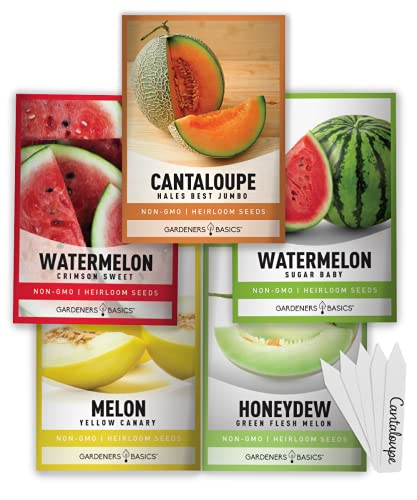
Five melon varieties: Grow cantaloupe, honeydew, canary melon and two kinds of watermelon. This assortment offers different colors and flavors for fresh summer fruit from your garden.

Sugar Baby watermelons are small, sweet, and juicy

Sweet Personal Melons: Sugar Baby watermelon seeds produce 6–10 lb fruits about 6–8 inches across, with juicy red flesh and high sugar fresh fruit, giving fresh watermelon taste ideal as non gmo fruit snacks.
Soil Preparation
Ensure your soil is well-draining and rich in nutrients. Mix compost or aged manure into the soil before planting to provide the necessary organic matter for healthy growth. Aim for a slightly acidic soil pH level between 6.0 and 6.8 to promote optimal nutrient uptake by your plants.
Watering Needs
Both watermelon and cantaloupe require consistent watering, especially during hot summer months when they are actively growing and fruiting. Keep the soil consistently moist but not waterlogged to prevent root rot. Mulching around the base of the plants can help retain moisture in the soil and reduce evaporation, ensuring your plants receive adequate hydration throughout the growing season.
Conclusion
You’ve learned about the advantages of planting watermelon and cantaloupe together in your garden. By utilizing companion planting, you can enhance pest control, maximize space, and promote better pollination. Remember to prioritize soil quality by ensuring it’s well-draining and nutrient-rich with a slightly acidic pH level. Consistent watering is key to prevent root rot, while using mulch helps retain moisture for optimal growth. With these insights and care practices, you’re equipped to successfully cultivate a thriving garden with both watermelons and cantaloupes side by side. Happy gardening!
Frequently Asked Questions
Can watermelon and cantaloupe be grown together in a garden?
Yes, watermelon and cantaloupe can be grown together in a garden. They make excellent companions as they have similar growing requirements and benefit from each other’s presence.
What are the benefits of companion planting watermelon and cantaloupe?
Companion planting watermelon and cantaloupe can help with pest control, space efficiency, and improved pollination due to intercropping these fruits.
How can I ensure successful companion planting of watermelon and cantaloupe?
To ensure successful companion planting, make sure to provide well-draining, nutrient-rich soil with slightly acidic pH levels. Consistent watering is crucial to prevent root rot, while using mulch helps retain moisture for optimal growth.
