

Do you dream of enjoying sweet, juicy cantaloupe grown right in your own home, but lack a spacious garden? Picture this: You, tending to vibrant cantaloupe plants flourishing in pots on your sunny balcony or patio. Imagine the satisfaction of harvesting your own fresh melons, all from the convenience of a container garden.
In this article, we’ll explore the exciting possibility of growing cantaloupe in pots. You’ll discover practical tips and tricks to successfully cultivate these delicious fruits even with limited space. From selecting the right containers to nurturing your plants with care, we’ve got you covered. Get ready to embark on a rewarding journey towards homegrown cantaloupes that will elevate your gardening experience.
Key Takeaways
- Cantaloupes can be successfully grown in pots with proper care and attention to specific requirements like climate, sunlight, soil quality, and fertilization.
- Choosing the right pot size (minimum 5 gallons) with good drainage is crucial for healthy root development and plant growth.
- Planting cantaloupe seeds at the right depth in a warm, sunny location and transplanting seedlings into larger containers promote successful cultivation.
- Consistent watering practices, pest inspection, and disease management are essential for maintaining healthy potted cantaloupe plants.
- Harvest ripe cantaloupes by observing color changes, texture, smell indicators, using pruning shears for cutting, picking early morning for better flavor, leaving a stem attached, and checking the bottom color.
Understanding Cantaloupe Requirements
To successfully grow cantaloupes in pots, it’s essential to understand the specific requirements of these plants. Here’s what you need to know:
Climate and Sunlight Needs
Cantaloupes thrive in warm climates with plenty of sunlight. Ensure your potted plants receive at least 6-8 hours of direct sunlight daily. If you’re in a cooler region, consider using a heat lamp or placing the pots in a sunny indoor spot.
Soil and Fertilization Requirements
Choose well-draining soil for your cantaloupe pots to prevent waterlogging, which can harm the plants. A mix of potting soil and compost works well. Additionally, fertilize your cantaloupes regularly with a balanced fertilizer to promote healthy growth and fruit development.
By meeting these basic requirements, you’ll set the stage for successful cantaloupe cultivation in containers.
Choosing the Right Pot for Cantaloupe
When selecting a pot for your cantaloupe plant, consider the following factors to ensure optimal growth and productivity.
Recommended Products

What You Receive: One set contains 25 packs nursery pots for plants. These plant pots for plants, suitable for both indoor and outdoor use, cater to a wide range of plant species, including succulents, flowers, herbs, and various potted plants.

300G THICKENED FABRIC, BUILT FOR MULTIPLE SEASONS — 300 g/m² non-woven fabric (vs. 200 g/m² or thinner on entry-level bags), so the walls hold their shape when filled and resist tearing at the seams. Each empty bag weighs 4 oz — 16 oz for the 4-pack. Fold flat and store indoors over winter and they are built to be replanted season after season 3.

Garden Plant Pots:You can get 6 packs of 5 gallon pots, with dimensions of 11.8 inches at the top, 8.9 inches at the bottom, and a height of 10.2 inches.
Size and Material Considerations
Opt for a large container with a minimum volume of 5 gallons. A larger pot allows ample space for root development, essential for healthy plant growth. Additionally, choose a sturdy material like plastic or ceramic that can withstand outdoor conditions and provide insulation to regulate soil temperature.
Drainage Importance
Ensure the pot has adequate drainage holes at the bottom to prevent waterlogging, which can lead to root rot. Proper drainage is crucial for maintaining the right moisture levels in the soil and promoting healthy root systems. Remember, good drainage is key to successful cantaloupe cultivation in pots.
Planting Cantaloupe in Pots
When planting cantaloupe in pots, you can enjoy the satisfaction of growing your own fruit even with limited space. Below are essential tips for successful cultivation.
Recommended Products

NUTRIENT-RICH, NATURAL, AND ORGANIC SOIL: Grow a bountiful garden in your home with the Back to the Roots All-Purpose Natural and Organic Peat-Free 3-in-1 Seed Starting Mix, packed with the nutrients needed for your plants, flowers, and vegetables to thrive

This natural and organic seed starting soil mix is enhanced with peat moss, vermiculite and lime

Adjustable Vents: The seed trays have adjustable vents that allow you to regulate the temperature and humidity of your seedling environment for total control over the growing process.
Seed Selection and Germination
To start, choose high-quality cantaloupe seeds from a reputable supplier. Opt for varieties suited to container growth, such as “Minnesota Midget” or “Sweet ‘n Early.”
For germination, plant the seeds about 1 inch deep in a seed-starting mix. Ensure the soil is consistently moist but not waterlogged. Place the pots in a warm location with plenty of sunlight – around 70-85°F (21-29°C) – to aid germination.
Transplanting Seedlings
Once your seedlings have developed their first true leaves, it’s time to transplant them into larger containers. Select pots that are at least 12-18 inches deep with ample drainage holes.
Carefully remove the seedlings from their original containers and place them into the prepared pots. Gently firm the soil around each plant and water thoroughly.
Daily Care for Potted Cantaloupe
Caring for your potted cantaloupe is essential to ensure healthy growth and a bountiful harvest. Here are some key tips to help you maintain your plants effectively.
Recommended Products
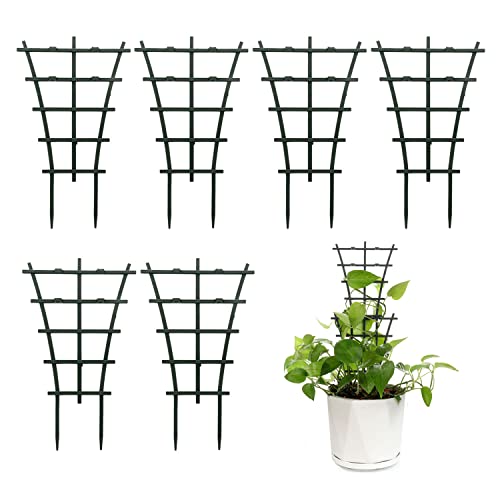
【Upgarded New Version】Our plant trellis is upgraded with high quality new material, increase the weight by 31%, reinforced to be more sturdier, providing stronger support for your potted plants

[Taller Size & Stackable Design] Qaobo plant trellis offers a superior height advantage. A single unit stands at 14.17 inches, and the innovative stackable feature allows you to connect two for an impressive 22.44-inch height. This versatile design is perfect as a small trellis for potted plants or a tall garden trellis for climbing plants, adapting to your plant's growth from a juvenile to a mature stage

【Versatile Support】This honeycomb plant trellis indoor is perfect for a variety of climbing plants, including vines, flowers, and vegetables. Its versatile design allows garden trellis to be used both indoors and outdoors, providing essential support for your plants to grow
Watering Techniques
When it comes to watering your potted cantaloupe, consistency is key. You should aim to keep the soil consistently moist but not waterlogged. A good practice is to water deeply when the top inch of soil feels dry to the touch. Ensure that your pot has proper drainage holes to prevent water from accumulating at the bottom, which can lead to root rot.
Pest and Disease Management
To protect your potted cantaloupe from pests and diseases, regularly inspect your plants for any signs of trouble. Common pests that may affect cantaloupes include aphids, spider mites, and cucumber beetles. You can use insecticidal soap or neem oil as organic solutions to control these pests. Additionally, practicing crop rotation and maintaining good air circulation around your plants can help prevent disease outbreaks.
By following these watering techniques and implementing pest and disease management strategies, you can promote the health and productivity of your potted cantaloupe plants.
Harvesting Cantaloupe Grown in Pots
When it comes to harvesting cantaloupe that you’ve successfully grown in pots, there are a few key things to keep in mind. Here’s how you can ensure your fruits are perfectly ripe and ready for picking.
Identifying Ripeness
To determine if your cantaloupe is ready for harvest, look for these signs:
- Color: The skin between the netting should change from green to beige or yellow.
- Texture: Press gently on the blossom end; if it gives slightly and has a sweet aroma, it’s likely ripe.
- Smell: A fragrant, sweet scent near the stem indicates ripeness.
Best Practices for Harvesting
Follow these best practices when harvesting cantaloupe:
- Use Pruning Shears: Cut the fruit from the vine using clean pruning shears to avoid damaging the plant.
- Harvest Early Morning: Pick cantaloupes early in the morning when temperatures are cooler for better flavor.
- Leave Stem Attached: Keep a small portion of the stem attached to prolong shelf life.
- Check Bottom Color: Ensure the bottom (blossom end) is cream-colored or golden for optimal sweetness.
Conclusion
Growing cantaloupe in pots can be a rewarding experience that allows you to enjoy fresh, homegrown fruit even in limited spaces. By following the guidelines for container selection, plant care, and harvesting techniques outlined in this article, you can successfully cultivate delicious cantaloupes right on your patio or balcony. Remember to provide your potted plants with the necessary sunlight, well-draining soil, and regular maintenance to ensure healthy growth and abundant harvests. With a little effort and attention to detail, you’ll soon be relishing the sweet taste of freshly picked cantaloupes grown in your own container garden. Happy gardening!
Frequently Asked Questions
Can I grow cantaloupe in pots?
Yes, you can grow cantaloupe in pots as long as they are large enough (at least 5 gallons), have good drainage holes, and receive plenty of sunlight.
How do I care for potted cantaloupe plants daily?
Water the plants regularly to keep the soil moist but not waterlogged. Use insecticidal soap or neem oil for pest control and ensure good air circulation around the plant.
When is the right time to harvest potted cantaloupe?
Harvest cantaloupe when they are fully ripe by checking for a sweet aroma, golden color under the netting, and a slight softness at the blossom end. Cut them off with pruning shears leaving a bit of stem attached.
