

Growing avocado trees in Alabama is feasible with the right techniques tailored for southern climates. Proper selection of varieties and understanding local conditions can lead to fruitful harvests and healthy trees.
Best Avocado Varieties for Alabama Climate
Choosing the correct avocado variety is crucial for success in Alabama’s climate. The Hass and Bacon varieties are popular choices due to their adaptability to warmer temperatures. These varieties thrive in zones 8 to 11, making them suitable for most of Alabama.
Consider the following factors when selecting your avocado variety:
Climate adaptability: Ensure the variety can withstand local temperatures.
Fruit quality: Look for varieties known for flavor and texture.
Harvest season: Different varieties produce fruit at various times.
| Variety | Climate Zone | Fruit Quality | Harvest Season |
|---|---|---|---|
| Hass | 8-11 | High | Late summer |
| Bacon | 8-11 | Medium | Early winter |
| Fuerte | 9-11 | High | Late fall |
Recommended Products

Cold-Hardy Avocado Variety
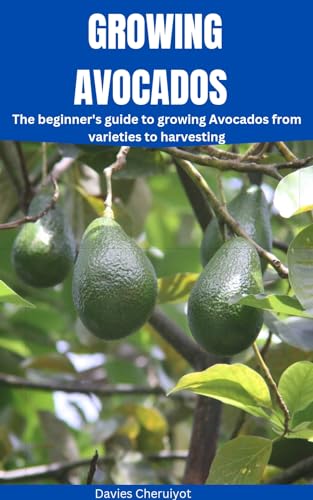

🥑 ENGINEERED FOR STRONG TREES & CREAMY FRUIT – Gardenera LIQUID POWER Avocado Fertilizer is specifically designed to meet the needs of avocado trees—enhancing canopy strength, root depth, flowering, and fruit set for all varieties including Hass, Fuerte, and Bacon.
Soil Preparation Techniques for Avocado Trees
Proper soil preparation is crucial for the successful growth of avocado trees in Alabama’s unique southern climate. Understanding the specific soil requirements and employing effective techniques can significantly enhance the health and productivity of these trees. This section explores essential practices to create an ideal foundation for thriving avocado plants.
Soil preparation is essential for healthy avocado trees. Well-draining soil is vital to prevent root rot, a common issue in overly saturated conditions. Conduct a soil test to determine pH and nutrient levels before planting.
Follow these steps for optimal soil preparation:
Test the soil: Use a home testing kit to check pH levels.
Amend the soil: Add organic matter like compost to improve drainage.
Create mounds: Plant trees on raised beds to enhance drainage.
Soil pH Levels for Avocado Growth
Understanding the optimal soil pH levels is crucial for successfully growing avocado trees in Alabama’s unique southern climate. This section delves into the ideal pH range for avocado cultivation and offers insights on how to test and amend soil to promote healthy growth and fruit production. Proper soil management can significantly enhance the success of your avocado gardening efforts.
Maintaining the right soil pH is critical for nutrient uptake. Avocado trees prefer a pH between 6.0 and 7.0. Regularly check and amend the soil to maintain optimal conditions.
Add lime to increase pH if the soil is too acidic.
Incorporate sulfur to lower pH in alkaline soils.
Watering Strategies for Alabama Avocado Trees
Proper watering is crucial for the successful growth of avocado trees in Alabama’s unique southern climate. Understanding the specific moisture needs of these trees can help prevent common issues such as root rot or drought stress. This section explores effective watering strategies tailored to ensure your avocado trees thrive in Alabama’s conditions.
Watering is a vital aspect of growing avocado trees. Overwatering can lead to root rot, while underwatering can stress the tree. Establish a consistent watering schedule based on the tree’s age and local rainfall.
Consider these watering guidelines:
Newly planted trees: Water every 2-3 days for the first month.
Established trees: Water once a week during dry spells.
Mulch application: Use organic mulch to retain moisture and regulate soil temperature.
Efficient Irrigation for Avocado Trees
Efficient irrigation is crucial for cultivating healthy avocado trees in Alabama’s unique southern climate. Given the region’s variable rainfall and humidity, understanding the best practices for watering can significantly impact tree growth and fruit production. This section explores effective irrigation strategies tailored to ensure optimal moisture levels for avocado trees.
Implementing an efficient irrigation system can save time and resources. Drip irrigation is an effective method for delivering water directly to the roots.
Install drip lines to ensure even moisture distribution.
Use timers to automate watering schedules.
Managing Pests on Avocado Trees
Successfully growing avocado trees in Alabama requires vigilance against pests that can threaten their health and productivity. Understanding common pests and implementing effective management strategies is essential for maintaining robust trees in the unique southern climate. This section will explore practical approaches to pest control, ensuring your avocado trees thrive in Alabama’s environment.
Pests can threaten the health of avocado trees. Common pests include aphids, spider mites, and scale insects. Regular monitoring and preventive measures can help manage these threats.
Take these steps to protect your trees:
Inspect regularly for signs of pests.
Use insecticidal soap for minor infestations.
Encourage beneficial insects like ladybugs to control pest populations.
Recommended Products
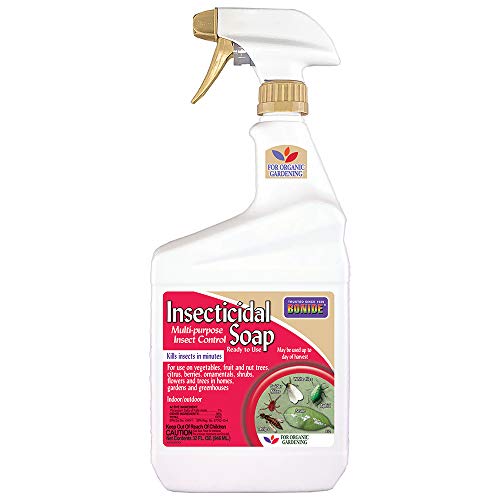
Captain Jack's Insecticidal Super Soap controls species of adelgid, ant, aphid, borer, caterpillar, spider mite, cricket, chinch bug, weevil, fly, thrip, and more

Insecticidal Super Soap controls species of adelgid, ant, aphid, borer, caterpillar, spider mite, cricket, chinch bug, weevil, fly, thrip, and more

Avocado Tree Disease Prevention Strategies
Maintaining the health of avocado trees in Alabama requires vigilance against various diseases that can threaten their growth and productivity. Understanding common ailments and implementing effective prevention strategies is essential for successful cultivation in southern climates. This section outlines key practices to safeguard your avocado trees from potential diseases.
Diseases such as root rot and powdery mildew can impact avocado trees. Implementing preventive measures can minimize risks.
Ensure proper drainage to prevent root rot.
Prune affected areas to improve air circulation and reduce humidity.
Optimal Timing for Avocado Harvesting
Understanding the optimal timing for harvesting avocado trees is crucial for ensuring the best flavor and quality of the fruit. In Alabama’s unique southern climate, factors such as temperature and humidity play significant roles in determining when avocados reach their peak ripeness. This section will explore the key indicators and best practices for successful harvesting in this region.
Harvesting avocado fruit at the right time ensures optimal flavor and quality. Avocados do not ripen on the tree, so timing is crucial.
Follow these guidelines for successful harvesting:
Check firmness: Harvest when the fruit feels slightly soft.
Use pruning shears: Cut the fruit from the stem to avoid damage.
Store properly: Keep harvested avocados at room temperature until ripe.
Post-Harvest Storage Techniques for Avocados
Proper post-harvest storage techniques are essential for maintaining the quality and flavor of avocados, especially in Alabama’s unique climate. Understanding the best practices for storing avocados can significantly extend their shelf life and ensure that consumers enjoy the fruit at its peak ripeness. This section will explore effective methods tailored for southern conditions.
After harvesting, proper care can extend the shelf life of avocados. Store them in a cool, dry place.
Refrigerate ripe avocados to slow down the ripening process.
Avoid stacking to prevent bruising.
Essential Tips for Successful Avocado Cultivation
Growing avocado trees in Alabama presents unique challenges due to the region’s climate and soil conditions. To ensure a fruitful harvest, it’s crucial to understand the specific requirements for successful cultivation. The following tips will guide you through the essential practices needed to thrive in Southern climates.
Growing avocado trees in Alabama requires careful planning and ongoing maintenance. Selecting the right variety, preparing the soil, and managing pests and diseases are essential for success.
Monitor your trees consistently and adjust care practices as needed to ensure a bountiful harvest.
