

Have you ever looked at your apple tree and wondered why it didn’t bear any fruit this year? You’re not alone. Many gardeners face this frustrating situation, especially after putting in all the effort to nurture their trees.
Understanding the reasons behind a fruitless season can help you make the necessary adjustments for next year. This article will explore common factors that could be affecting your apple tree’s productivity, from environmental conditions to care practices. By the end, you’ll have the insights you need to encourage a bountiful harvest in the future.
Key Takeaways
- Tree Age Matters: Apple trees typically take 3 to 6 years to bear fruit. Young trees require patience as they mature.
- Pollination is Key: Most apple trees need cross-pollination from different varieties. Having multiple trees nearby can enhance fruit production.
- Proper Pruning Techniques: Regular pruning during the dormant season improves air circulation and sunlight exposure, which are critical for fruiting.
- Nutrient Management: Ensure your apple tree receives essential nutrients, especially nitrogen. Conduct soil tests and apply appropriate fertilizers as needed.
- Weather Impact: Monitor local weather conditions, as late spring frosts, drought, and excessive rainfall can significantly affect yield.
- Sunlight and Water: Apple trees thrive with 6-8 hours of sunlight daily and require about 1 inch of water weekly to support healthy growth and fruit development.
Understanding Apple Tree Fruit Production
Apple trees can face several challenges that prevent them from producing fruit. Understanding these challenges helps you identify solutions that can lead to a more fruitful season in the future.
Common Reasons for Lack of Fruit
- Age of the Tree: Young trees might not bear fruit until they’re 3 to 6 years old. Patience is crucial during this period.
- Pollination Issues: Apple trees often require pollination from another variety. If you have only one tree or the nearby trees aren’t compatible, you might see fewer apples.
- Poor Pruning Practices: Improper pruning can affect fruit production. Always prune during the dormant season to encourage healthy growth and fruiting.
- Nutrient Deficiency: A lack of essential nutrients, especially nitrogen, can hinder fruit production. Regularly test your soil and amend it as needed.
- Pest Infestation: Pests like coddling moths can damage flowers and fruit. Monitor your trees and manage any infestations promptly.
- Temperature Extremes: Late spring frosts can damage blossoms. Protect your trees during cold snaps to prevent loss of fruit.
- Water Availability: Both drought and overwatering can stress trees. Water consistently, ensuring that the soil remains moist but not waterlogged.
- Sunlight Exposure: Apple trees thrive in full sun. Aim for at least 6 to 8 hours of sunlight daily for optimal fruit production.
- Wind Exposure: Strong winds can damage flowers and young apples. Plant windbreaks if your area experiences high winds regularly.
- Soil Conditions: Well-draining soil promotes healthy root growth. Adjust pH levels and improve drainage to support your tree’s needs.
By monitoring these factors and adjusting your care accordingly, you can improve your chances of enjoying a bountiful apple crop.
Tree Health and Maintenance
Maintaining the health of your apple tree is essential for fruit production. Proper care can significantly affect your tree’s ability to bear fruit.
Recommended Products
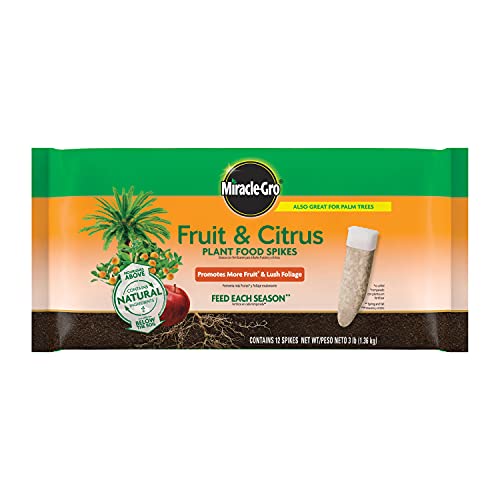
FORMULATED FOR CITRUS AND FRUIT TREES: Use these citrus fertilizer spikes on apple, orange, lemon, lime, and avocado trees; this formula is also great for feeding palm trees

Made for Apple Trees – Formulated to support healthy growth in apple and fruit-bearing trees.

Quick, at home results for Soil pH, Nitrogen, Phosphorous and Potash Innovative and inexpensive soil test kit features an easy-to-use capsule system and patented color comparators
Importance of Proper Pruning
Pruning controls the size and shape of your apple tree, promoting healthy growth. You should prune during the dormant season, ideally in late winter or early spring, before new growth starts. Focus on removing dead or crowded branches. This practice improves air circulation and sunlight exposure, both of which are vital for fruit production. Regular pruning also encourages the growth of fruitful spur branches, increasing your chances for a bountiful harvest.
Nutrient Requirements for Apple Trees
Apple trees require specific nutrients for optimal growth and fruiting. Nitrogen supports leaf development, phosphorus encourages root and flower growth, and potassium promotes fruit quality. Conduct a soil test to determine nutrient levels. Based on the results, apply a balanced fertilizer tailored for fruit trees in early spring. Regularly monitor your tree’s health; if leaves show signs of yellowing or stunted growth, consider adjusting your nutrient strategy. Applying organic compost can also enhance soil nutrients over time.
Pollination and Fertilization
Pollination is essential for apple trees to produce fruit. Without effective pollination, your apple tree may fail to bear fruit even with proper care. Understanding pollinators and fertilization methods can help improve your harvest.
Recommended Products

Fragrant Flowers: Bloom blossoms that provide precious nectar for pollinators like bees, creating your own romantic orchard with heavy fruit and rich flavor

Grow Your Own Famous Honey Crisp Apples - Cultivate the world's most popular apple variety right in your backyard! Experience the perfect sweet-tart crunch and explosive juiciness that made Honey Crisp apples a global sensation - fresh from your own tree.

Golden Delicious Apple Tree: It is a beautiful, fruit-bearing plant! Imagine the joy of watching this deciduous beauty transform through the seasons, from delicate pink blossoms in the spring to lush, green foliage in the summer.
Role of Pollinators in Fruit Development
Pollinators play a crucial role in transferring pollen from flower to flower. Bees, butterflies, and other insects help fertilize apple blossoms. If your garden lacks pollinators, consider planting flowers nearby to attract them. Common pollinators include:
- Honeybees
- Bumblebees
- Mason bees
- Butterflies
Planting a variety of flowers can enhance pollinator activity. Additionally, avoid using pesticides during bloom time to protect these vital insects.
The Impact of Insufficient Pollination
Insufficient pollination results in fewer or no apples on your tree. Apple trees are often not self-pollinating; they require pollen from another tree. Factors contributing to poor pollination include:
- Lack of nearby apple trees
- Inclement weather during flowering, like heavy rain or strong winds
- Low pollinator activity
To improve pollination, plant at least two compatible apple tree varieties close to each other. This practice increases the chances of successful cross-pollination and a fruitful harvest.
Seasonal Considerations
Understanding seasonal factors is critical when determining why your apple tree didn’t bear fruit this year. Various elements like weather patterns, tree age, and other seasonal influences can significantly impact fruit production.
Effects of Weather on Apple Trees
Weather conditions play a vital role in the fruiting process of apple trees. Temperature extremes can hinder flower development and pollination.
- Frost: Late spring frosts can damage blossoms, leading to diminished fruit sets. For example, temperatures below 28°F can harm blooms.
- Drought: Insufficient water affects tree health and fruit development. Apple trees typically require at least 1 inch of water per week, especially during the growing season.
- Rainfall: Excessive rain can promote fungal diseases, like apple scab, which can weaken trees and reduce fruit yield.
- Sunlight: Apple trees thrive in full sun, requiring a minimum of 6-8 hours of direct sunlight daily for optimal growth.
Monitoring your local weather patterns throughout the growing season aids in understanding the potential impacts on your trees.
Impact of Tree Age on Fruiting
Tree age significantly influences fruit production. Young trees typically need several years to bear fruit, while older trees may develop different challenges.
- Young Trees: Newly planted apple trees may take 3-5 years before producing fruit. Patience during this initial growth phase is essential.
- Mature Trees: Once your tree matures, it may require careful maintenance. Trees older than 10-15 years risk declining fruit production due to factors like nutrient depletion or disease.
- Old Trees: Apple trees over 20 years old may produce sporadic crops. Regular pruning and fertilization can help rejuvenate them.
Understanding the relationship between tree age and fruit production allows you to tailor your care practices to enhance yields effectively.
Conclusion
Not seeing fruit on your apple tree can be disheartening but remember that it’s a common challenge for many gardeners. By paying attention to the various factors we’ve discussed you can make adjustments that may lead to a better harvest next year.
Focus on your tree’s health and ensure it’s getting the right care. Keep an eye on pollination needs and environmental conditions. With a little patience and the right strategies you’ll be on your way to enjoying delicious apples from your own tree. Happy gardening!
Frequently Asked Questions
Why is my apple tree not producing fruit?
There are several reasons your apple tree may not be bearing fruit, including age, lack of proper pollination, and environmental factors. Young trees often need time to mature, while poor pollination can occur if there aren’t enough compatible trees nearby.
How can I improve pollination for my apple trees?
To enhance pollination, plant at least two compatible apple tree varieties within proximity. Avoid using pesticides during blooming season and attract pollinators by adding a variety of flowers to your garden.
What role do nutrients play in apple tree health?
Nutrients such as nitrogen, phosphorus, and potassium are essential for the healthy growth of apple trees. Conducting soil tests can guide you in applying balanced fertilizers and organic compost for optimal results.
How does pruning affect apple fruit production?
Proper pruning during the dormant season promotes healthy growth, improves air circulation, and allows for better sunlight exposure. Neglecting pruning can lead to poor fruit production due to overcrowding and lack of proper energy distribution.
What environmental conditions can affect apple trees?
Apple trees can be sensitive to extreme temperatures, drought, excessive rainfall, and insufficient sunlight. Monitoring these factors can help you adjust care practices to support healthy growth and fruit production.
How does tree age influence fruit bearing?
Young apple trees usually take several years to produce fruit, while older trees may struggle with nutrient depletion and diseases. Regular maintenance and monitoring can help optimize fruit production across different tree ages.
What pests should I be aware of?
Pest infestations can severely impact apple production. Common pests include aphids, spider mites, and apple maggots. Regular inspections and integrated pest management strategies can help keep these pests at bay.
