

Are you dreaming of a backyard filled with thriving fruit trees? You’re not alone! Many gardeners face the challenge of figuring out how far apart to plant these beauties. If trees are too close, they’ll compete for nutrients and sunlight, leading to poor growth and disappointing harvests.
Key Takeaways
- Proper spacing of fruit trees is essential for their health, growth, and productivity; trees that are too close will compete for resources, hindering their development.
- Factors such as tree species, root systems, growth habits, and soil quality should be considered when determining the space needed between trees.
- Dwarf fruit trees require 6-10 feet of spacing, semi-dwarf trees need 10-15 feet, and standard trees typically need 15-20 feet apart; pecan trees require 30-40 feet due to their size.
- Using layout techniques like grid, triangular, or staggered rows can optimize space, enhance air circulation, and improve light access for each tree.
- Avoid common mistakes such as overcrowding and neglecting growth patterns to ensure trees thrive without competition or health issues.
- Plan garden layouts carefully, considering tree growth over time, to prevent future overcrowding and maintenance difficulties.
Understanding Fruit Tree Spacing
Spacing your fruit trees correctly is crucial for their health and productivity. Proper spacing allows each tree to thrive without excessive competition for resources.
Recommended Products

ACCURATE TREE HEIGHT MEASUREMENT – Forestry Suppliers Tangent Height Gauge helps quickly measure tree heights using a simple tangent method ideal for forestry, surveying, and educational fieldwork
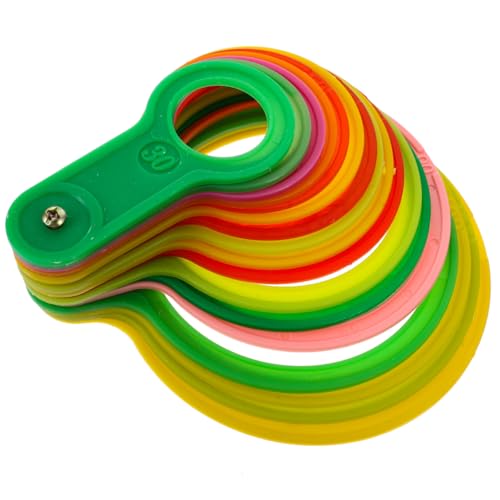
Diameter : This fruit measuring caliper set helps measure fruit diameter quickly so you can classify oranges, citrus, lemons, and peaches into consistent grades for packing, display, or harvest checks with less guesswork

Package contains 6 organic fruit and citrus fertilizer spikes and is produced to avoid wasteful runoff, mess, hazards and smells
Importance of Proper Spacing
Proper spacing prevents overcrowding, ensuring each tree gets enough sunlight, nutrients, and airflow. Trees planted too closely risk stunted growth due to competition. For example, apple trees require approximately 15-20 feet of space between them, allowing them to reach their full potential. Adequate spacing also reduces the spread of diseases, as good air circulation helps keep leaves dry and minimizes fungal infections.
Factors Influencing Spacing Decisions
When deciding on spacing, several factors come into play:
- Tree Species: Different species have varying space requirements. For instance, dwarf fruit trees need about 6-10 feet apart, while standard varieties need more space.
- Root Systems: Consider the root spread of the trees. Deep-rooted trees like pecans require more room, while shallow-rooted varieties like figs can be closer together.
- Growth Habit: Take into account whether the tree grows upright or spreads out. Trees that grow wide, such as peach trees, need more distance than columnar varieties.
- Soil Conditions: Soil quality affects tree performance. In poor soil, increase spacing to reduce competition as weak roots can limit growth.
- Pruning Practices: If you plan on pruning, understand that regular maintenance can influence how much space each tree will ultimately need.
By considering these factors, you can make informed decisions about spacing that promote healthy growth and maximize your harvest.
General Guidelines for Spacing
Spacing fruit trees correctly promotes their health and productivity. Adequate distance ensures that each tree gets enough sunlight, nutrients, and airflow.
Space Requirements for Different Types of Trees
Understand the space needs for various fruit tree types:
- Dwarf Trees: Require 6-10 feet apart. They adapt well to smaller gardens while still producing healthy fruit.
- Semi-Dwarf Trees: Need 10-15 feet apart. They offer a balance of manageable size and good yields.
- Standard Trees: Demand 15-20 feet apart. These larger varieties benefit from ample room for their expansive root systems and canopy.
- Pecan Trees: Need 30-40 feet apart due to their extensive height and spread. Proper distance reduces competition for resources.
Adjust spacing according to your local climate, soil conditions, and expected root growth.
Common Spacing Techniques
Employ specific techniques for optimal spacing:
- Grid Layout: Position trees in a grid pattern for even spacing. This method simplifies maintenance and harvesting.
- Triangular Layout: Arrange trees in a triangular pattern, which allows for more trees in a smaller area. This technique works well for closely spaced varieties.
- Staggered Rows: Use staggered rows for increased light and air circulation. Trees within a row shouldn’t interfere with those in adjacent rows.
Remember to account for tree growth over time. Plan for mature sizes instead of initial planting sizes to avoid overcrowding. Proper planning leads to healthier trees and better harvests.
Practical Steps for Spacing Fruit Trees
Proper spacing ensures healthy growth and fruitful harvests. Follow these practical steps to space your fruit trees effectively.
Recommended Products
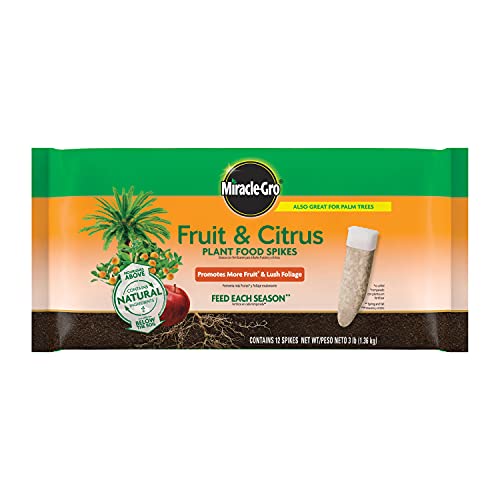
FORMULATED FOR CITRUS AND FRUIT TREES: Use these citrus fertilizer spikes on apple, orange, lemon, lime, and avocado trees; this formula is also great for feeding palm trees

Protect Young Trees from Bad Weather: Tree stake kits are typically used when planting young trees, particularly those with small or shallow root systems, in order to provide support and promote healthy growth. Young trees are more susceptible to wind damage than mature trees, FCENDS tree stake kit can help to support the tree and prevent it from leaning or tipping over in high winds.

FORMULATED FOR CITRUS AND FRUIT TREES: Use these citrus fertilizer spikes on apple, orange, lemon, lime, and avocado trees; this formula is also great for feeding palm trees
Assessing Your Garden Size
Evaluate your garden’s dimensions first. Measure the length and width of the planting area. Consider existing structures, pathways, and other plants’ locations. For optimal results, you should have enough space to accommodate the mature size of your fruit trees. Keep in mind that larger trees need more room than smaller varieties. For instance, if you plan to plant several standard apple trees, a minimum of 15-20 feet between each tree allows ample growth.
Layout Planning
Design an effective layout based on your garden size.
- Choose a Spacing Method: Select a spacing layout. Grid layouts provide uniformity, while triangular arrangements maximize density. Staggered rows improve air circulation and light access.
- Mark Positions: Use stakes or garden markers to indicate tree positions. This visual representation helps prevent overcrowding during planting. Ensure markers reflect the distance recommended for the specific tree species you’re planting.
- Consider Growth Patterns: Acknowledge each tree’s growth habit. For example, a peach tree may spread wider than a fig tree. Incorporate this into your layout to avoid future growth issues.
- Plan for Access: Ensure enough space for you to tend to each tree. Walking paths should be wide enough for ease of maintenance.
- Test the Layout: Walk through the planned layout before planting. Adjust tree positions if necessary, ensuring sufficient space for growth and care.
These practical steps help you create a thriving environment for your fruit trees while promoting good airflow, sunlight exposure, and healthy interactions among the trees.
Common Mistakes to Avoid
Avoiding common mistakes in spacing fruit trees enhances their health and productivity. Recognizing these pitfalls helps you create a thriving orchard.
Overcrowding Issues
Overcrowding presents significant challenges for fruit trees. Trees planted too closely compete for sunlight, nutrients, and water, which hinders their growth. For example, apple trees can struggle to produce quality fruit if they’re spaced less than the recommended 15-20 feet apart. Additionally, insufficient airflow between trees increases the risk of disease, making them more susceptible to pests. Always assess your garden layout to ensure each tree has ample space to flourish without interference.
Neglecting Growth Patterns
Neglecting a tree’s growth patterns can lead to frustrating outcomes. Different species grow at different rates and sizes. While dwarf varieties need about 6-10 feet, standard trees require much more space. For instance, pecan trees reach impressive heights and widths, demanding 30-40 feet between them. Understanding and planning for these growth patterns allows you to avoid unnecessary tree removal or reshaping later on. Remember to visualize how each tree will develop over the years to make informed spacing decisions.
Conclusion
Spacing your fruit trees properly is key to creating a thriving garden. By giving each tree the room it needs to grow you’re setting the stage for healthy development and bountiful harvests. Remember to consider the specific requirements of each species and plan for their mature sizes.
Avoid common mistakes like overcrowding and neglecting growth patterns. With a little planning and attention to detail you can cultivate a beautiful orchard that not only looks great but also produces delicious fruit for years to come. Enjoy the process and watch your trees flourish in their new home!
Frequently Asked Questions
What is the ideal spacing for fruit trees?
Planting distance varies by species. Dwarf trees need about 6-10 feet apart, semi-dwarf trees require 10-15 feet, and standard trees should be spaced 15-20 feet apart. For larger trees like pecans, aim for 30-40 feet apart to ensure healthy growth and productivity.
Why is spacing important for fruit trees?
Proper spacing reduces competition for sunlight, nutrients, and air circulation, which are crucial for optimal growth. Sufficient space also minimizes disease spread by promoting airflow, leading to healthier trees and better harvests.
How does overcrowding affect fruit trees?
Overcrowding can stunt growth, increase competition for resources, and elevate disease risk. When trees are too close, they may struggle to thrive, resulting in unsatisfactory harvests and overall health issues.
What spacing methods can I use for fruit trees?
Common methods include grid layouts for even distribution, triangular arrangements to maximize space, and staggered rows for improved light and airflow. Each method helps ensure that trees have adequate space as they mature.
What mistakes should I avoid when spacing fruit trees?
Avoid overcrowding and neglecting the specific growth patterns of each tree type. These mistakes can hinder growth and create complications later on, so it’s essential to plan according to each species’ spacing requirements.
