

Are you dreaming of a lush garden filled with fresh fruit? You’re not alone. Many people want to grow their own fruit trees but aren’t sure where to start. Finding the right trees can feel overwhelming with so many options out there.
Key Takeaways
- Local Options: Check local nurseries and garden centers for climate-appropriate fruit trees, as they offer expert advice and immediate purchase.
- Online Shopping: Explore specialized online retailers for a broader selection of fruit trees, including unique and heirloom varieties, while comparing customer reviews and delivery costs.
- Community Resources: Utilize local gardening clubs, co-ops, and tree planting programs that may offer subsidized or free fruit trees, alongside educational resources on care and planting.
- Selecting Trees: Choose fruit trees suited to your local climate and soil conditions, with popular options being apples, peaches, and citrus varieties.
- Care Practices: Implement proper care methods, such as deep watering, fertilizing, and pruning, to ensure healthy tree growth and fruitful yields.
- Harvesting Tips: Harvest fruit at the peak of ripeness for the best flavor and quality, paying attention to specific signs for different fruit types.
Understanding Where To Get Fruit Trees
Finding fruit trees requires knowing your local options and resources. Here are several avenues to explore.
Local Nurseries and Garden Centers
- Visit local nurseries. These establishments typically offer a variety of fruit trees suited to your climate.
- Shop garden centers. Many big-box stores feature seasonal selections of fruit trees.
- Ask staff for recommendations. Employees often possess valuable knowledge about tree varieties and care.
Online Retailers
- Explore specialized online nurseries. Websites like Stark Bros. and Trees of Antiquity provide extensive fruit tree options.
- Check customer reviews. Read testimonials to gauge the quality of trees and customer service.
- Consider shipping costs. Factor in delivery fees when comparing prices.
Extension Services
- Utilize local agricultural extension services. These organizations often provide resources on selecting and purchasing fruit trees.
- Attend workshops. Many offer educational sessions on fruit tree care and selection, helping you make informed choices.
Farmers’ Markets and Fruit Festivals
- Visit farmers’ markets. Local growers frequently sell fruit trees during the growing season.
- Attend fruit festivals. These events often feature vendors who sell a variety of trees along with helpful growing tips.
Community Gardens and Groups
- Join community gardening groups. These organizations may offer fruit trees at a reduced price or through seed exchanges.
- Participate in local plant swaps. Members often share or trade plants and cuttings, which may include fruit trees.
- Investigate state programs. Some states run tree distribution programs that provide fruit trees at little to no cost.
- Check conservation groups. Organizations focused on environmental restoration may offer trees for planting.
By exploring these options, you can find the best fruit trees suited to your gardening goals.
Local Nurseries And Garden Centers
Local nurseries and garden centers offer a great way to find fruit trees suited to your region. They provide knowledgeable staff, diverse selections, and a chance for you to inspect the trees before buying.
Recommended Products

Package: 5 Individual Packs, 40+ Lemon Tree Seeds 40+ Cherry Tree Seeds 40+ Orange Tree Seeds 40+ Apple Seeds 20+ Blueberry Seeds
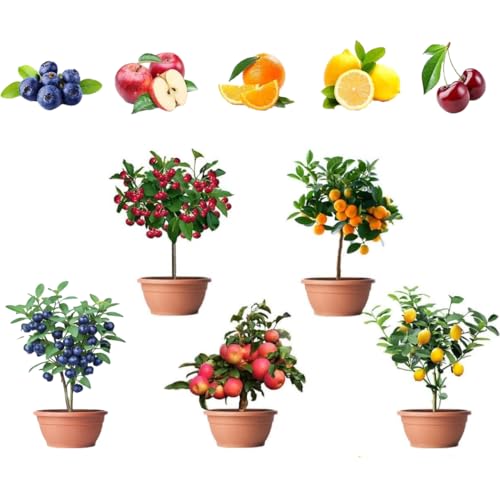
Variety Pack of 5 Fruits: Includes 40 Lemon seeds, 40 Orange seeds, 40 Apple seeds, 20 Cherry seeds, and 20 Blueberry seeds for a colorful and diverse home garden

Complete Orchard Starter Bundle: Receive 8 dormant bare root fruit trees with 2 each of Apple,Blueberry, Raspberry, Blackberry. A great way to start or expand a backyard orchard with a variety of delicious fruits.
Benefits Of Shopping Locally
- Fresh Stock: Local nurseries stock trees that thrive in your climate and soil, ensuring they adapt well.
- Expert Advice: Staff members often have experience and training in local growing conditions, making them a valuable resource.
- Immediate Purchase: You can take your fruit tree home the same day, avoiding wait times commonly associated with online orders.
- Community Support: Buying locally supports your community’s economy and promotes sustainable practices.
- Garden Centers: Check large home improvement stores or dedicated garden centers for a selection of fruit trees.
- Specialty Nurseries: Seek out nurseries that focus on organic or native plants for unique varieties.
- Farmers’ Markets: Visit farmers’ markets for vendors who sell local fruit trees or can recommend nearby sources.
- Cooperatives: Look for local garden cooperatives that may offer bulk purchasing options or member discounts on fruit trees.
Online Retailers For Fruit Trees
Online retailers provide an excellent option for finding a wide selection of fruit trees. They offer convenience, competitive pricing, and often ship directly to your doorstep.
Advantages Of Online Shopping
- Increased Selection: Online retailers often stock a wider variety of fruit trees than local nurseries, including rare and heirloom varieties.
- Detailed Information: Many websites feature comprehensive descriptions and growing guides for each product, helping you make informed choices.
- Convenience: Shopping online allows you to browse and compare without leaving your home, saving time and effort.
- Customer Reviews: User feedback offers insights into the quality of trees and the experience of previous buyers.
- Home Delivery: Trees are delivered directly to your location, eliminating the need for transportation.
| Website Name | Special Features |
|---|---|
| Burpee | Offers organic options and growing tips. |
| Fast Growing Trees | Provides a large selection and helpful shipping info. |
| Stark Bros | Features heirloom varieties and a satisfaction guarantee. |
| Nature Hills Nursery | Offers a plant finder tool and a variety of fruit species. |
| Gardener’s Supply Company | Stocks unique varieties and eco-friendly options. |
These websites ensure you’ll find the fruit trees that fit your gardening goals. Check their offerings, compare prices, and read reviews to make the best decision for your garden.
Community Resources
Community resources offer valuable support for finding and planting fruit trees. Engaging with local programs and groups can significantly enhance your gardening experience.
Tree Planting Programs
Many local municipalities and non-profit organizations run tree planting programs. These initiatives often provide free or subsidized fruit trees to residents. Participating in these programs typically includes workshops on proper planting and care. Contact your local parks department or environmental organizations for details on available programs. For example, the Arbor Day Foundation supports planting initiatives nationwide, encouraging sustainable practices.
Local Gardening Clubs And Co-ops
Joining a local gardening club or co-op connects you with fellow gardening enthusiasts. These groups often organize plant swaps, share resources, and offer advice on selecting the best fruit trees. Look for clubs that focus on fruit gardening, as they can provide specific tips tailored to your area’s climate. Cooperative extensions frequently host events or maintain community gardens where you can learn and borrow resources. Participate in these activities to enhance your knowledge and find suitable fruit trees.
Growing Your Own Fruit Trees
Growing your own fruit trees offers a rewarding experience. You enjoy fresh produce while gardening and connecting with nature. Here’s how to successfully start your journey.
Selecting the Right Fruit Trees
Choosing the right fruit trees for your area is crucial. Consider your climate, soil conditions, and available space. Popular options include:
- Apple Trees: Versatile and hardy, ideal for many climates.
- Peach Trees: Prefer warmer areas and thrive in well-drained soil.
- Citrus Trees: Best in subtropical to tropical regions, needing full sun.
Research varieties that suit your local climate and soil type. Local nurseries provide insights into what grows best in your area.
Preparing Your Garden
Preparing the garden for planting is essential. Follow these steps:
- Choose a Location: Select a sunny spot that gets at least six hours of sunlight daily.
- Test the Soil: Check soil pH and drainage. Most fruit trees prefer slightly acidic to neutral soil (pH 6.0-7.0).
- Enhance the Soil: Add organic matter like compost to improve fertility and drainage.
Ensure there’s enough room for your trees to grow without crowding.
Planting Your Fruit Trees
After preparing, it’s time to plant. Use these guidelines:
- Dig the Hole: Make the hole twice as wide and as deep as the root ball.
- Position the Tree: Place the tree in the hole, ensuring the graft union sits above soil level.
- Fill and Water: Fill the hole with soil, patting it down gently. Water thoroughly to eliminate air pockets.
Planting during the right season, typically early spring or fall, boosts your tree’s success.
Caring for Your Fruit Trees
Proper care ensures healthy growth and fruitful yields. Focus on the following aspects:
- Watering: Deep watering twice a week promotes root development. Adjust frequency based on rainfall.
- Fertilizing: Use a balanced, slow-release fertilizer in early spring.
- Pruning: Prune during dormancy to maintain shape and remove dead or diseased wood.
Regular monitoring for pests and diseases also plays a critical role in keeping your trees healthy.
Harvesting Your Fruit
Enjoying the fruits of your labor is the best part. Harvest at the right time for optimal flavor and quality. Signs of ripeness vary by fruit type:
- Apples: Pick when firm and slightly shiny.
- Peaches: Harvest when they yield slightly to pressure.
- Citrus: Cut when the fruit color deepens and develops a glossy finish.
With patience and care, your fruit trees will thrive and provide delicious rewards for years to come.
Conclusion
Finding the perfect fruit trees for your garden can be an exciting journey. By exploring local nurseries and online retailers you can tap into a wealth of options that suit your needs. Don’t forget to check out community resources and programs that might offer valuable support and guidance.
With a little research and some hands-on experience you’ll be well on your way to growing a fruitful garden. Enjoy the process of planting and nurturing your trees and look forward to the delicious rewards they’ll bring. Happy gardening!
Frequently Asked Questions
What are the benefits of growing a fruit garden?
Growing a fruit garden offers numerous benefits, including access to fresh, nutritious produce, the joy of gardening, and the satisfaction of harvesting your own fruits. It also provides an opportunity to connect with nature, enhance your outdoor space, and potentially save on grocery bills.
Where should I look for fruit trees?
You can find fruit trees at local nurseries and garden centers, which often have knowledgeable staff and a selection of trees suited for your climate. Other options include specialized online retailers, farmers’ markets, and community gardening groups that may offer resources and advice.
What are the advantages of shopping at local nurseries?
Local nurseries provide fresh stock that thrives in your area’s climate, expert advice, and the chance to inspect trees before purchase. Supporting local businesses also contributes to your community’s economy, making it a beneficial choice for finding fruit trees.
Can I buy fruit trees online?
Yes, purchasing fruit trees online is convenient and offers a wide selection, competitive pricing, and home delivery options. Many online retailers, like Burpee and Fast Growing Trees, provide detailed product information and customer reviews to help you choose the best options.
How can community resources help with fruit gardening?
Community resources, such as local tree planting programs and gardening clubs, offer valuable support. They may provide free or subsidized trees, workshops on care techniques, and connections with fellow gardening enthusiasts to enhance your fruit gardening experience.
What factors should I consider when selecting fruit trees?
When selecting fruit trees, consider the climate, soil conditions, and available space in your garden. Popular choices like apple, peach, and citrus trees thrive in various conditions, so it’s essential to choose varieties suited to your environment for the best results.
What are the essential steps for planting fruit trees?
Key steps for planting fruit trees include choosing a sunny location, testing the soil, digging an appropriately sized hole, and positioning the tree correctly. Enhancing the soil with organic matter and following proper care guidelines will help ensure your tree’s success.
How do I know when fruit is ripe?
To determine ripeness, look for specific signs based on the fruit type. For apples, check for a firm texture and a slight color change; peaches should be slightly soft and fragrant; citrus fruits can be picked when they are fully colored. Harvesting at the right time maximizes flavor and enjoyment.
