

Choosing the right fruit trees for North Carolina’s coastal regions requires understanding the local climate and soil conditions. Selecting varieties that thrive in humidity and salt exposure will ensure a fruitful harvest.
Coastal Climate Effects on Fruit Trees
Coastal North Carolina experiences a humid subtropical climate characterized by warm summers and mild winters. This environment can support a variety of fruit trees, but specific considerations are necessary. Factors such as soil salinity, wind exposure, and humidity levels can significantly affect tree health and yield.
Soil Salinity: Coastal areas often have higher salt levels, which can stress trees.
Wind Exposure: Strong coastal winds can damage young trees.
Humidity Levels: High humidity can lead to fungal diseases.
Coastal Fruit Tree Selection Guide
Selecting the right fruit trees for coastal North Carolina requires an understanding of the unique climate and soil conditions of the region. This guide provides insights into the best varieties suited for coastal environments, ensuring successful growth and fruitful harvests. Discover the ideal fruit trees that thrive along the coast and enhance your gardening experience.
Choosing the right fruit trees is crucial for success. Certain varieties are more resilient to coastal conditions. Here are some recommended options:
Citrus Trees: Varieties like Meyer lemons and Satsuma mandarins thrive in coastal areas.
Peach Trees: Elberta and Belle of Georgia peaches are well-suited for the region.
Fig Trees: Brown Turkey and Celeste figs handle humidity well.
Recommended Fruit Trees for Coastal North Carolina
Coastal North Carolina offers a unique climate that supports a variety of fruit trees, making it essential to choose species that thrive in this environment. Understanding the best options can lead to fruitful harvests and vibrant gardens. Here are some recommended fruit trees that are well-suited for the coastal region, ensuring success for both novice and experienced gardeners.
| Fruit Tree Type | Recommended Varieties | Growth Habit | Disease Resistance |
|---|---|---|---|
| Citrus | Meyer Lemon, Satsuma Mandarin | Compact | High |
| Peach | Elberta, Belle of Georgia | Spreading | Moderate |
| Fig | Brown Turkey, Celeste | Bushy | High |
| Apple | Anna, Dorsett Golden | Upright | Moderate |
Site Preparation for Coastal Fruit Trees
Preparing the site for coastal fruit trees in North Carolina is crucial for ensuring healthy growth and fruitful yields. The unique coastal environment presents specific challenges, making it essential to understand soil conditions, drainage, and sunlight exposure. Effective site preparation can significantly enhance the success of your fruit tree planting endeavors in this region.
Proper site preparation is essential for the success of your fruit trees. Assessing soil quality and drainage will help you create an optimal growing environment. Follow these steps for effective preparation:
Test Soil: Use a soil test kit to determine pH and nutrient levels.
Improve Drainage: Amend heavy clay soils with organic matter to enhance drainage.
Select Location: Choose a site with at least six hours of sunlight daily.
Recommended Products

Quick, at home results for Soil pH, Nitrogen, Phosphorous and Potash Innovative and inexpensive soil test kit features an easy-to-use capsule system and patented color comparators

Kindly NOTE: This soil tester can not be applied to test pH value of any other liquid. If the soil is too dry the indicator will not move, and water it before testing.

KNOW BEFORE YOU GROW | Grow the healthiest, sustainable lawn and garden with the most accurate and easy to use professional soil test kit on the market
Low-Lying Area Planting Risks
Planting fruit trees in low-lying areas of North Carolina’s coastal regions presents unique challenges that can impact their growth and productivity. Understanding the risks associated with these environments is crucial for successful cultivation. This section explores potential pitfalls and offers insights on how to mitigate them for thriving fruit orchards.
Avoid planting in low-lying areas where water may pool after heavy rains.
Planting Techniques for Coastal Fruit Trees
Planting fruit trees along the North Carolina coast requires specific techniques to thrive in the region’s unique climate and soil conditions. Understanding the best practices for planting can significantly enhance the chances of successful growth and fruit production. This section delves into effective strategies tailored for coastal environments, ensuring your fruit trees flourish.
Planting your fruit trees correctly will set the foundation for healthy growth. Follow these steps for successful planting:
Dig a Hole: Create a hole twice as wide as the root ball and the same depth.
Position Tree: Place the tree in the center, ensuring the graft union is above soil level.
Backfill: Fill the hole with native soil, gently tamping down to eliminate air pockets.
Water Thoroughly: After planting, water deeply to settle the soil around the roots.
Essential Care Tasks for Fruit Trees
Caring for fruit trees in North Carolina’s coastal region requires attention to specific tasks that ensure healthy growth and fruitful yields. Understanding the essential care practices, from soil management to pest control, is crucial for both novice and experienced gardeners. This section outlines the key responsibilities that will help your fruit trees thrive in this unique environment.
Maintaining your fruit trees involves regular care and monitoring. Here are essential tasks to keep in mind:
Watering: Ensure consistent moisture, especially during dry spells.
Fertilizing: Use a balanced fertilizer in early spring to promote growth.
Pruning: Regularly prune to remove dead or diseased branches and improve air circulation.
Ongoing Care for Coastal Fruit Trees
Maintaining coastal fruit trees in North Carolina requires a tailored approach to ongoing care that addresses the unique challenges of the region. Factors such as soil quality, humidity, and salt exposure play crucial roles in the health and productivity of these trees. Understanding these elements is essential for ensuring a fruitful harvest year after year.
Regular monitoring and care are vital for the long-term health of your trees.
Pest and Disease Control for Fruit Trees
Maintaining healthy fruit trees in North Carolina’s coastal regions requires vigilance against pests and diseases. Understanding the specific threats to your trees and implementing effective control measures is essential for a successful harvest. This section explores practical strategies to protect your fruit trees from common pests and diseases prevalent in this unique environment.
Pests and diseases can threaten the health of your fruit trees. Identifying and managing these issues promptly is crucial. Common pests include:
Scale Insects: Look for sticky residue on leaves.
Caterpillars: Check for chewed leaves and frass.
For disease management, consider these practices:
Fungicide Application: Apply fungicides at the first sign of fungal infections.
Crop Rotation: Rotate planting locations annually to reduce disease buildup.
Recommended Products
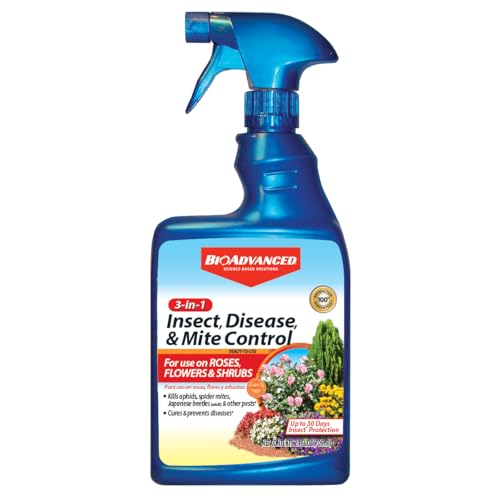
INSECT KILLER: Army worm killer. Also kills insects such as Aphids, Spider Mites, Japanese Beetles, Caterpillars, and other listed insects

TRIPLE PROTECTION FORMULA: 3-in-1 solution kills listed insects, controls listed diseases, and controls listed mites with one easy application

🌿 Controls Common Fungal & Bacterial Diseases Defend your plants from powdery mildew, botrytis, anthracnose, and more. Works on contact to stop foliar plant diseases before they spread.
Coastal Fruit Tree Care Strategies
Coastal regions of North Carolina present unique challenges for fruit tree cultivation, requiring specific care strategies to ensure healthy growth and fruitful yields. Understanding the local climate, soil conditions, and pest management techniques is essential for success. This section delves into effective practices tailored to the coastal environment, helping gardeners thrive in their fruit-growing endeavors.
Implement these strategies to ensure your fruit trees thrive in North Carolina’s coastal environment.
