

Have you ever thought about growing your own fruit trees in Dallas? With the right choices, you can enjoy fresh, homegrown fruit right from your backyard. But knowing what trees thrive in the Texas climate can be a bit tricky.
Key Takeaways
- Climate Suitability: Dallas’s hot summers and mild winters support a variety of fruit trees; selecting heat-tolerant varieties is essential for successful growth.
- Recommended Varieties: Popular fruit trees for Dallas include apples (e.g., ‘Anna’), peaches (e.g., ‘Elberta’), pears (e.g., ‘Bartlett’), figs (e.g., ‘Brown Turkey’), and plums (e.g., ‘Methley’).
- Soil and Sunlight Requirements: Ensure well-draining soil with a pH of 6.0-7.0, adequate sunlight (6-8 hours), and consistent watering to promote healthy tree growth.
- Pruning and Care: Regular pruning during the dormant season helps maintain tree health and increases fruit production; aim to remove dead or overcrowded branches.
- Pest and Disease Management: Monitor for common pests like aphids and fungal diseases like peach leaf curl; use organic solutions to minimize harm to beneficial insects.
Overview of Fruit Trees in Dallas Texas
Growing fruit trees in Dallas offers the reward of fresh, homegrown produce. The Texas climate, characterized by hot summers and mild winters, supports a variety of fruit trees. Choosing the right varieties ensures successful growth and bountiful harvests.
Common Fruit Trees
- Apple Trees: Drought-tolerant and versatile, apple trees thrive in different soil types. Varieties like ‘Anna’ and ‘Dwarf Fuji’ perform well in the Dallas area.
- Peach Trees: Popular for their sweet fruit, peach trees require full sun and well-drained soil. Varieties like ‘Elberta’ and ‘Redskin’ are recommended for their resilience.
- Pear Trees: Hardy and adaptable, pear trees grow well in the region. Consider ‘Bartlett’ and ‘Kieffer’ for robust growth and good yields.
- Fig Trees: Fig trees excel in heat. ‘Brown Turkey’ and ‘Celeste’ are two varieties that produce sweet, delicious fruits.
- Plum Trees: These trees benefit from the warm Texas climate. ‘Methley’ and ‘Santa Rosa’ are popular choices that yield juicy plums.
Growing Conditions and Care
- Soil Requirements: Well-draining soil enhances growth. Conduct a soil test to check pH levels and amend as needed.
- Sunlight: Fruit trees generally need 6-8 hours of direct sunlight daily. Ensure your chosen location receives adequate sunlight.
- Watering: Consistent watering is crucial, particularly during hot spells. Deep watering encourages root development; aim for once a week during dry periods.
- Pruning: Regular pruning promotes healthy growth and increases fruit production. Focus on removing dead or overcrowded branches during the dormant season.
- Common Pests: Watch for aphids, spider mites, and fruit flies. Use organic insecticides when necessary, ensuring minimal disturbance to beneficial insects.
- Diseases: Fungal infections like peach leaf curl and powdery mildew may affect trees. Implement preventative measures, such as proper spacing and airflow, to reduce risk.
By selecting the right fruit tree varieties and providing proper care, enjoying homegrown fruit in Dallas can become a rewarding endeavor.
Popular Fruit Trees for Dallas Gardens
Dallas offers a range of fruit trees that thrive in its climate. Choosing the right varieties ensures successful growth and fruitful harvests.
Recommended Products

FLAVORFUL LEMONS FOR YOUR KITCHEN: Enjoy fresh, juicy lemons from your own Meyer lemon tree, producing fragrant blooms & citrus fruit that enhance indoor or outdoor spaces. Due to USDA regulations, we do not ship to freight forwarding locations, hotels, PO Boxes, Military (AFO/FPO), AZ, AL, CA, LA, HI, TX, Puerto Rico, Guam, U.S. Virgin Islands, American Samoa, and Northern Mariana Islands. Suited for mother's day gifts, plant gifts for women, and plant gifts for mom for growing citrus at home.

Product Quantity: 15+ premium navel orange seeds per packet; Carefully selected for high viability and genetic purity; Perfect for starting your own citrus grove at home

LIME BONSAI TREE SEEDS: 30 Lime Tree Seeds. Grow as Bonsai or for food.
Stone Fruits
Stone fruits, such as peaches and plums, prosper well in Dallas. Opt for these varieties:
- Freestone Peaches: Varieties like ‘Elberta’ and ‘Texas Giant’ produce sweet, juicy peaches. They need full sun and well-draining soil.
- Plum Trees: The ‘Methley’ and ‘Santa Rosa’ varieties are self-pollinating and yield sweet, flavorful plums. They thrive with consistent watering and annual pruning.
Stone fruits require warm weather, so ensure protection during unexpected cold snaps.
Citrus Trees
Citrus trees flourish in Dallas’s warm environment, providing delicious fruits year-round. Consider these popular types:
- Navel Orange Trees: Navel oranges thrive in full sun and produce large, sweet oranges without seeds. Make sure to provide adequate moisture.
- Lemon Trees: Varieties like ‘Improved Meyer’ lemon are ideal for home gardens. They adapt to containers, making them versatile for limited spaces. Regular watering helps fruit development.
Citrus trees benefit from good drainage and protection from frost during winter months.
Pome Fruits
Pome fruits, including apples and pears, also thrive in the Dallas area. Ideal varieties include:
- Apple Trees: Opt for cold-hardy varieties such as ‘Gala’ and ‘Fuji.’ These trees require cross-pollination, so plant at least two different varieties.
- Pear Trees: ‘Bartlett’ and ‘Kieffer’ pears grow well in Texas. They produce tasty fruits and tolerate various soil types.
Pome fruits prefer full sunlight and need consistent watering, especially during the growing season.
Factors Affecting Fruit Tree Growth
Fruit tree growth in Dallas depends on several critical factors. Understanding these can help you successfully cultivate healthy trees that yield abundant fruit.
Climate Considerations
Dallas experiences a humid subtropical climate. This means hot summers and mild winters. When selecting fruit trees, consider their heat tolerance and chill hour requirements. Trees like peaches and apples need specific chilling hours to produce fruit successfully. For instance, the ‘Elberta’ peach thrives well under these conditions due to its low chill hour requirement. In contrast, other varieties may struggle in higher temperatures, so always research suitable options for your climate zone.
Soil Types
Soil quality significantly impacts fruit tree health. In Dallas, you may encounter clay soils. These can retain moisture but are often compacted, limiting root growth. Adding organic matter, such as compost or well-rotted manure, improves drainage and aeration. Aim for a pH level between 6.0 and 7.0 for optimal growth. If you’re planting in sandy soils, ensure regular watering. Crop success often correlates with proper soil type management. Research your specific soil type and adopt necessary amendments for ideal tree health.
Care and Maintenance for Successful Growth
To grow healthy fruit trees in Dallas, you need effective care and maintenance strategies. Focus on watering, pruning, and understanding seasonal needs to promote fruitful trees.
Recommended Products
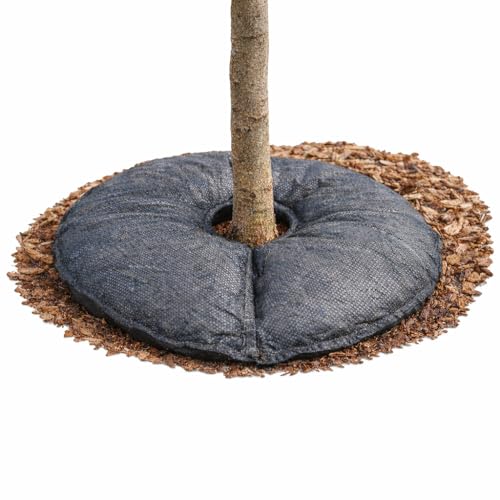
For Plants and Trees that with root balls about 12” in dia., (11-15”, e.g. 3-10 Gallon Container Sizes have top diameters between 11-15”) - Uses 99% LESS WATER than traditional tree bag over the course of multiple seasons for better establishment of the newly planted trees and shrubs! When the plant root ball is larger than 15”, the 36”, 48”, or multiple units of these larger sized SteadySpring Tree Mats are recommended to cover an area double of the root ball size or at least 20” larger than the root ball.
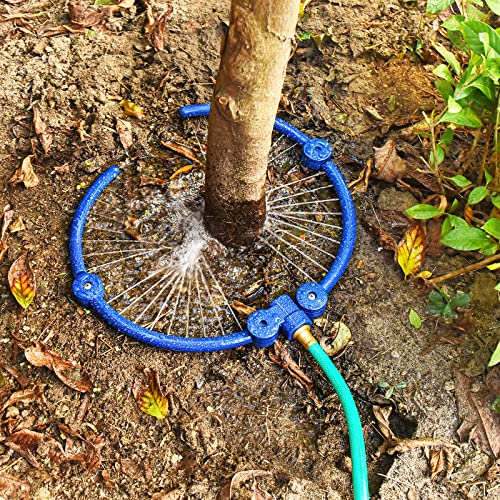
【Specially Designed for Trees and Shrubs】 The Watering Ring is a multi-purpose irrigation ring that attaches to a garden hose to efficiently water young trees shrubs vegetables or flower beds using drip or trickle irrigation.It directs water to the root perimeter of the plant to give them a good start during the first two growing seasons or through periods of drought.

✔️ 【20 Gallon Slow Release Tree Watering Ring/Bag】Holds up to 20 gallons of water and delivers a slow, even release over approximately 6–8 hours. Deep root watering helps reduce runoff, minimize evaporation, and support healthier tree establishment.
Watering and Irrigation
Watering fruit trees requires consistency and attention to soil moisture levels. To ensure proper hydration:
- Check Soil Moisture: Insert your finger about an inch into the soil. If it feels dry, it’s time to water.
- Water Deeply: Apply water at the base of the tree, around the drip line, ensuring roots receive moisture. Aim for about 2-4 inches of water weekly, adjusting for rainfall.
- Use Mulch: Add a layer of organic mulch around the base. This helps retain moisture and reduces weeds.
- Adjust for Seasons: In summer, trees may require more frequent watering. In winter, reduce frequency to prevent root rot.
Pruning Practices
Pruning encourages healthy growth and fruit production. Follow these steps for effective pruning:
- Choose Timing Wisely: Prune in late winter or early spring before new growth starts. This minimizes stress on the tree.
- Identify Dead or Diseased Wood: Remove any branches that look dead, diseased, or damaged. Cut these at the trunk or main branch.
- Thin Out Crowded Areas: Remove excess branches to allow sunlight and air to circulate. Aim for an open center, promoting better fruit development.
- Cut at Angles: Make cuts at a 45-degree angle to prevent water accumulation on the cut surface, reducing disease risk.
- Maintain Shape: Shape the tree to a manageable height and width, preventing branches from becoming too heavy or breaking.
Implementing these watering and pruning practices results in healthier fruit trees, ensuring you enjoy a bountiful harvest in your Dallas garden.
Conclusion
Growing fruit trees in Dallas can be a delightful experience. With the right choices and care you can enjoy a bounty of fresh fruit right from your backyard. Remember to consider the local climate and soil conditions when selecting your trees.
By nurturing varieties like peaches, apples, and citrus you’ll not only enhance your garden’s beauty but also create a delicious source of homegrown produce. Just stay attentive to watering and pruning needs and you’ll be well on your way to a fruitful harvest. Happy gardening!
Frequently Asked Questions
Can I grow fruit trees in Dallas?
Yes, you can grow fruit trees in Dallas. The area has a suitable climate for various fruit trees, but selecting the right varieties is essential for successful growth.
What are some recommended fruit trees for Dallas?
Some recommended fruit trees for Dallas include apple, peach, pear, fig, and plum trees. Varieties such as ‘Elberta’ peaches and ‘Methley’ plums are particularly resilient in the Texas climate.
What factors affect fruit tree growth in Dallas?
Key factors include climate considerations, soil types, and proper tree selection based on chill hour requirements. Dallas has a humid subtropical climate, necessitating heat-tolerant tree varieties.
How should I care for my fruit trees?
Care involves regular watering, appropriate pruning, and maintaining soil quality. Deep watering techniques and timely pruning enhance growth and fruit production.
What soil conditions are best for fruit trees in Dallas?
Fruit trees prefer well-draining soil with a pH level between 6.0 and 7.0. Improving clay soils can be done by adding organic matter for better drainage and aeration.
How do I manage pests and diseases on my fruit trees?
Regular inspections for pests and diseases are crucial. Preventative measures such as proper pruning, maintaining tree health, and using organic pest control can help minimize issues.
What is the best time to prune fruit trees?
The best time to prune fruit trees is during the dormant season, typically late winter or early spring, before new growth begins. This helps promote healthy growth and fruit production.
