

Have you ever wondered if cherry fruit trees actually flower? If you’re thinking about planting one in your yard or simply curious about their beauty, you’re not alone. Cherry trees are known for their stunning blossoms, but there’s more to them than just eye-catching flowers.
Key Takeaways
- Cherry Tree Varieties: There are two main types of cherry trees: sweet (Prunus avium) known for large, sweet fruits, and sour (Prunus cerasus) ideal for cooking and preserves.
- Blooming Period: Cherry trees typically flower in early spring, usually between March and April, depending on the climate and variety.
- Flower Characteristics: The flowers range from white to light pink and feature a delicate five-petal arrangement, lasting about one to two weeks.
- Pollination Needs: Most cherry trees require cross-pollination to produce fruit, making it beneficial to plant different varieties nearby.
- Care Recommendations: For optimal flowering, cherry trees should be planted in sunny locations, watered regularly, and pruned after flowering to promote healthy growth.
- Environmental Factors: Proper soil conditions and climate are crucial; cherry trees thrive in well-drained loamy soils and temperate climates with cold winters to break dormancy.
Overview Of Cherry Fruit Trees
Cherry fruit trees, belonging to the Prunus genus, are known for their stunning floral displays. These trees produce lovely flowers that bloom in early spring. The blossoms pave the way for fruit development later in the season.
Types Of Cherry Trees
- Sweet Cherry Trees
Sweet cherry trees (Prunus avium) produce large, sweet fruits. They typically attract pollinators due to their fragrant white or pink flowers. - Sour Cherry Trees
Sour cherry trees (Prunus cerasus) bear tart fruits ideal for cooking and preserves. Their flowers emerge in clusters and also attract various pollinators.
Flowering Characteristics
- Bloom Time
Cherry trees generally flower between March and April, depending on the climate zone. Warmer areas may see earlier blossoms. - Flower Appearance
Blossoms vary from white to light pink. They have delicate petals, often with a five-petal arrangement, creating a stunning sight in gardens. - Pollination
Most cherry trees require cross-pollination for fruit set. Planting different varieties close together enhances pollination success.
Care Tips For Cherry Trees
- Planting Location
Choose a sunny spot with well-drained soil. Cherry trees thrive in full sunlight for optimal blooming. - Watering
Regular watering is crucial, especially during dry spells. Keep the soil consistently moist but not waterlogged. - Pruning
Prune after flowering to promote healthy growth and shape. This allows more light and air circulation, enhancing flower and fruit production.
- Do all cherry trees flower?
Yes, all cherry trees flower, but the bloom characteristics differ among varieties. - How long do the flowers last?
Blossom duration usually spans one to two weeks, depending on weather conditions.
Understanding these essentials helps you appreciate the beauty and benefits of cherry fruit trees, making them a great addition to any garden.
Flowering Characteristics
Cherry fruit trees display stunning blossoms that significantly enhance their appeal. Understanding their flowering characteristics helps in appreciating their beauty and ensuring proper care.
Recommended Products

Produce abundant and vibrant fruit and blooms! This product works by strengthening your plant's roots to increase nutrient uptake… enabling it to bloom and produce like you've never seen!
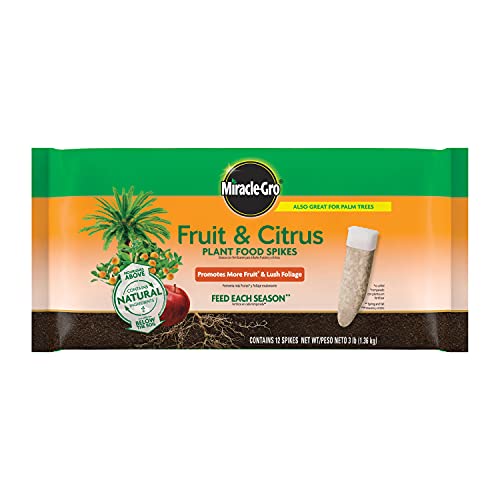
FORMULATED FOR CITRUS AND FRUIT TREES: Use these citrus fertilizer spikes on apple, orange, lemon, lime, and avocado trees; this formula is also great for feeding palm trees

Let our professionally formulated plant food help your fruit tree grow healthy, strong AND abundantly producing
Types Of Cherry Fruit Trees
Cherry trees belong to the Prunus genus and feature two primary types:
- Sweet Cherry Trees: These trees produce large, sweet fruits. Their flowers are fragrant, attracting pollinators. You’ll find these varieties in orchards and home gardens.
- Sour Cherry Trees: Known for their tart fruits, sour cherry trees are ideal for cooking and making preserves. Their flowers are less fragrant but still visually striking.
Both types thrive in similar conditions but attract different pollinators, highlighting the diversity within cherry trees.
Flowering Seasons
Cherry trees typically flower in early spring. The exact timing varies by region and variety but generally occurs between March and May.
- Sweet Cherry Trees: Often bloom first, usually around mid to late March. The flowers appear in clusters and last up to two weeks.
- Sour Cherry Trees: These begin blooming slightly later, often in April. Their blossoms also last for about one to two weeks.
Understanding these flowering seasons aids in planning for optimal pollination and fruit setting in your garden.
Factors Influencing Flowering
Several factors influence the flowering of cherry fruit trees, affecting their beauty and fruit yield. Understanding these elements helps you cultivate healthy trees.
Recommended Products

Kindly NOTE: This soil tester can not be applied to test pH value of any other liquid. If the soil is too dry the indicator will not move, and water it before testing.

Accurate Soil pH Testing: Dewildetradingco Soil pH Test Strips offer measurements of soil pH levels (pH 3.5-9). As an essential tool for every gardener and grower, these test strips help determine the optimal pH for various plants, such as outdoor plants, indoor plants, gardens, grass lawns, fruit trees, flowers, vegetables, and forest shrubs.

KNOW BEFORE YOU GROW | Grow the healthiest, sustainable lawn and garden with the most accurate and easy to use professional soil test kit on the market
Climate Requirements
Cherry trees thrive in temperate climates. They require cold winters to break dormancy, which triggers blooming when temperatures rise in spring. Ideal temperatures for flowering range from 45°F to 70°F. Locations with mild winters and ample sunshine promote robust bud development. Be aware that late spring frosts can damage blossoms, so it’s best to plant trees in areas with stable spring weather.
Soil Conditions
Cherry trees prefer well-draining, loamy soils rich in organic matter. Soil pH should be between 6.0 and 7.0 for optimal growth. Compact or sandy soils can hinder root development and nutrient absorption. Before planting, test your soil and amend it with compost or peat moss to enhance drainage and fertility. Regularly check moisture levels; cherry trees require consistent watering, especially during flowering.
Care And Maintenance For Flowering
Proper care and maintenance are crucial for promoting beautiful blooms on your cherry fruit trees. With the right techniques, you can enhance flowering and ensure vibrant blossoms.
Recommended Products

· ULTRA-SHARP SK5 STAINLESS STEEL - Engineered with premium SK5 stainless steel, these heavy duty pruning shears deliver razor-sharp precision and maximum hardness. The rust-resistant blades are designed to stay sharp longer, effortlessly resisting corrosion and sap buildup for smooth, friction-free garden shears performance year after year.


ULTRA SHARP - Much less effort to cut branches with our pruning shears. Crafted from premium SK5 steel with titanium coating, our garden scissors and garden clippers boast exceptional durability and sharpness. A perfect pruning shears for gardening and a must-have garden tool, hedge clippers pruners for gardening
Pruning Techniques
Pruning cherry trees is vital for maintaining their shape and encouraging healthy growth.
- Timing: Prune in late winter or early spring, just before blooming. This timing minimizes the risk of frost damage to cuts.
- Tools: Use sharp, clean pruning shears to avoid damaging branches.
- Method: Remove dead or diseased wood first. Then, thin out crowded branches to improve airflow and sunlight exposure. Aim for an open center to promote even flowering.
- Shaping: Trim to maintain the desired shape, but avoid excessive cutting. Focus on removing about 20% of the tree’s canopy each year for best results.
Fertilization Tips
Fertilizing cherry trees supports robust growth and plentiful flowers.
- Soil Test: Conduct a soil test to determine nutrient needs. Cherry trees thrive in well-drained soils.
- Timing: Fertilize in early spring, before new growth begins. A balanced fertilizer with an N-P-K ratio of 10-10-10 works well.
- Application: Apply the fertilizer evenly around the drip line, avoiding the trunk. Water it in thoroughly to help absorption.
- Frequency: Fertilize annually for the first three years. Afterward, conduct soil tests every few years to adjust your fertilization routine.
By following these care techniques, you enhance the flowering potential of your cherry trees, resulting in stunning displays each spring.
Conclusion
Cherry fruit trees truly bring a splash of beauty to your garden with their vibrant blossoms each spring. Whether you choose sweet or sour varieties you can look forward to a stunning floral display that attracts pollinators and enhances your landscape.
By understanding their care needs and the right conditions for flowering you can enjoy not just the lovely blooms but also the delicious fruits that follow. So as you plan your garden don’t forget to appreciate the charm and benefits these trees offer. Happy gardening!
Frequently Asked Questions
Do cherry fruit trees actually flower?
Yes, cherry fruit trees are known for their beautiful blooms. They typically flower in spring, producing stunning flowers that can enhance any garden’s aesthetic appeal.
What are the main types of cherry fruit trees?
There are two main types of cherry fruit trees: sweet cherry trees, which produce large, sweet fruits and have fragrant flowers, and sour cherry trees, known for their tart fruits, ideal for cooking and preserves.
When do cherry trees typically flower?
Cherry trees generally flower between March and May. Sweet cherry trees bloom first, around mid to late March, while sour cherry trees usually bloom in April.
How long do cherry blossoms last?
Cherry blossoms usually last between one to two weeks, depending on weather conditions and tree health, adding to the overall beauty of the landscape.
What climate is best for cherry trees?
Cherry trees thrive in temperate climates with cold winters to break dormancy. Ideal temperatures for flowering range from 45°F to 70°F to ensure optimal blooming.
What soil conditions do cherry trees need?
Cherry trees prefer well-draining, loamy soils that are rich in organic matter. A pH level between 6.0 and 7.0 is ideal for their growth and flowering.
How should I care for my cherry tree?
To care for cherry trees, ensure they have a sunny location, regular watering, and proper pruning. Fertilization with a balanced fertilizer in early spring can also promote healthy blooms.
When is the best time to prune cherry trees?
The best time to prune cherry trees is in late winter or early spring, focusing on removing dead wood and thinning crowded branches to promote better airflow and growth.
How can I enhance the flowering potential of my cherry tree?
To enhance flowering, follow proper care techniques, such as regular watering, testing soil for nutrients, and applying a balanced fertilizer. Proper pruning and ensuring stable spring weather are also important.
Do all cherry trees produce fruit?
Yes, all cherry trees flower and produce fruit; however, the fruit quality depends on the type of tree and conditions like cross-pollination, which is crucial for fruit set.
