

Are your fruit trees looking a bit unruly? Pruning can feel overwhelming, especially when you’re not sure when to start. In Washington State, timing is everything for keeping your trees healthy and productive.
Key Takeaways
- Timing is Essential: Prune deciduous fruit trees in late winter (December to early March) in Washington State for optimal health and production. Evergreen trees should be pruned in late summer or early fall.
- Different Trees Have Unique Needs: Each fruit tree type has a specific pruning schedule. For example, apple and pear trees benefit from winter pruning, while fig trees should be pruned in late summer.
- Pruning Enhances Fruit Quality: Proper pruning techniques significantly improve fruit size and quality by focusing the tree’s energy on fewer, stronger fruits instead of many smaller ones.
- Assess Tree Health: Always evaluate the tree’s overall health before pruning to identify areas needing attention and to ensure a productive pruning session.
- Use the Right Tools: Equip yourself with proper pruning tools such as hand pruners, loppers, and safety gear to make clean cuts and minimize tree stress.
- Seasonal Considerations Matter: Adapt your pruning approach based on seasonal changes and regional climate variations in Washington State to maintain tree health and maximize fruit yield.
Understanding Pruning Basics
Pruning is essential for the health and productivity of fruit trees. Knowing when and how to prune can make a significant difference in your orchard’s yield and vitality.
Importance of Pruning
Pruning encourages healthy growth by removing dead or diseased branches. It shapes the tree, improving sunlight exposure and air circulation. Increased airflow reduces the risk of fungal diseases. Regular pruning also promotes new growth, resulting in more flowers and fruits. Prioritize pruning in winter for deciduous trees, and consider summer pruning for specific varieties to control size and shape.
Effects on Fruit Production
Timing and technique directly impact fruit production. Proper pruning enhances fruit size and quality. It helps trees focus energy on developing fewer, stronger fruits instead of many smaller ones. For instance, apple trees pruned in late winter produce larger apples. In contrast, fruit trees left unpruned can experience overcrowding, resulting in smaller, less flavorful fruits. Always assess the tree’s health before pruning to ensure optimal results.
Pruning Schedule for Different Fruit Trees
Understanding when to prune various fruit trees helps ensure healthy growth and maximum fruit production. Below is a detailed schedule based on tree types.
Recommended Products

CLEAN CUTS FOR LIVE GROWTH: Bypass blade design is ideal for pruning delicate flower stems and green growth, helping reduce crushing and plant damage while cutting stems and small branches up to 5/8” in diameter

· ULTRA-SHARP SK5 STAINLESS STEEL - Engineered with premium SK5 stainless steel, these heavy duty pruning shears deliver razor-sharp precision and maximum hardness. The rust-resistant blades are designed to stay sharp longer, effortlessly resisting corrosion and sap buildup for smooth, friction-free garden shears performance year after year.

LONG-LASTING SHARPNESS: Japanese SK5 bypass blade with titanium coating is tested through 5,000 cuts to maintain a sharp edge and deliver clean, consistent cuts on live stems and branches
Deciduous Fruit Trees
Deciduous fruit trees benefit from winter pruning when they are dormant. This typically occurs between late December and early March in Washington State. Key examples include:
- Apple Trees: Prune during February. Focus on removing dead or crossing branches to enhance air circulation.
- Pear Trees: Like apples, prune in late winter. This encourages robust fruiting and strong growth.
- Cherry Trees: Prune in late winter, but avoid pruning during spring bloom to prevent bleeding.
Regular pruning helps shape the tree, promotes healthy growth, and boosts fruit size.
Evergreen Fruit Trees
Evergreen fruit trees, such as fig and olive trees, have a different pruning schedule. You should prune them in late summer or early fall after the harvest. Key examples include:
- Fig Trees: Prune in late August to encourage new growth. Focus on removing overly vigorous branches to maintain shape.
- Olive Trees: Prune in September. This improves yield and manages tree height.
For both types, always assess the tree’s health to identify areas needing attention before pruning.
Climate Considerations in Washington State
Understanding the climate in Washington State is vital for effective fruit tree pruning. The local climate varies significantly by region, affecting growth patterns and pruning strategies.
Recommended Products

★ 1. What you get: Professional convenient grafting tool set including a dual-use grafting pruner tool contain 2 extra replaceable blades, a wrench and a screwdriver, along with 36pcs wide rubber bands, 150 thick rubber bands and 1 grafting tape, packed in a black wallet to meet all your needs


[Cut & Hold Pole Pruner for Tree Trimming] This long reach cut and hold pruner makes it easy to grip and remove branches, flowers, or fruit without dropping them. Perfect as a pole fruit picker for harvesting lemons, oranges, apples, or persimmons, and for trimming shrubs and bushes without climbing a ladder.
Regional Variations
Washington State has diverse climates, from coastal to mountainous regions. Each region presents unique conditions that influence timing and methods of pruning.
- Western Washington: Mild, wet winters and moderate summers. Prune deciduous trees in late winter, around February, to avoid risk of winter damage.
- Eastern Washington: Cold winters with hot, dry summers. Conduct winter pruning in late February to early March when temperatures rise slightly.
- Mountain Areas: Short growing seasons and significant snowfall. Prune trees during late winter, adjusting techniques based on snowfall levels.
Seasonal Changes
Seasonal shifts impact when and how you prune fruit trees. Each season brings specific considerations for maintaining tree health.
- Winter: Ideal for dormant pruning. Remove dead or unhealthy branches. Perform pruning in late December to early March for best results.
- Spring: Avoid pruning during bloom to prevent excessive stress. If necessary, remove any damaged branches after the frost danger has passed.
- Summer: For light pruning, target specific varieties, like plums or cherries, after harvest. This controls size and encourages stronger fruit production.
- Fall: Prepare for winter by pruning any dead or diseased branches. Focus on maintaining tree structure for winter resilience.
Prioritize your pruning schedule based on local climate conditions and seasonal changes to enhance the health and productivity of your fruit trees.
Tools and Techniques for Effective Pruning
Understanding the right tools and techniques is essential for successful pruning. Using proper instruments ensures clean cuts and minimizes stress on your trees.
Recommended Products

IDEAL BRANCH TRIMMER: 28" Steel blade garden bypass lopper that glides through up to 1.5" thick branches for easy cuts; Works well for trimming tree branches to maintain your yard and garden, and to encourage overall plant health and appearance
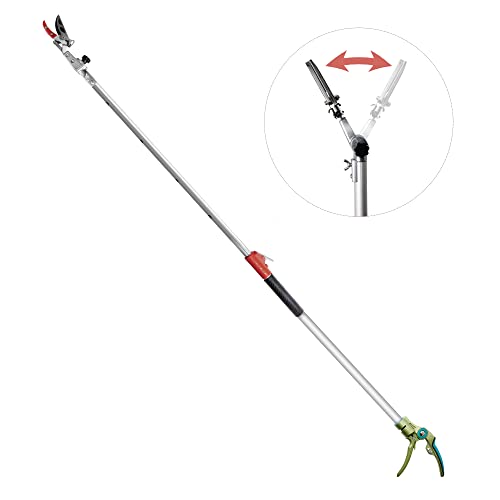
[Helpful Garden Tool] GARTOL brings to you a lightweight and extendable pruning tool to reach out to the least approachable arenas of your garden. You can conveniently get across other plants to remove the fastgrowing brambles and sting nettles without getting scratched or hurt. For gardening lovers, the telescopic pruner cutter head can can be rotated which resolves mobility issues and gives you the pleasure of trimming your garden without bending down or using a ladder to climb and cut them.

1:EXTENDABLE REACH FOR LADDER-FREE SAFETY – Acting as both a reliable tree pruner and a fruit picker pole, this tool effortlessly extends from 3.28 to 5.25 FT to reach high branches up to 10 FT from the ground. The innovative rotating and locking head allows for precise angles without unstable ladders or risky stretching, ensuring maximum safety.
Essential Pruning Tools
- Hand Pruners: Use these for small branches and precision cuts. Look for bypass pruners for cleaner cuts that promote healing.
- Loppers: Choose loppers for thicker branches that are out of reach. They offer longer handles for greater leverage.
- Pruning Saws: Utilize a pruning saw for larger branches. The curved blade helps cut through wood smoothly.
- Pole Pruners: Invest in a pole pruner for high branches. This tool allows you to reach without a ladder, reducing injury risk.
- Gloves: Wear sturdy gloves to protect your hands. Look for gloves that offer grip and durability.
- Safety Glasses: Protect your eyes from flying debris. Safety glasses ensure you can focus on pruning without distraction.
- Prune at the Right Time: Keep your pruning schedule aligned with tree dormancy. Pruning during rest periods minimizes stress.
- Make Clean Cuts: Always cut at a slight angle to encourage water drainage. Clean cuts reduce the chance of disease.
- Remove Dead, Diseased, and Crossing Branches: Start by eliminating branches that are no longer healthy. This promotes better airflow and light penetration.
- Shape the Tree: Focus on maintaining an open center to improve light access. Shape the tree to encourage a strong structure while allowing sunlight and airflow.
- Limit the Amount of Pruning: Avoid excessive pruning. Aim to remove no more than 25% of the tree’s branches in a single season. This helps prevent shock.
- Observe Tree Health: Inspect the tree before each pruning session. Knowing its health status guides what to remove.
Using these tools and techniques enhances your pruning effectiveness. Proper care leads to healthier, more productive fruit trees in Washington State.
Conclusion
Pruning your fruit trees at the right time is key to enjoying a bountiful harvest. By following the seasonal guidelines and considering your local climate you can ensure your trees stay healthy and productive. Remember to assess your tree’s health before getting started and use the right tools for the job.
With regular attention and care you’ll not only improve fruit size and quality but also create a thriving environment for your trees. So grab your pruning shears and get ready to nurture your garden into a fruitful paradise. Happy pruning!
Frequently Asked Questions
When is the best time to prune fruit trees in Washington State?
Pruning fruit trees in Washington State is best done during their dormant season, typically between late December and early March for deciduous trees. Winter is ideal for promoting healthy growth and minimizing stress.
What types of fruit trees need winter pruning?
Deciduous fruit trees like apple, pear, and cherry trees benefit from winter pruning. Specific timing varies: prune apple trees in February, pear trees in late winter, and cherry trees before bloom.
How does pruning affect fruit production?
Proper pruning focuses the tree’s energy on developing fewer, stronger fruits, thus enhancing fruit size and quality. It also eliminates dead or diseased branches, which improves overall health.
What tools do I need for effective pruning?
Essential tools include hand pruners for small branches, loppers for thicker ones, pruning saws for larger branches, and pole pruners for high branches. Safety glasses and gloves are also recommended.
How should I assess a fruit tree’s health before pruning?
Before pruning, inspect the tree for signs of disease, dead branches, or overall growth. Ensure the tree is dormant and in good health to guarantee the best outcomes post-pruning.
Is there a difference in pruning techniques based on location in Washington?
Yes, pruning techniques vary based on regional climates. Western Washington has mild winters, while Eastern Washington experiences colder conditions; adjustments may be necessary for effective pruning.
Can I prune evergreen fruit trees the same way as deciduous ones?
No, evergreen fruit trees like figs and olives usually require summer or early fall pruning after harvest. This helps maintain their shape and promote healthy growth throughout the growing season.
