

Have you ever wondered if fruit trees are classified as hardwood? You’re not alone. Many people assume that all trees bearing delicious fruits must fall into the hardwood category, but the reality is a bit more complex.
Understanding the differences between hardwood and softwood can help you make better choices for your garden or landscaping projects. Whether you’re planting a new tree or just curious about the types of trees in your yard, knowing what you’re dealing with can make a big difference. This article will clarify the distinction and provide insights into the characteristics of fruit trees, so you can feel confident in your gardening decisions.
Key Takeaways
- Classification of Fruit Trees: Not all fruit trees are classified as hardwood; many, like apple and cherry, are hardwoods, while some, like certain citrus trees, are softwoods.
- Characteristics of Hardwood: Hardwood trees are defined by their dense wood, broad leaves, unique growth rings, and slower growth rates, contributing to their durability and aesthetic appeal.
- Benefits of Hardwood Fruit Trees: These trees typically offer longevity, durability, wildlife support, and superior fruit quality, making them excellent choices for landscaping.
- Distinction Between Hardwoods and Softwoods: Hardwoods come from angiosperms and produce flowers, while softwoods come from conifers and produce cones, influencing tree selection for gardens.
- Enhancing Property Value: Incorporating hardwood fruit trees into your landscape can increase property value and curb appeal due to their beauty and ecological benefits.
Understanding Hardwood Trees
Hardwood trees belong to a specific category within the broader classification of trees. Initially, understanding their traits sets a foundation for distinguishing them from softwood trees.
Recommended Products
FORMULATED FOR CITRUS AND FRUIT TREES: Use these citrus fertilizer spikes on apple, orange, lemon, lime, and avocado trees; this formula is also great for feeding palm trees
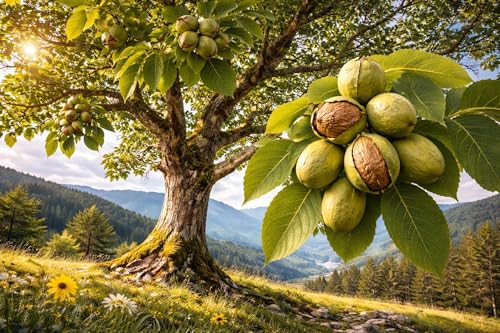
🌳 Live Butternut Tree (1–2 Ft Tall): Healthy, well-rooted White Walnut sapling ready for planting. Establishes quickly and adapts well to a variety of soil conditions.

For sale is one Black Walnut tree that is approximately 10-16 inches tall and shipped in a quart pot
Definition of Hardwood Trees
Hardwood trees come from angiosperms, or flowering plants. They typically produce broad leaves, and their wood is denser and more durable. Examples include oak, maple, and cherry. Grapevines and figs also belong to this category; however, not every fruit tree qualifies as hardwood.
Characteristics of Hardwood Trees
Hardwoods exhibit unique features:
- Density: Hardwoods possess denser wood, making them ideal for furniture and flooring.
- Growth Rings: You’ll notice distinct growth rings in hardwoods, which may indicate age and growth conditions.
- Leaf Structure: Leaf shapes vary widely, contributing to beautiful foliage, especially in the fall.
Benefits of Planting Hardwood Trees
Choosing hardwoods for your garden or landscape offers various advantages:
- Durability: Hardwoods withstand the test of time, reducing the need for frequent replacements.
- Aesthetic Appeal: Their attractive leaves and flowers enhance the visual appeal of your yard.
- Wildlife Habitat: Hardwoods support diverse ecosystems, providing shelter and food for various species.
Examples of Common Hardwood Trees
Some common hardwood trees you might consider include:
- Apple (Malus domestica)
- Cherry (Prunus avium)
- Pecan (Carya illinoinensis)
Each tree offers specific benefits, from fruit production to valuable wood.
Distinguishing Hardwood from Softwood
Recognizing differences simplifies your planting choices:
- Wood Structure: Hardwoods are denser; softwoods come from conifers like pines and firs.
- Reproductive Method: Hardwoods produce flowers, while softwoods rely on cones for reproduction.
Your ability to differentiate between these two categories can guide your selections for planting. Understanding these distinctions aids in making informed decisions about the types of trees best suited for your landscape.
Characteristics of Hardwood Trees
Hardwood trees exhibit distinct characteristics that set them apart from softwoods. These features influence their use in various applications, including landscaping.
Density and Strength
Hardwood trees generally possess greater density and strength than softwoods. This density comes from tightly packed cellulose fibers, making the wood more durable. For instance, oak wood ranks high in density, offering excellent strength for furniture and flooring. Additionally, hardwoods resist wear and tear, making them suited for high-traffic areas.
Growth Patterns
Growth patterns of hardwood trees differ significantly from those of softwoods. Hardwoods often grow slower, leading to denser and more durable wood. For example, maple trees take several years to mature. This slow growth contributes to the distinctive grain patterns in their wood. Moreover, hardwoods tend to have large, broad leaves that aid in photosynthesis, allowing for robust growth in the right conditions.
Are Fruit Trees Hardwood?
Not all fruit trees are hardwood, but many are. Understanding the classification helps in choosing the right trees for your garden.
Recommended Products

4 kinds of the most popular fruits, individually packaged, 50pcs Lemon seeds 50pcs Cherry seeds 50pcs Orange seeds 50pcs Apple seeds Fresh seeds, all fruit seeds are packed in tear and moisture resistant zipper sealed bags for your long term storage.

🌳 3-Pack Fruit Tree Bundle Includes live apple, blueberry, blackberry trees—perfectly paired for a diverse and productive backyard orchard.
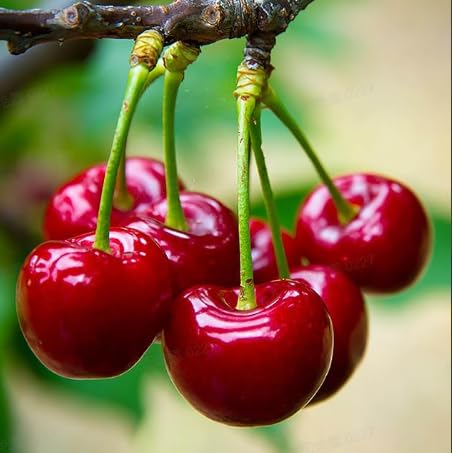
Basic Seed Attributes & Planting Scenarios: 20 Pcs Cherry Tree Seeds, non-GMO heirloom variety, with sweet and tender juicy fruits, suitable for home garden cultivation, and can be planted both indoors and outdoors.
Common Fruit Trees and Their Classification
You’ll find that some common fruit trees, such as apple, pear, and cherry, fall under the hardwood category. Other hardwoods like plum and peach also produce delicious fruits. These trees generally exhibit dense wood, which contributes to their longevity and strength. Conversely, some fruit trees, like certain citrus varieties, classify as softwoods and are less dense. Identifying these differences helps you make informed choices for planting.
| Fruit Tree | Classification |
|---|---|
| Apple | Hardwood |
| Pear | Hardwood |
| Cherry | Hardwood |
| Plum | Hardwood |
| Peach | Hardwood |
| Citrus | Softwood |
Exceptions to the Rule
Certain exceptions exist within the realm of fruit trees. Not all fruit-producing trees are hardwoods, as some softwoods bear fruit too. Examples include the juniper, which produces berries, and the Yew tree, known for its red arils. These trees may not have the same wood density or structure as hardwoods, yet they contribute to fruit production. Recognizing these exceptions allows for a broader understanding of what constitutes a fruit tree and aids in your gardening decisions.
Benefits of Hardwood Fruit Trees
Hardwood fruit trees offer numerous advantages for gardeners and landscapers.
Recommended Products


Longevity
Hardwood fruit trees typically have longer lifespans than softwood varieties. They endure harsh weather conditions, diseases, and pests more effectively. For instance, an apple tree can produce fruit for over 50 years with proper care.
Durability
The dense wood of hardwood fruit trees provides improved durability. This quality makes them excellent choices for high-traffic areas, like patios or gardens. Oak and cherry trees stand out, as their wood resists wear and tear over time.
Wildlife Support
Hardwood fruit trees provide habitats for diverse wildlife. Their thick canopies offer protection to birds and insects, enhancing local ecosystems. Planting these trees can help attract beneficial pollinators, boosting fruit production.
Aesthetic Appeal
Hardwood fruit trees enhance landscape beauty. With their vibrant blossoms in spring and colorful foliage in autumn, these trees create year-round visual interest. For instance, cherry blossoms are renowned for their stunning displays.
Fruit Quality
Fruit from hardwood trees often possesses superior taste and quality. Apples, pears, and peaches from these trees supply rich flavors and nutritious options. You’ll enjoy fresher, healthier produce by growing these trees in your yard.
Increased Property Value
Hardwood fruit trees can elevate your property’s value. Mature trees enhance curb appeal, which attracts potential buyers. Well-kept landscapes with fruit trees often result in higher appraisal values.
Consider incorporating hardwood fruit trees into your garden. They offer benefits that enhance beauty, support ecosystems, and provide delicious fruit.
Conclusion
Understanding the classification of fruit trees can really enhance your gardening experience. By knowing that not all fruit trees are hardwoods you can make better choices for your landscape.
Whether you opt for the durability and beauty of hardwood fruit trees or explore the variety of softwoods available you’ll be able to create a thriving garden.
Consider the benefits of each type and how they fit into your space. With the right knowledge you can enjoy a fruitful and vibrant garden for years to come.
Frequently Asked Questions
What are hardwood and softwood trees?
Hardwood trees belong to the angiosperm category and typically have broad leaves and dense wood. They grow slower and are generally stronger and more durable than softwood trees, which are conifers with needle-like leaves. Understanding this difference helps in selecting trees for landscaping.
Are all fruit trees hardwood?
No, not all fruit trees are hardwood. While many common fruit trees like apple and cherry are hardwood, some, such as certain citrus varieties, are classified as softwoods. This distinction is important for gardening choices.
What are some benefits of planting hardwood fruit trees?
Planting hardwood fruit trees offers numerous benefits, including longevity, durability, and aesthetic appeal. They endure harsh weather, produce excellent-quality fruit, and support diverse wildlife, enhancing your garden’s ecosystem and curb appeal.
How do hardwoods support wildlife?
Hardwood trees provide habitats and food sources for various wildlife species. Their thick canopies offer shelter, while the fruit they produce feeds birds, insects, and mammals, contributing to a healthy ecosystem.
Why should I choose hardwood fruit trees for my garden?
Hardwood fruit trees are robust, can live for decades, and yield high-quality fruit. Their beauty during different seasons can enhance your garden, and mature trees can increase property value by improving curb appeal.
