

Have you ever dreamed of picking fresh fruit from your own garden, even in the harsh desert heat? You’re not alone. Many people living in arid regions face the challenge of growing their favorite fruits, but it’s entirely possible with the right choices.
This article will guide you through the best fruit trees that thrive in desert conditions. You’ll discover options that not only survive but flourish, providing delicious rewards for your efforts. Whether you’re a seasoned gardener or just starting out, you’ll find practical tips to help you create your own oasis in the desert.
Key Takeaways
- Understand Desert Climates: Recognize the extreme temperatures and low precipitation in desert areas to choose the best fruit trees that can thrive in such conditions.
- Select Suitable Varieties: Choose drought-tolerant fruit trees like figs, pomegranates, and date palms that flourish under high heat and low water availability.
- Implement Effective Watering Techniques: Utilize deep watering methods, drip irrigation, and mulch to retain soil moisture and promote healthy root systems.
- Soil Management Matters: Conduct soil tests, add organic matter, and use slow-release fertilizers to enhance soil structure and nutrient availability for your trees.
- Address Pest and Heat Stress: Monitor for pests and use organic solutions, while also employing protective measures like shade cloth to mitigate heat stress on your trees.
- Create a Thriving Oasis: By following these tips, you can cultivate a fruitful garden even in the harsh desert climate, ensuring a productive and rewarding gardening experience.
Understanding Desert Climates
Desert climates present unique challenges for growing fruit trees. Knowing the characteristics of these climates helps you choose the right trees for success.
Temperature and Precipitation
Desert areas experience extreme temperatures. Daytime temperatures can exceed 100°F (38°C), while nighttime temperatures can drop significantly. This temperature fluctuation stresses many plants. Precipitation levels in deserts are low, averaging less than 10 inches (250 mm) annually. Most rain falls during a brief monsoon season. Selecting drought-tolerant fruit trees is crucial, as these trees need less water to thrive. Examples include figs and pomegranates, which can withstand dry spells.
Soil Types and Conditions
Soil in desert regions often has a high sand content. Sandy soil drains quickly, making it difficult for some trees to gather necessary moisture. However, some trees, like the date palm and the almond, adapt well to these conditions. Incorporating organic matter improves soil structure and moisture retention. Testing your soil for nutrient deficiencies equips you with knowledge to amend it properly. Using mulch also helps retain moisture around the roots, promoting healthy growth in fruit trees.
Suitable Fruit Trees For Desert Regions
Several fruit trees thrive in desert conditions, adapting well to heat and drought. Understanding the suitable varieties can help you create a productive oasis.
Recommended Products

READY TO PLANT: These 3 thriving Pineapple Guava saplings (Feijoa Sellowiana variety) arrive in 2.5-inch nursery cubes, ready to plant. These versatile, tropical (and pet-safe!) evergreen trees and shrubs offer year-round beauty and fruit in any home.

Vibrant Beauty: Create a stunning garden display with these Jacaranda tree seeds that produce magnificent clusters of lavender-blue trumpet-shaped flowers, creating a breathtaking canopy of color
Common Varieties
- Fig Trees: Figs are drought-resistant and flourish in sandy or clay soils. They produce sweet fruits and require minimal water once established.
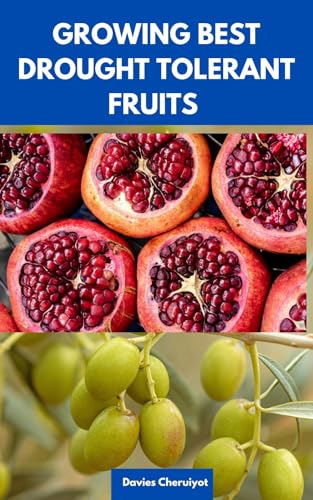
- Pomegranate Trees: Pomegranates excel in arid climates and prefer full sun. They tolerate heat and drought, yielding vibrant, juicy fruits.
- Citrus Trees: Varieties like lemon, lime, and orange adapt well to desert conditions. Ensure they receive ample sunlight and water as young trees to establish robust root systems.
- Date Palms: Date palms thrive in extremely dry conditions and produce nutrient-rich fruits. They may need occasional irrigation during fruit development.
- Dragon Fruit Cactus: This tropical cactus is well-suited for desert gardens. It produces unique fruits and requires minimal water, thriving in poor soil.
- Jujube Trees: Jujubes tolerate high temperatures and low water levels. The small, sweet fruits are nutritious and often enjoyed fresh or dried.
- Mulberry Trees: Mulberries perform well in desert climates. They grow rapidly, yield copious amounts of fruit, and provide shade as they mature.
- Cherimoya Trees: Cherimoyas can adapt to warm climates. They need careful watering during the growing season to produce their creamy, sweet fruits.
Selecting the right fruit trees enables you to nurture a productive garden in harsh environments. Focus on native and drought-tolerant species to ensure success.
Cultivation Tips For Desert Fruit Trees
Growing fruit trees in desert conditions requires specific techniques to ensure their success. Focus on proper watering, soil amendments, and pest management for healthy growth.
Recommended Products
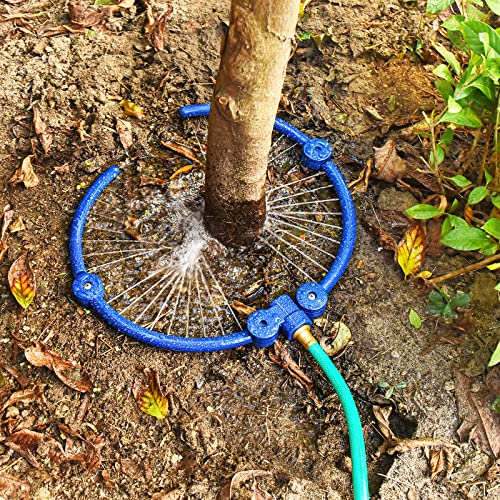
【Specially Designed for Trees and Shrubs】 The Watering Ring is a multi-purpose irrigation ring that attaches to a garden hose to efficiently water young trees shrubs vegetables or flower beds using drip or trickle irrigation.It directs water to the root perimeter of the plant to give them a good start during the first two growing seasons or through periods of drought.

NO MORE HARD INSTALLATION - SET UP IN MINUTES. Tired of struggling with stiff barbed fittings? This drip irrigation system features quick-connect fittings that let you push, lock, and secure tubing effortlessly. No tools, no leaks, just a smooth setup experience. Enjoy a frustration-free installation and get your garden watering system running in minutes.

🍀【Extra-Long 50FT 5/16” Mainline Tubing】 With 50 feet of premium 5/16” main tubing, you have more flexibility to build a central watering path across larger garden layouts. The enhanced flow capacity supports multiple emitters with consistent water pressure throughout your irrigation zones.
Watering Techniques
Watering techniques play a crucial role in cultivating fruit trees in deserts. Aim for deep watering to encourage strong root systems. Follow these tips:
- Water deeply once or twice a week. Ensure trees receive at least 2 to 4 inches of water per week during the growing season.
- Apply water early in the morning or late in the evening. This practice reduces evaporation and allows more moisture to reach the roots.
- Use a drip irrigation system. Drip irrigation delivers water directly to the roots, promoting efficiency and minimizing waste.
- Mulch around the base of the trees. Organic mulch helps retain moisture, reduces temperature fluctuations, and suppresses weed growth.
- Conduct a soil test. Analyzing nutrient levels and pH helps identify specific needs for your trees.
- Add organic matter like compost. Incorporating 2 to 4 inches of compost improves soil structure and water retention, essential for sandy soils.
- Use slow-release fertilizers. Choose fertilizers designed for fruit trees, applying them according to label instructions to avoid nutrient burn.
- Regularly monitor soil moisture. Use a moisture meter to gauge when to water or fertilize, ensuring your trees receive adequate nutrients without overwatering.
Challenges And Solutions
Growing fruit trees in desert conditions presents distinct challenges, but with the right approaches, you can cultivate a thriving garden. Here are some key strategies to address common issues.
Pest Management
Pest management in arid conditions requires vigilance. Common pests like spider mites, aphids, and whiteflies thrive in dry climates.
- Identify Early: Regularly inspect your trees for signs of pests. Look for discoloration or webbing on leaves.
- Encourage Beneficial Insects: Introduce natural predators like ladybugs or lacewings, which help control pest populations.
- Use Organic Sprays: Consider neem oil or insecticidal soap. These solutions are effective and safe for fruit trees.
- Maintain Tree Health: Healthy trees can better resist pests. Provide adequate water and nutrients to bolster tree strength.
Heat Stress Mitigation
Heat stress poses a significant risk in desert settings. Protecting your trees from extreme temperatures is essential for their success.
- Choose Heat-Resistant Varieties: Prioritize heat-tolerant species, such as figs or pomegranates, known for their resilience.
- Implement Shade Cloth: Use shade cloth during peak sun hours to reduce heat exposure and prevent sunburn on sensitive leaves.
- Mulch Effectively: Apply organic mulch around the tree base. This helps maintain soil moisture and regulates soil temperature.
- Water Strategically: Water early in the morning or late in the evening. This timing reduces evaporation and allows trees to absorb more moisture.
By addressing pest management and heat stress effectively, you can enhance your success in growing fruit trees in challenging desert environments.
Conclusion
Creating a thriving fruit garden in the desert is totally achievable with the right choices and care. By selecting drought-tolerant varieties and implementing smart watering techniques you can enjoy a bountiful harvest even in challenging conditions.
Remember to enrich your soil and monitor moisture levels to give your trees the best chance to flourish. With a little patience and dedication you’ll transform your arid space into a fruitful oasis. So go ahead and embrace the adventure of desert gardening—you might be surprised at what you can grow!
Frequently Asked Questions
What are the best fruit trees for arid regions?
Growing fruit trees like figs, pomegranates, citrus, date palms, and jujube trees is ideal in arid regions. These varieties thrive in heat and low moisture conditions, making them suitable for desert climates.
How often should I water fruit trees in the desert?
Water fruit trees deeply once or twice a week. Using a drip irrigation system helps conserve moisture, while applying mulch retains soil dampness and reduces evaporation.
What soil conditions are necessary for growing fruit trees in desert areas?
Desert soils often have high sand content, which can hinder moisture retention. It’s essential to incorporate organic matter and perform soil tests to enhance nutrient levels and structure.
How can I manage pests when growing fruit trees in the desert?
To manage pests effectively, conduct regular inspections, encourage beneficial insects, use organic sprays, and maintain tree health to create a resilient garden environment.
What strategies can help reduce heat stress on desert fruit trees?
Use heat-resistant varieties, apply mulch, use shade cloth, and water during cooler times of the day. These methods help minimize heat stress and promote healthy growth.
